





Heavy Wooden Frame
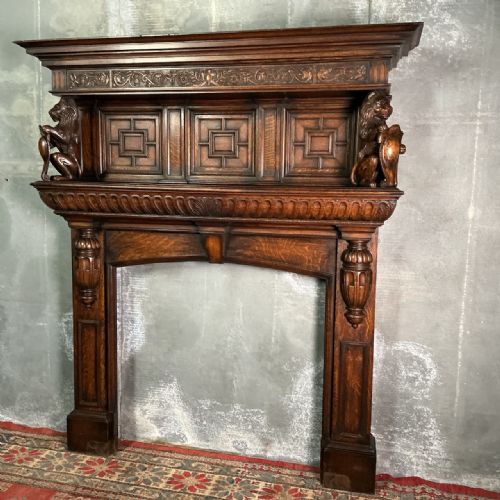
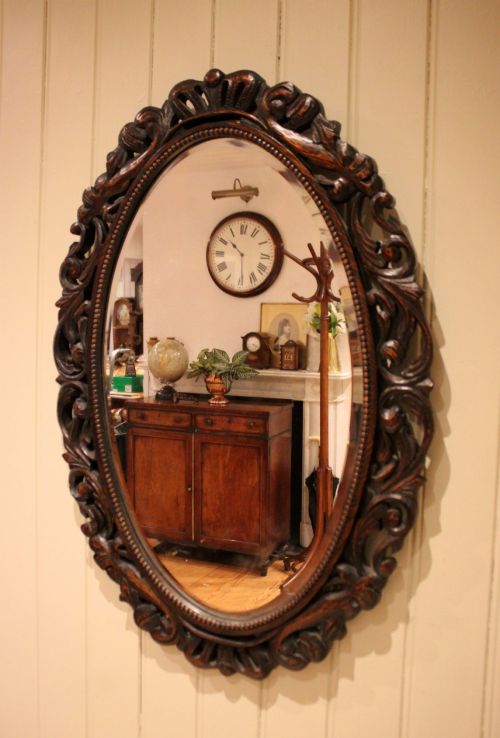
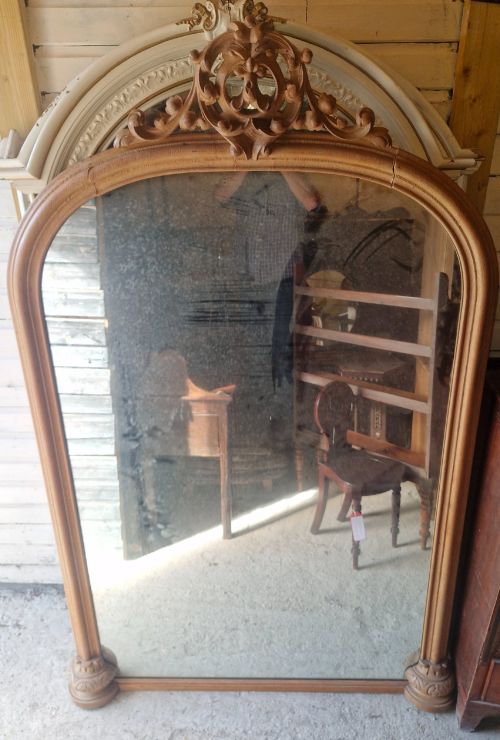
These heavy wooden frame examples offer substance and architectural presence, built to anchor a room.
Heavy Wooden Frame
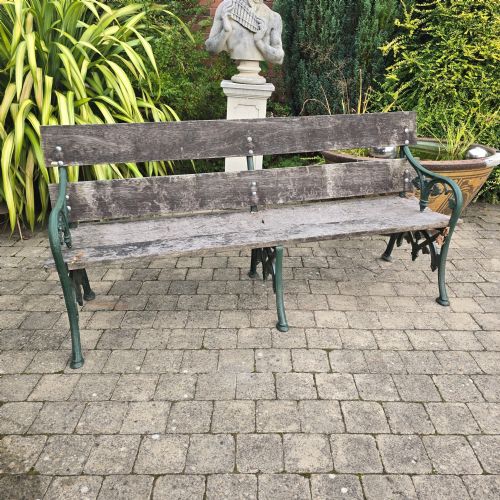
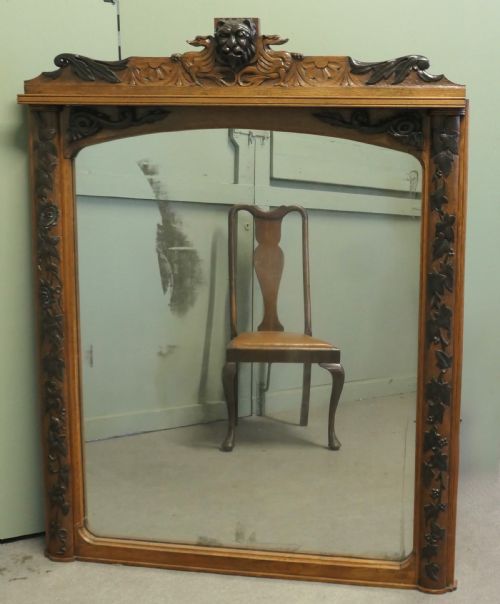
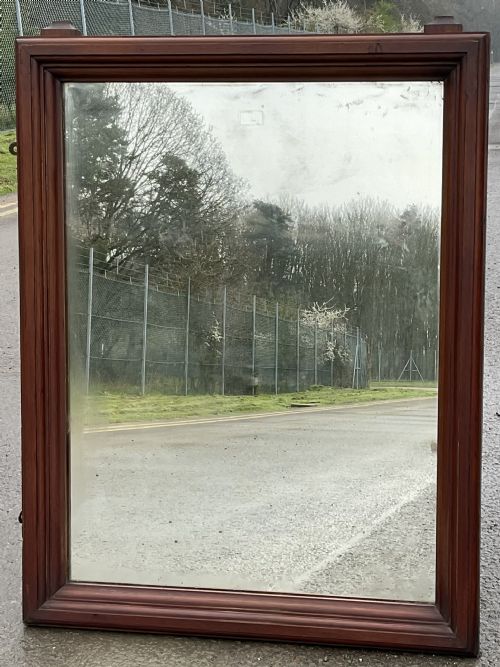
A heavy wooden frame provides substantial structure for wall mirrors, picture frames, garden benches, and beds. When searching for a heavy wooden frame, a buyer encounters pieces originating from the nineteenth century, including specific dates such as 1860, 1880, and 1900.
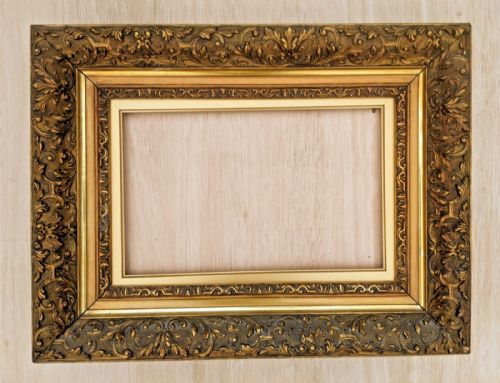
The versions most frequently met on this page are wall mirrors and picture frames constructed from oak and timber. Styles span Victorian, Victorian Gothic, Rococo Revival, and French Art Deco, reflecting the tastes of the nineteenth century.
Beyond mirrors and frames, the selection extends to four poster beds and garden benches that utilise cast iron alongside wood. Each object demonstrates the solid construction typical of nineteenth century manufacture.
How they were made
Makers utilised solid oak and general timber to build the foundational structure of these pieces. Carving and joinery techniques created the architectural profiles seen in Victorian and Gothic revival designs.
Gesso and gold leaf were applied to wooden bases for gilded picture frames and mirrors. Glass and mirror glass were fitted into these heavy surrounds, while cast iron appeared in garden bench construction.
Heavy Wooden Frame Retail Price Guide 2026
Typical asking prices for heavy wooden frame among the pieces listed under this phrase on Sellingantiques today, from the lower quarter to the upper quarter. They describe what is for sale here now, not the wider market.
What varies in quality
Quality depends upon the depth of the carving and the integrity of the timber. Pieces with intricate detailing in oak or well-preserved gesso show superior execution compared to simpler constructions.
The application of gold leaf and the quality of the mirror glass differentiate fine decorative examples from standard utilitarian furnishings. Structural stonemason-like heft in the timber framework indicates higher craftsmanship.
The Heavy Wooden Frame Glossary
- Oak
- A durable hardwood commonly used for nineteenth century frames, mirrors, and beds. It provides the density required for heavy structural forms.
- Gesso
- A plaster-like mixture applied to wood surfaces as a base for painting or gilding. It allows for crisp decorative moulding.
- Gold leaf
- Extremely thin sheets of beaten gold applied to gessoed wooden frames. It creates a rich metallic finish.
- Rococo Revival
- A nineteenth century style characterised by ornate, asymmetrical scrollwork and natural motifs. It appears on decorative picture frames.
- French Art Deco
- A modern style of the early twentieth century featuring geometric lines. Examples include bamboo-framed wall mirrors.
Heavy Wooden Frame: Frequently Asked Questions
What is a heavy wooden frame used for?
These items serve primarily as structural surrounds for wall mirrors and large paintings. They also form the solid perimeters of four poster beds and garden benches.
Their robust construction allows them to support significant weight, whether holding heavy mirror glass or providing sturdy outdoor seating.
How do I identify a Victorian heavy wooden frame?
Victorian pieces often display characteristic styles such as Gothic revivalism or heavy oak carving. Look for nineteenth-century material combinations like timber, gesso, and gold leaf.
The presence of deep relief carving and dense woods points directly to this nineteenth-century period of manufacture.
Where should I place a heavy wooden frame mirror?
Hang these substantial mirrors on a load-bearing wall capable of supporting significant weight. They suit entrance halls, living rooms, or above mantelpieces where they act as a focal point.
Ensure proper hardware is utilised to secure the heavy timber and glass safely to the wall.
How do I clean a gilded wooden frame?
Dust the surface gently with a soft, dry brush to remove particulate matter without disturbing the gold leaf. Avoid liquid cleaners or abrasive cloths that can damage the delicate gesso underneath.
Preserving the original gilded surface maintains the historical integrity of the nineteenth-century finish.