



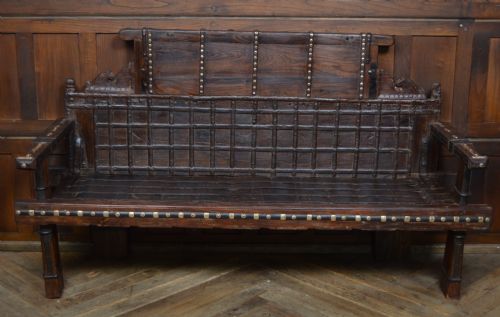

Heavy Wood Benches
Heavy wood benches bring immediate character and a grounded presence to a room, offering robust seating or a working surface built to endure.
Heavy Wood Benches
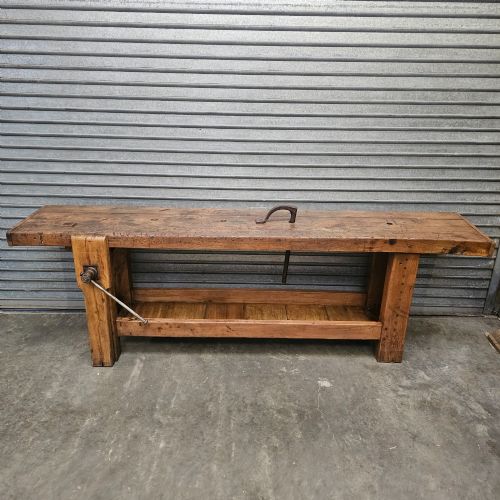
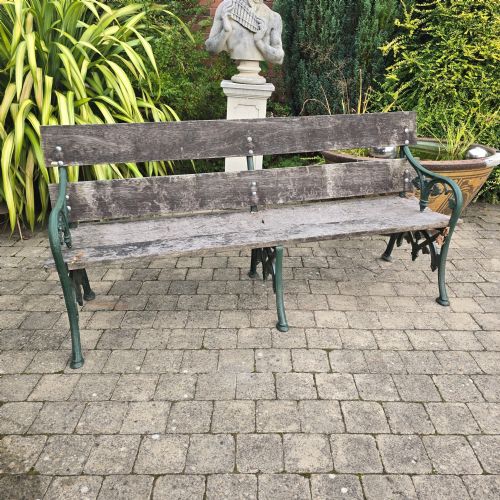
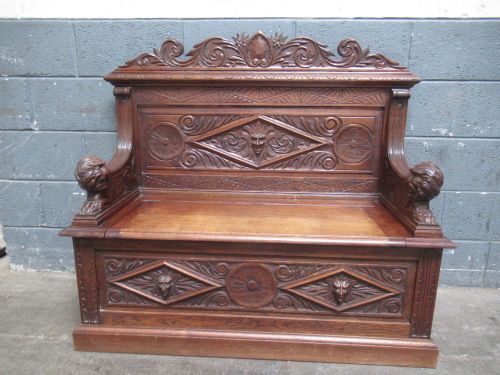
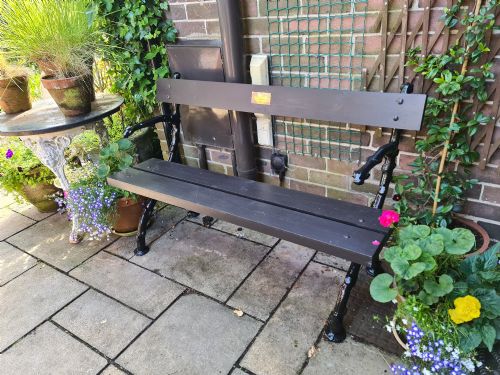
Heavy wood benches encompass functional worktables and substantial seating pieces designed for practical use, drawing interest from buyers seeking solid utility. When you search for heavy wood benches, you encounter functional forms ranging from French artisans' workbenches to Victorian oak bench seats and rustic garden seating.
The pieces listed on this page span the nineteenth century and the early twentieth century, incorporating periods such as the Victorian era, eighteen-eighty, nineteen hundred, and nineteen-twenty. Origins vary across French provincial, Indian vernacular, and Dutch or Flemish traditions, showing both domestic and workshop roots.
Forms include garden benches, hall stands, hallstands, and dedicated workbenches fitted with vises. These items serve varied roles, acting as garden seats, hallway furniture, or substantial preparation tables in domestic and workshop settings.
How they were made
Construction relies heavily on durable hardwoods like oak, beech, and timber, selected for their strength and resilience under heavy loads. Joinery techniques and thick planks give these items their defining weight and structural stability.
Metal components such as cast iron and iron appear frequently, forming structural frames, bench ends, and working vises alongside brass details. These mixed-material builds combine sturdy wooden tops and seats with robust metal supports.
Heavy Wood Benches Retail Price Guide 2026
Typical asking prices for heavy wood benches among the pieces listed under this phrase on Sellingantiques today, from the lower quarter to the upper quarter. They describe what is for sale here now, not the wider market.
Listings feature oak, beech, timber, and hardwood combined with cast iron, iron, and brass across nineteenth-century and early twentieth-century periods.
What varies in quality
Quality rests on the integrity of the materials and the honesty of the construction, where dense hardwoods and original ironwork hold more presence than later replacements. The depth of hand-carved ornamentation on pieces like Victorian hall stands also separates standard utilitarian items from finer decorative examples.
The proportion and scale dictate the visual impact of each piece, with substantial lengths and substantial timbers creating a commanding focal point. Original working mechanisms, such as wooden vises on artisan benches, add tangible authenticity to the construction.
The Heavy Wood Benches Glossary
- Workbench
- A heavy table used by artisans and craftspeople for manual work, typically fitted with a vise and constructed from thick hardwood planks.
- Hall bench
- A sturdy seat placed in an entryway or hallway, often incorporating storage or tall back panels matching hall stand designs.
- Cast iron
- A strong, heavy iron alloy poured into moulds to create decorative bench ends and durable structural frames.
- Vernacular
- Architecture or furniture built by local artisans using traditional methods and regional materials without academic design influence.
- Vise
- A mechanical screw device mounted to a workbench to hold a workpiece securely in place during manual operations.
Heavy Wood Benches: Frequently Asked Questions
Where do heavy wood benches work best?
These robust pieces suit spacious hallways, kitchens, or gardens where their substantial weight and size provide both utility and a strong architectural anchor.
In a workshop or kitchen setting, a heavy timber workbench functions as an expansive preparation surface, while garden variants endure outdoor placement when maintained properly.
How do I care for antique wood benches?
Maintain the timber surfaces by applying appropriate wax or oil periodically to nourish the dry wood and protect against everyday wear.
Keep iron and cast iron components dry to prevent corrosion, and avoid placing antique wooden furniture in areas subject to extreme temperature fluctuations.
What defines a French artisan workbench?
French artisan workbenches feature thick beech or oak tops supported by heavy timber frames, designed specifically to withstand generations of daily manual labour.
They frequently include an integrated wooden vise and deep wells or tool trays running along the top surface.
Are these benches suitable for outdoor use?
Cast iron and timber garden benches from the nineteenth and early twentieth centuries were built specifically for outdoor placement and seasonal weathering.
Indoor furniture pieces, such as hall stands and workshop benches, require indoor environments to protect their historical finishes and dry timber construction.