





Heavy Timber Furniture
Heavy timber furniture brings substantial architectural weight and honest construction into a room, offering enduring utility through solid materials.
Heavy Timber Furniture
Heavy timber furniture encompasses robust items built from substantial woods and metals, designed for rigorous domestic and utility use. When exploring heavy timber furniture, buyers encounter forms ranging from industrial workbenches to garden seating and large storage cupboards.
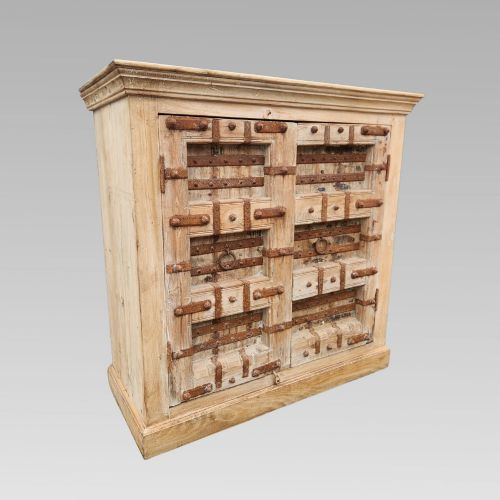
The pieces on this page span the nineteenth century and the Edwardian era, incorporating regional variations such as Anglo-Indian, Colonial, and rustic French country styles. These items typically utilise durable timbers like oak, teak, padouk, and general hardwoods, frequently combined with cast iron and brass hardware.
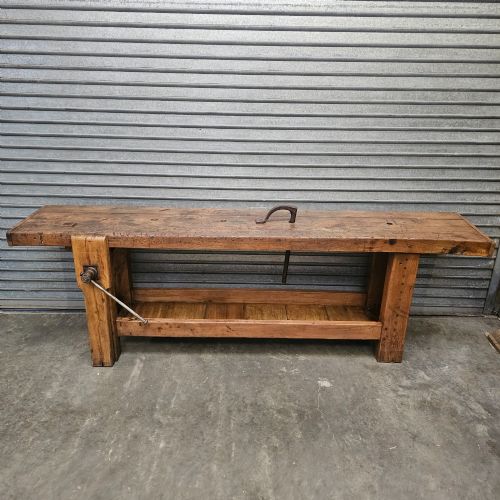
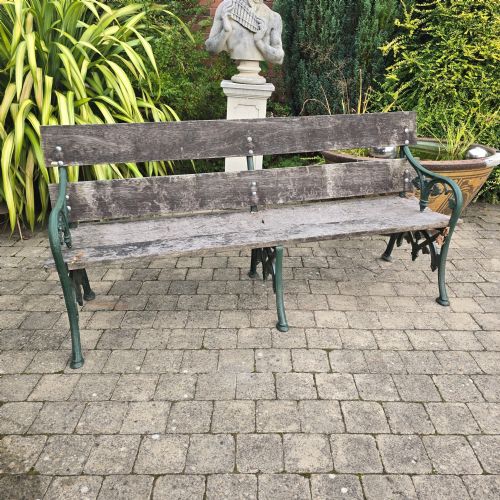
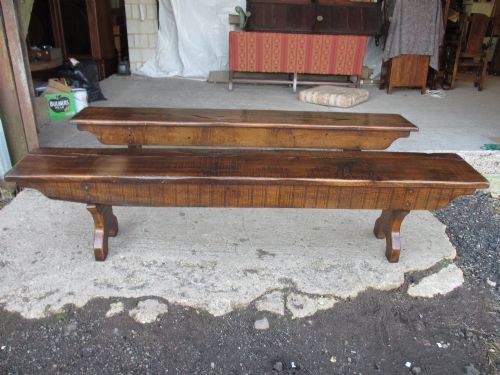
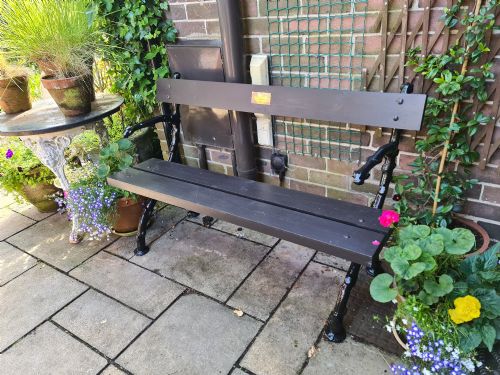
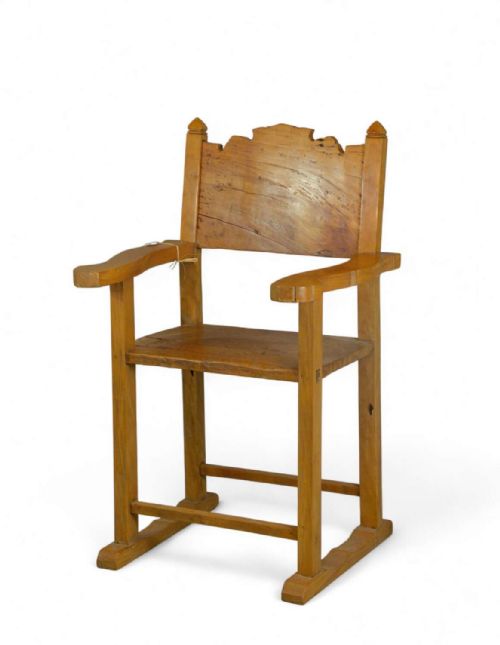
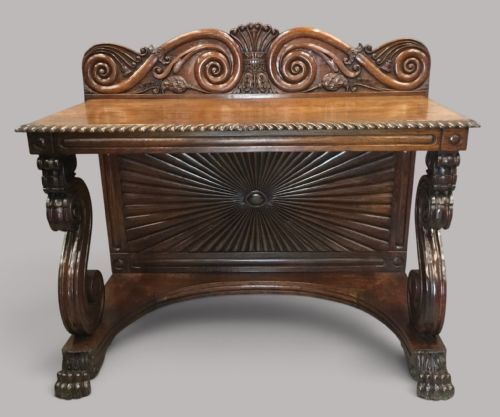
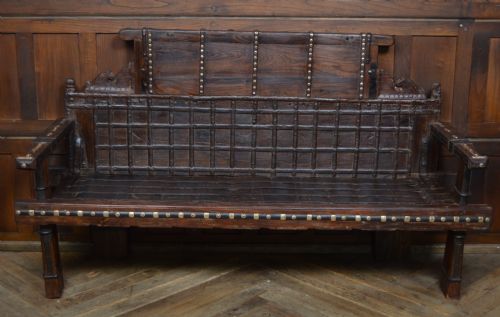
Seating forms include garden benches with trestle ends, giant armchairs from the Philippines, and low benches derived from bullock carts. Working surfaces feature substantial French country house workbenches equipped with vises, alongside console tables and large storage cupboards.
How they were made
Construction relies upon thick sections of oak, teak, padouk, and assorted hardwoods, yielding considerable weight and structural resilience. Workshops utilised these dense woods alongside cast iron and brass to build items capable of enduring heavy manual labour or outdoor exposure.
Carpenters and artisans employed traditional joinery methods suited to utilitarian forms, such as shaped trestle ends on benches and heavy framing on workbenches. Surfaces often display carved detailing on ceremonial armchairs or retain the functional wear of French primitive and country house work benches.
Heavy Timber Furniture Retail Price Guide 2026
Typical asking prices for heavy timber furniture among the pieces listed under this phrase on Sellingantiques today, from the lower quarter to the upper quarter. They describe what is for sale here now, not the wider market.
One listed bench began its life serving as transport on a bullock cart before retiring into the antique trade.
What varies in quality
Quality differentiates through the integrity of the primary timber and the robustness of the structural assembly. Pieces constructed from dense hardwoods like teak or padouk possess inherent longevity compared to lighter secondary woods.
The refinement of execution separates utilitarian workshop items from decorative furnishings, seen in the contrast between a plain primitive work bench and a carved ceremonial armchair or styled console table. Original hardware, such as integrated iron vises or brass fittings, adds distinct functional merit to the construction.
The Heavy Timber Furniture Glossary
- Trestle ends
- Support structures comprising vertical posts fixed to horizontal feet, commonly seen on heavy benches. This design distributes weight evenly across the floor.
- Padouk
- A heavy tropical hardwood known for its dense grain and durability, frequently utilised in Anglo-Indian furniture. It provides exceptional resistance to wear and environmental shifts.
- Workbench
- A sturdy table designed for manual crafts, often equipped with a built-in vise and heavy timber top. These items reflect the practical demands of nineteenth-century workshops.
- Ceremonial armchair
- A large, elaborately carved seat intended for ritual or display rather than everyday lounging. Such chairs often feature significant dimensions and detailed ornamentation.
- Colonial style
- Furniture produced in European settlements overseas, often combining local dense timbers with traditional forms. These pieces frequently merge utilitarian strength with regional decorative motifs.
Heavy Timber Furniture: Frequently Asked Questions
What defines heavy timber furniture?
Heavy timber furniture consists of robust items constructed from thick hardwoods, iron, and brass. These pieces prioritise structural strength and utility.
Examples include workbenches, garden benches, and large storage cupboards dating from the nineteenth and early twentieth centuries.
How do I place a heavy workbench at home?
A substantial workbench requires adequate floor space and a setting that accommodates its industrial scale. These items function effectively as console tables or central kitchen islands.
Their substantial weight demands careful placement to ensure stability on level flooring.
How do I identify nineteenth-century pieces?
Nineteenth-century items display authentic tool marks, dense traditional timbers like oak and teak, and sturdy joinery methods. Regional variations such as French country or Anglo-Indian styles exhibit period-specific construction details.
Examination of the hardware, including cast iron and brass, helps confirm the era of production.
Can outdoor garden benches be used indoors?
Cast iron and heavy wood garden benches from the Edwardian period or earlier transition well into interior settings such as hallways or boot rooms. Their robust construction withstands heavy daily use in high-traffic areas.
Weathered patination from outdoor exposure often enhances the visual character of these pieces inside a home.