



Heavy Silver Tableware
Heavy silver tableware comprises substantial serving spoons, ladles, knife rests, napkin rings, and charger plates built to endure decades of formal dining.
Heavy Silver Tableware
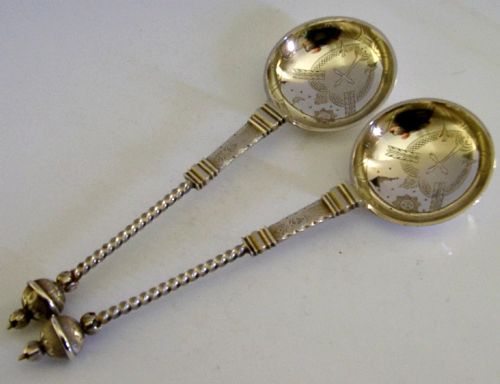
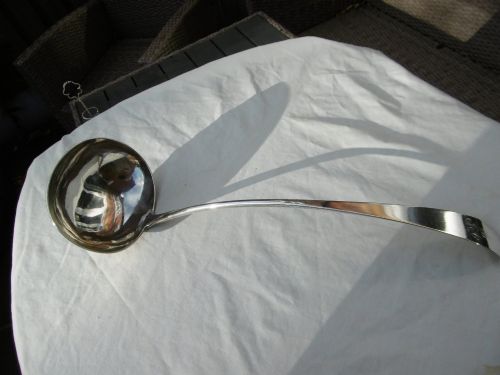
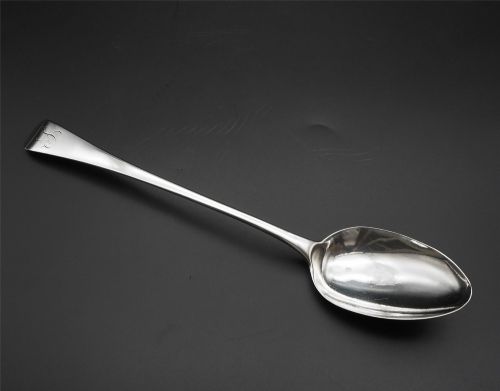
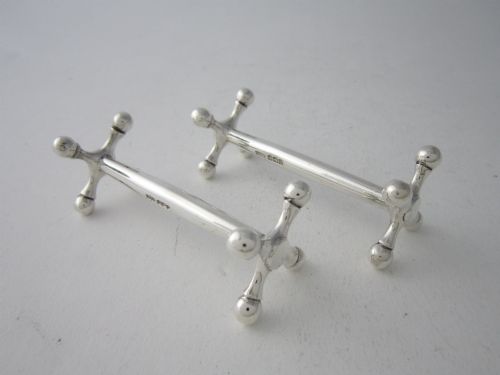
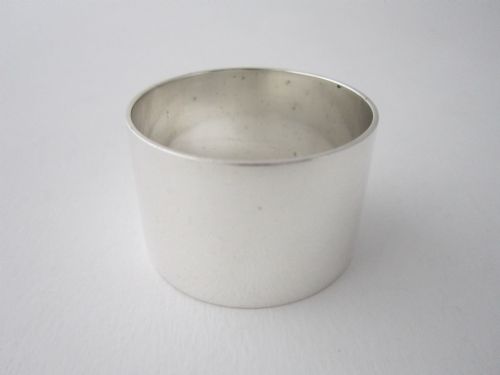
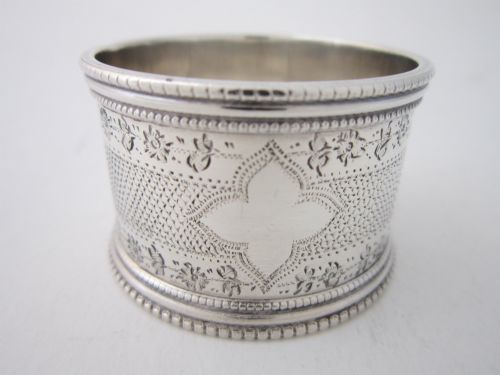
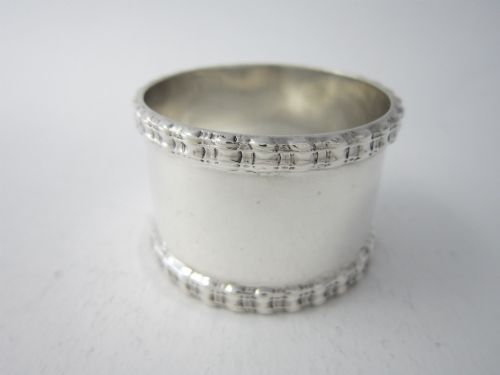
Heavy silver tableware encompasses functional dining implements and table accessories produced in substantial gauges of metal, spanning napkin rings, serving spoons, knife rests, ladles, and charger plates. When searching for heavy silver tableware, buyers encounter functional objects designed to carry physical weight and presence on the dining table.
The pieces appearing here cross several eras, notably the Georgian, Victorian, Edwardian, George V, and George VI periods, alongside Scandinavian Revival and 19th Century Continental examples. Domestic items such as napkin rings and serving spoons represent the forms most frequently met on this page.
Origins stretch from British workshops in Glasgow and London to Scandinavian and Continental makers, reflecting diverse dining traditions. Material descriptions range from sterling silver and solid silver to silver plate and gilt finishes.
How heavy silver tableware was made
Items in this category rely on heavy gauge metals, utilising sterling silver, solid silver, and silver plate to achieve their characteristic heft and structural rigidity. Heavier gauges prevent bending during active use at the dining table, particularly on items subject to leverage such as basting spoons and soup ladles.
Manufacturing methods combine traditional silversmithing techniques with cast decorative elements, as seen in knife rests depicting rampant lions. Surface enrichment incorporates gilt highlights alongside polished silver plates and unmarked solid silver bodies.
Heavy Silver Tableware Retail Price Guide 2026
Typical asking prices for heavy silver tableware among the pieces listed under this phrase on Sellingantiques today, from the lower quarter to the upper quarter. They describe what is for sale here now, not the wider market.
Fierce metal beasts hold up your cutlery, with knife rests proudly depicting rampant lions ready to guard the roast.
What varies in quality in heavy silver tableware
Quality in heavy silver tableware rests upon the thickness of the metal gauge and the integrity of the original construction rather than surface ornamentation alone. Substantial weight in the hand distinguishes superior serving implements and napkin rings from lighter domestic wares.
Execution of detail in cast elements, such as figurative motifs on knife rests or crisp hallmarks on George V and Georgian pieces, separates workshop output. Preserved surface crispness across charger plates and serving spoons indicates careful historical stewardship.
Marius Hammer·Milne and Campbell
The Heavy Silver Tableware Glossary
- Sterling silver
- A silver alloy containing 92.5 percent pure silver and 7.5 percent other metals, usually copper, chosen for durability in tableware. This standard underpins the majority of British silver items.
- Silver plate
- A base metal manufacturing technique where a thin layer of silver is fused onto a core metal such as copper or nickel brass. This method offered an accessible alternative to solid silver.
- Gauge
- The thickness of the metal sheet utilised in forming an object. A heavier gauge indicates a greater physical substance and resistance to distortion.
- Gilt
- A thin application of gold applied to the interior or surface of a silver object. This technique protects the underlying silver from corrosive foodstuffs.
- Hallmark
- An official stamp applied to precious metals indicating the standard of purity, the assay office, and the date of manufacture. These marks provide verifiable historical context for older items.
Heavy Silver Tableware: Frequently Asked Questions
What is heavy silver tableware?
Heavy silver tableware refers to functional dining accessories and serving pieces cast or wrought from thick gauges of silver or silver plate. These items include serving spoons, ladles, knife rests, napkin rings, and charger plates.
The substantial metal weight ensures durability during formal dining and provides a distinct tactile presence on the table. Pieces range from 18th-century Georgian ladles to 20th-century napkin rings.
How do I date heavy silver tableware?
Dating relies primarily on official hallmarks stamped into sterling silver pieces, which record the assay office, standard, and specific year of production. Stylistic indicators, such as the decorative conventions of the Georgian, Victorian, and Edwardian eras, further help place unhallmarked items.
Design shifts, from plain Georgian serving spoons to Scandinavian Revival forms, align with the changing tastes of their respective decades. Comparing manufacturing techniques provides additional context when marks are worn or absent.
How do I care for silver tableware?
Silver tableware requires gentle cleaning with specialised silver polishes and soft cloths to remove tarnish without abrading the underlying metal. Regular, careful washing in warm soapy water prevents the buildup of residues from food and oils.
Storing pieces in tarnish-resistant cloths or specialised dry environments protects the surface finish between uses. Avoiding abrasive pads preserves the original gauge and crispness of any cast decoration.
Can I use antique silver daily?
Many items, such as solid silver napkin rings, serving spoons, and knife rests, were constructed for active dining use and remain entirely functional. Their heavy metal gauges provide the structural strength needed for regular handling at the table.
Careful hand washing and sensible handling ensure these pieces withstand modern use without sustaining damage. Silver-plated charger plates similarly serve as robust bases for formal table settings.