




Heavy Oak Dresser
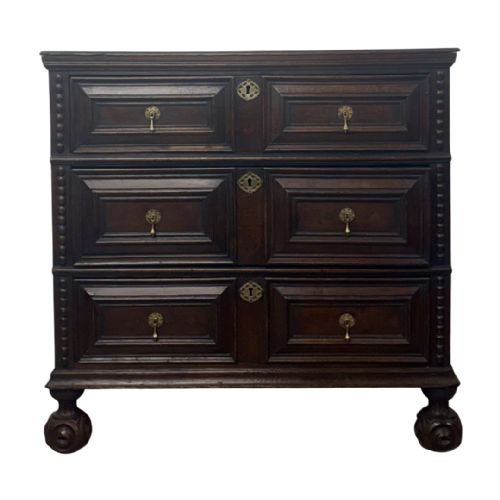
A heavy oak dresser grounds a room with its substantial presence, offering robust storage built from durable timber.
Heavy Oak Dresser
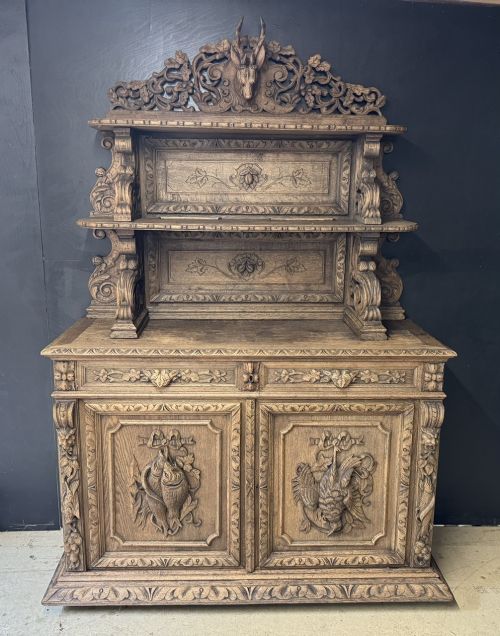
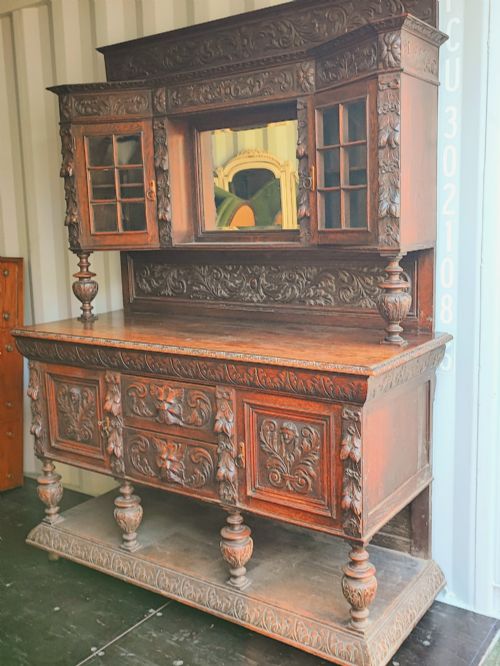
Practical utility matches decorative ambition in these pieces, which frequently combine lower cupboards or drawer banks with upper shelving or mirror backs. The heavy oak construction ensures these items remain functional centerpieces for dining rooms, halls, and libraries.
Materials and construction methods
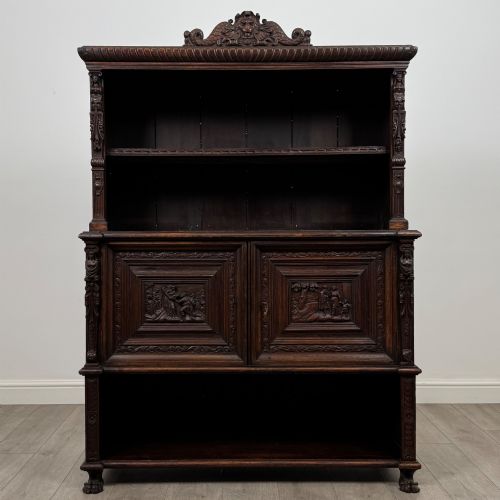
Makers utilised solid oak as the primary timber, sometimes complemented by decorative fruitwood or snakewood accents. This dense wood provided the necessary structural integrity for large sideboards, bookcases, and monumental library cabinets.
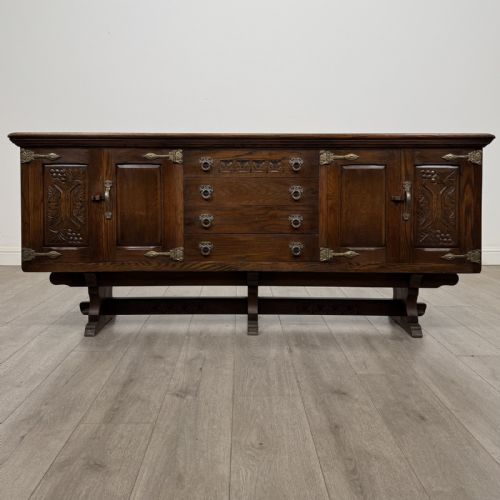
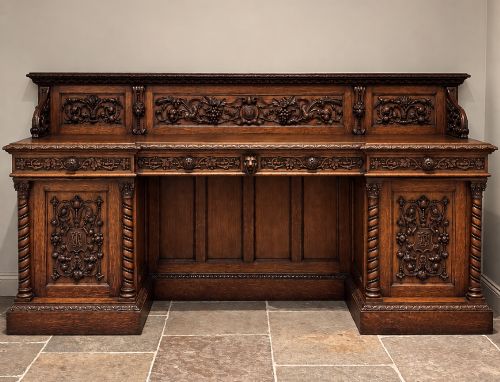
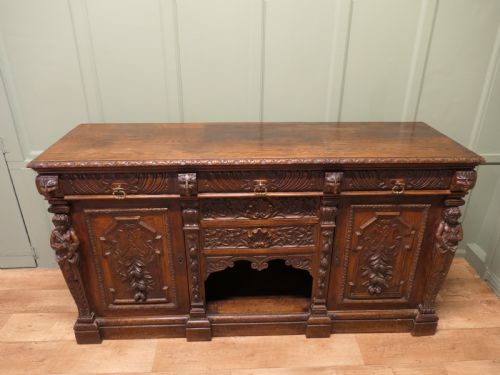
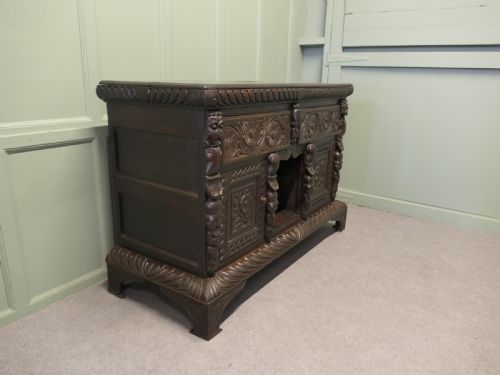
Craftsmen applied intricate hand carving to panels, drawers, and stretcher bases, frequently depicting figurative motifs such as Green Man faces and complex scrollwork. Metal elements such as brass handles and iron hardware secured doors and drawers while adding functional contrast to the dark timber.
Heavy Oak Dresser Retail Price Guide 2026
Typical asking prices for heavy oak dresser among the pieces listed under this phrase on Sellingantiques today, from the lower quarter to the upper quarter. They describe what is for sale here now, not the wider market.
Listings feature periods spanning the 17th Century to 1930, utilising oak alongside brass, glass, iron, and snakewood.
Determining quality and craftsmanship
Depth and crispness of the carving distinguish finer examples from simpler production pieces. Skilled carvers created high relief scenes with distinct contours that retain their definition across doors and panels.
The selection of timber grain and the integrity of the original construction dictate the overall stature of the item. Heavy proportions demand robust joinery, such as pegged mortise and tenon joints, to support substantial weight over centuries.
The Heavy Oak Dresser Glossary
- Green Man
- A sculptural architectural ornament depicting a human face disgorged from foliage. This motif appears frequently on nineteenth century carved woodwork.
- Stretcher base
- A horizontal beam connecting the legs of a table or cabinet to provide structural stability. These components often feature decorative turnings or mouldings.
- Renaissance Revival
- A nineteenth century design movement drawing inspiration from sixteenth century classical architecture. Pieces in this style display symmetry, heavy cornices, and sculptural reliefs.
- Court cupboard
- A formal type of enclosed sideboard or cabinet used historically for displaying plate. Examples typically feature heavy carved supports and multi-tier construction.
- Bevelled glass
- Mirror or window glass with edges cut and polished to an angled facade. This technique adds depth and reflects light within cabinet doors.
Heavy Oak Dresser: Frequently Asked Questions
What periods do these dressers date from?
The pieces span multiple eras, with significant representation from the seventeenth, nineteenth, and early twentieth centuries.
Revival styles from the Victorian period frequently emulate earlier seventeenth century Jacobean and Renaissance aesthetics.
How were heavy oak cabinets used historically?
These robust pieces served primarily for storing and displaying domestic provisions, plate, and valuable household goods.
Large sideboards and buffet cabinets functioned as central furniture items in dining rooms and grand halls for serving food.
What woods besides oak appear in these listings?
While oak forms the primary structural timber, craftsmen occasionally incorporated fruitwood and snakewood for decorative contrasting details.
Metal components such as brass handles and iron fixtures also supplement the wooden construction.
How do I identify a Renaissance Revival piece?
Renaissance Revival items incorporate classical architectural elements, heavy mouldings, and intricate sculptural carvings inspired by earlier European design.
These cabinets often feature symmetrical layouts and prominent cornices that reflect sixteenth century ideals.