



Heavy Metal Stand
A heavy metal stand anchors a room through sheer weight and substance, offering utility in brass, cast iron, and bronze.
Heavy Metal Stand
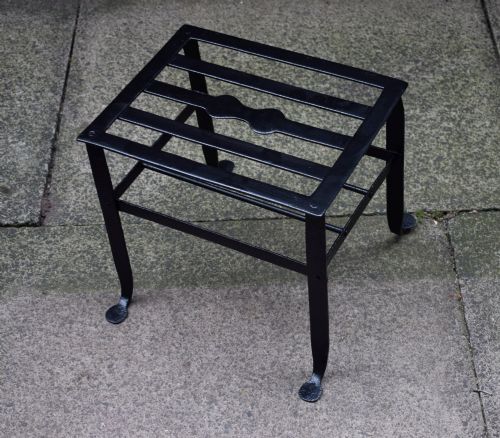
A heavy metal stand covers utilitarian and decorative items designed to bear weight or hold objects firmly in place. When you search for a heavy metal stand, you encounter domestic items built from durable metals intended to last through generations of daily use.
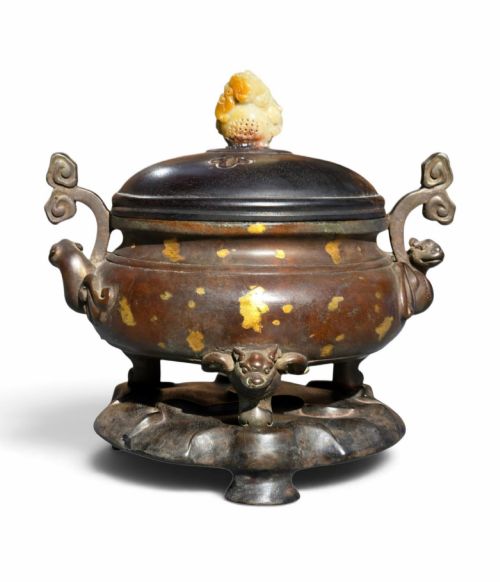
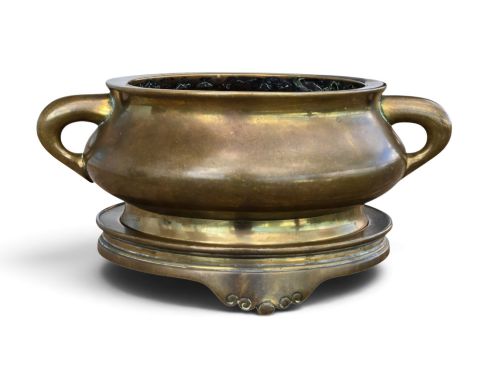
The most common examples on this page include cast iron umbrella stands, heavy brass standard lamps, and bronze incense burners with matching stands. These pieces range from Victorian hallway accessories to 18th-century ritual objects.
Function dictates form across these objects, whether they support burning incense, hold wet walking sticks, or elevate hearth equipment. Domestic needs from the 18th, 19th, and early 20th centuries generated these robust metal forms.
Materials and construction
Foundry work dominates the production of these items, utilising heavy cast iron, solid brass, and bronze. Molten metal poured into moulds allowed makers to achieve thick sections, substantial overall weight, and crisp structural rigidity.
Finishing techniques varied by period and purpose, ranging from simple patination on utilitarian boot scrapers to gilt-splash decoration on ritual censers. Artisans relied on mechanical joining or solid single-pour castings to ensure stability under heavy loads.
Heavy Metal Stand Retail Price Guide 2026
Typical asking prices for heavy metal stand among the pieces listed under this phrase on Sellingantiques today, from the lower quarter to the upper quarter. They describe what is for sale here now, not the wider market.
Some umbrella stands feature twenty-four distinct rings, ensuring even the largest household maintained absolute order over walking sticks.
Judging quality in metalwork
Mass and thickness separate utilitarian items from exceptional pieces, as seen in the heavy kilogram weights of ritual bronzes and substantial brass standard lamps. Superior examples display clean casting lines without excessive surface pitting or structural weakness.
Detail in ornamentation distinguishes standard production from finer workshop output, particularly in decorative cast iron tables and ornate brass candlesticks. The crispness of relief work and the integrity of the original metal surface define the higher tiers.
The Heavy Metal Stand Glossary
- Censer
- A vessel used for burning incense, often accompanied by a matching stand in Asian decorative arts. These containers frequently utilise heavy bronze construction.
- Boot scraper
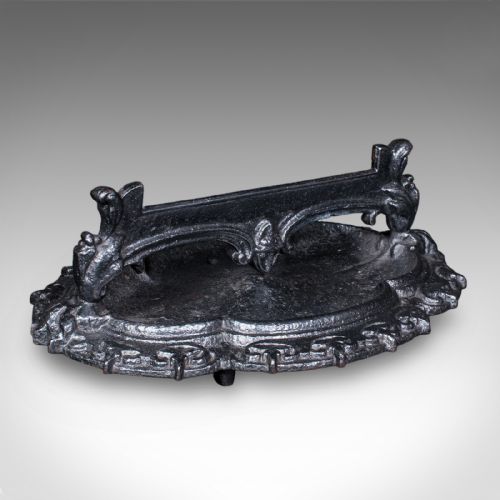
- An outdoor entrance device designed to clean mud from footwear, usually anchored in heavy cast iron. These practical fixtures stood outside doorways.
- Standard lamp
- A tall floor lamp designed to remain stable through a weighted base or heavy metal construction. These lighting fixtures emerged strongly in the early 20th century.
- Fire dogs
- Andirons used to support logs in an open hearth, typically cast in heavy pairs from brass or iron. They combined domestic utility with decorative front standards.
- Archaistic
- A stylistic term describing later objects that deliberately emulate the forms and decoration of ancient ritual bronzes. This approach appears frequently in Qing Dynasty metalwork.
Heavy Metal Stand: Frequently Asked Questions
What is a heavy metal stand?
A heavy metal stand refers to robust domestic and ritual objects made from brass, cast iron, or bronze designed for stability and support. These items include umbrella stands, lamp bases, and vessel supports.
Such pieces rely on their substantial weight to perform utilitarian tasks safely in busy household environments.
How do I clean a heavy metal stand?
Cleaning depends entirely on the metal type and the presence of historic patination, which collectors often prefer to leave undisturbed. Dusting with a dry cloth generally suffices for stable bronze and cast iron.
Harsh commercial polishes should be avoided on older brass and bronze to protect the underlying metal surface and finish.
Are cast iron stands stable outdoors?
Cast iron stands, such as boot scrapers and umbrella holders, were frequently engineered to withstand external elements and heavy daily use. Their inherent weight prevents tipping in entryways or gardens.
Exposure to moisture can cause surface oxidation, requiring careful placement or periodic maintenance to preserve the metal.
How do I date a brass stand?
Dating relies on manufacturing marks, fastening techniques, and stylistic traits associated with periods like the Victorian era or the early 20th century. Sand-casting marks and hand-finished details often indicate older production.
Comparing the weight and decorative motifs to documented examples helps establish the correct period of manufacture.