



Heavy Metal Animal
These heavy metal animal pieces are robust figures cast in iron, brass, and bronze, offering both domestic utility and sculptural presence.
Heavy Metal Animal
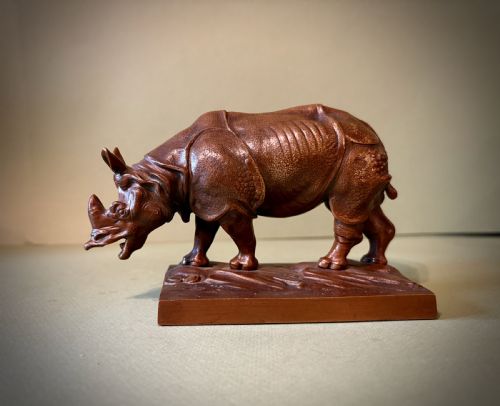
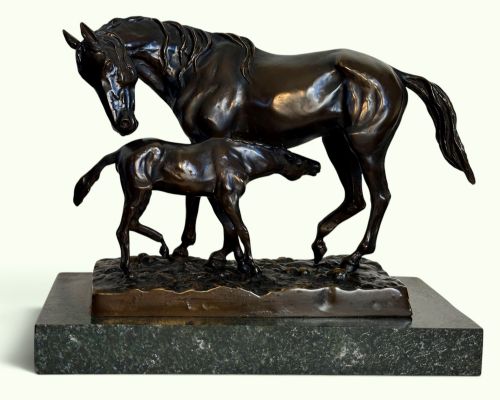
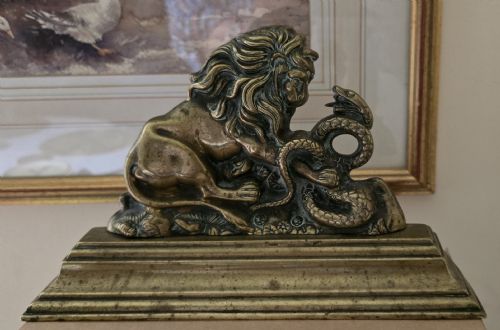
You are most likely to meet Victorian and early twentieth century examples on this page. The forms frequently depict dogs, lions, horses, and bears rendered in styles such as Animalier and Art Deco.
How they were made
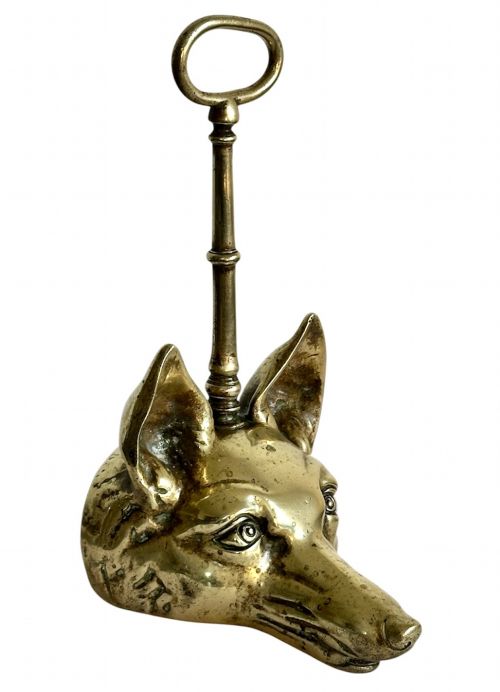
The primary construction relies on casting techniques using metals such as bronze, iron, and brass. Molten metal is poured into moulds to create heavy, solid forms capable of functioning as doorstops or stable desk ornaments.
Many items receive additional surface treatment through cold painting, patinated finishes, or simple black paint. These finishes accentuate anatomical details and protect the underlying metal from wear.
Heavy Metal Animal Retail Price Guide 2026
Typical asking prices for heavy metal animal among the pieces listed under this phrase on Sellingantiques today, from the lower quarter to the upper quarter. They describe what is for sale here now, not the wider market.
Listings feature items spanning the Victorian era through the mid twentieth century, utilising bronze, cast iron, and brass.
What varies in quality
The sophistication of the surface patina or cold painted finish also differentiates standard production pieces from finer sculptural works. Weight and the integrity of the original base materials further distinguish the range.
C Omin·Franze Bergman
The Heavy Metal Animal Glossary
- Animalier
- A nineteenth century artistic movement focused on the realistic depiction of animals. Sculptures in this style capture creatures in dynamic or natural poses.
- Cold Painted Bronze
- A technique where bronze sculptures are painted with cold enamel colours rather than fired in a kiln. This method allows for vivid multi-coloured finishes on small figures.
- Door Porter
- A heavy portable weight designed to hold interior doors open, often featuring an upright handle. These pieces combine utilitarian cast iron or brass with figurative design.
- Patinated Metal
- A surface colour or sheen produced by chemical oxidation or age. This treatment adds depth and protects the metal beneath.
- Vienna Bronze
- Small, highly detailed bronze figures produced in Austrian workshops during the late nineteenth and early twentieth centuries. They are frequently associated with cold painted polychrome surfaces.
Heavy Metal Animal: Frequently Asked Questions
What are heavy metal animal doorstops?
Heavy metal animal doorstops are functional household items cast from iron, brass, or bronze into the shapes of dogs, lions, and horses. Their substantial weight keeps interior doors securely positioned.
These utilitarian objects doubled as decorative ornaments in nineteenth and early twentieth century homes, combining everyday utility with sculptural appeal.
How do I care for bronze animal sculptures?
Care for cast bronze animal figures involves gentle dusting with a soft cloth to prevent dirt accumulation. Avoid harsh chemical cleaners that can strip the original patina or painted finish.
Maintaining a stable indoor environment away from excessive moisture preserves the integrity of the metal and any applied surface treatments.
What is the difference between cold painted and patinated bronzes?
Cold painted bronzes feature enamel colours applied to the metal surface after casting without high-temperature firing. This technique creates vibrant, detailed animal depictions.
Patinated bronzes rely on chemical treatments to develop subtle brown, green, or dark tones that highlight the natural texture of the metal.
How can I date an iron animal doorstop?
Dating cast iron animal pieces involves examining the casting seams, weight, and wear patterns on the base. Victorian examples often display robust construction and specific fastener types.
Stylistic cues such as Art Deco contours or Victorian Animalier realism also help place the piece within the nineteenth or twentieth century.