




Heavy Iron Dog
These heavy iron dog pieces are robust hearth supports and functional companions that bring substantial weight and character to any open fireplace.
Heavy Iron Dog
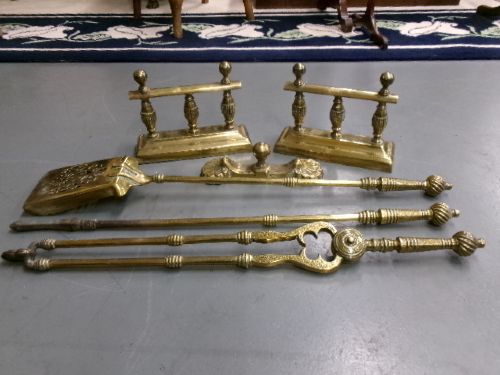
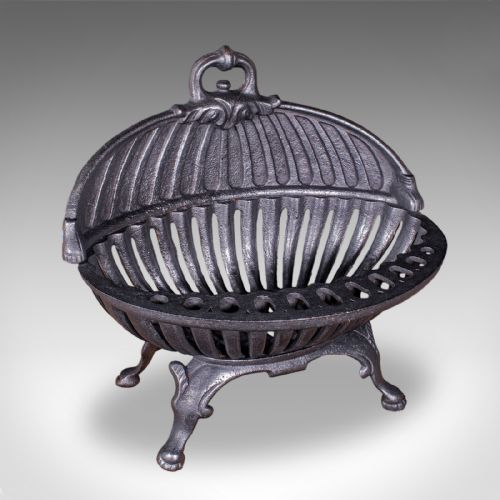
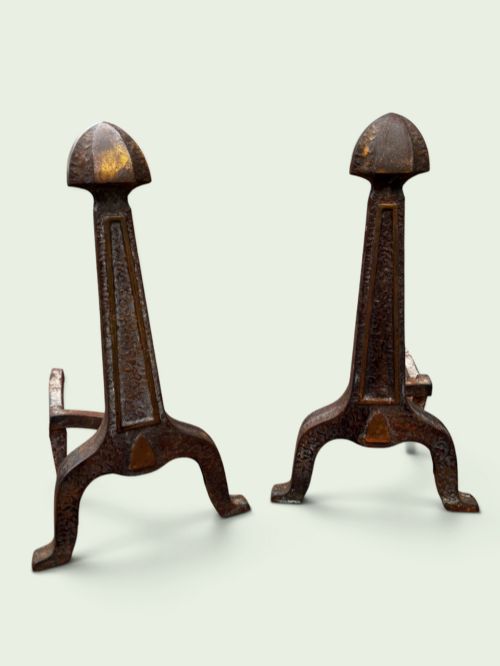
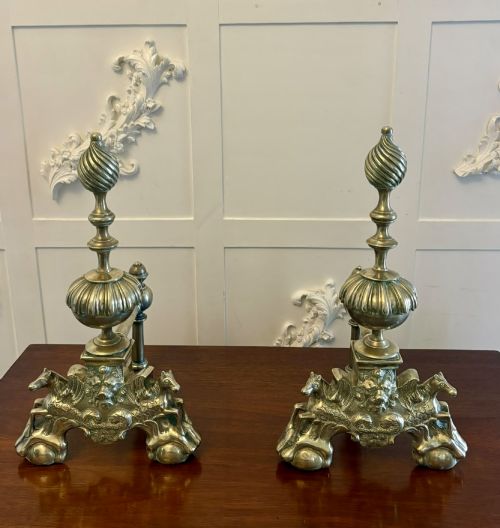
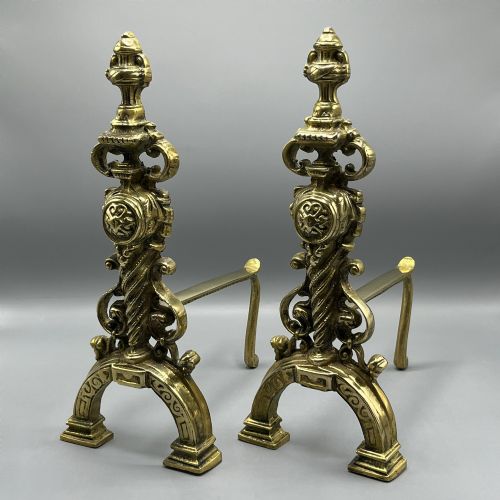
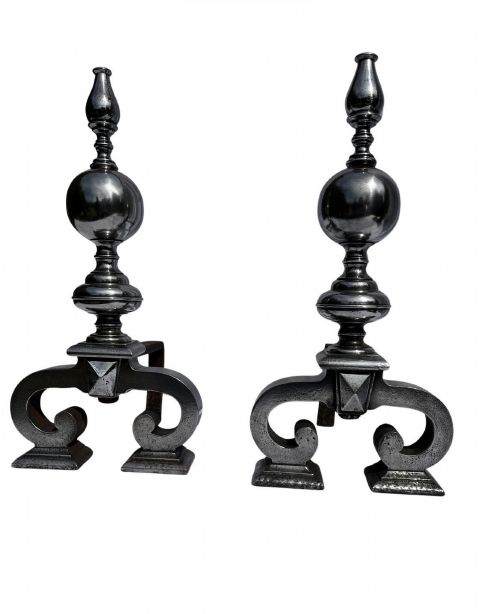
When you search for a heavy iron dog, you encounter sturdy hearth implements designed to support logs within an open fireplace. The selection spans the nineteenth century up through the nineteen-twenties, appearing in forms such as individual fire dogs, paired andirons, and companion fire baskets.
You are most likely to meet substantial cast iron and wrought iron versions originating from Victorian and Edwardian periods. These pieces frequently accompany fire grates or serve structural roles in large inglenook hearth settings.
How they were made
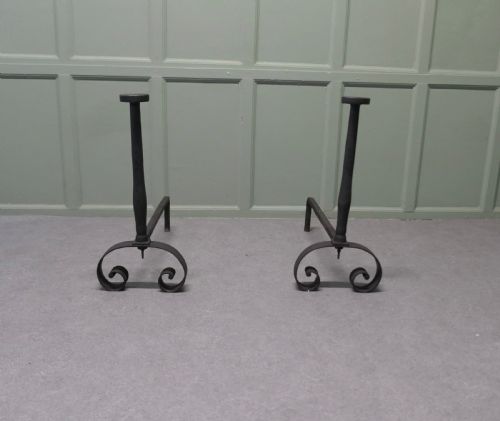
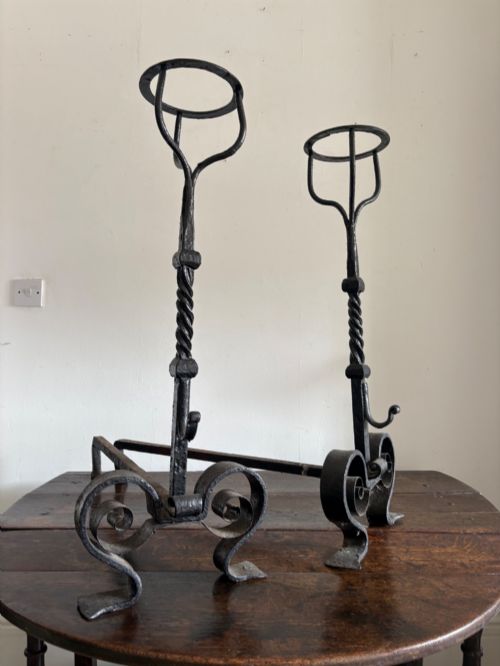
Makers utilised durable casting and forging techniques to shape raw metal into resilient hearth furniture. Molten metal poured into moulds produced solid cast iron forms, while heated bars yielded strong wrought iron components.
Materials span heavy cast iron, polished iron, and wrought iron, occasionally paired with brass elements or steel for stability. These metals withstand high hearth temperatures while maintaining structural integrity over decades of daily use.
Heavy Iron Dog Retail Price Guide 2026
Typical asking prices for heavy iron dog among the pieces listed under this phrase on Sellingantiques today, from the lower quarter to the upper quarter. They describe what is for sale here now, not the wider market.
Some heavy iron dogs take the literal form of faithful hounds guarding the hearth.
What varies in quality
The standard of a heavy iron dog depends on the purity of the metal casting and the precision of the forged joints. Superior examples display crisp definition in ornate details without pitting or structural weakness in the main shafts.
Proportion and sheer weight dictate the higher end of the range, where massive pairs demonstrate balanced symmetry and substantial load-bearing capacity. Lesser items show simpler fabrication or uneven surface finishing from hurried production.
The Heavy Iron Dog Glossary
- Andiron
- A metal support placed in a fireplace to hold logs above the hearth for better airflow. These items often feature decorative fronts paired with horizontal bars extending backward.
- Cast Iron
- An iron-carbon alloy poured into moulds to create solid, highly durable objects. This material provides the substantial weight characteristic of traditional hearth furniture.
- Wrought Iron
- Iron beaten and worked into shape by hand using a hammer and anvil. This technique produces tough, fibrous metal capable of supporting heavy loads.
- Fire Basket
- A metal container holding fuel within an open hearth, frequently combined with andirons. These units keep logs contained while radiating heat into the room.
- Gothic Revival
- An architectural and decorative style drawing inspiration from medieval forms. Pieces in this category utilise pointed arches and medieval motifs.
Heavy Iron Dog: Frequently Asked Questions
What is a heavy iron dog used for?
These pieces function primarily as fire dogs or andirons to support logs within an open fireplace. Raising the wood allows air to circulate underneath for a cleaner burn.
They also serve a decorative role, anchoring the visual weight of a traditional hearth arrangement.
How do I tell Victorian pieces apart?
Victorian examples often display heavier ornamentation, including Gothic revival motifs and robust cast iron construction. Makers during this era favoured substantial proportions and ornate surface detailing.
Later Edwardian items occasionally adopt simpler lines or lighter proportions while retaining traditional forms.
Can these be used in modern fireplaces?
Many of these items fit standard open hearths, provided the dimensions match the depth and width of the fireplace floor. Measuring the space carefully ensures proper clearance for the feet and shafts.
They require an active open chimney to function safely with burning wood.
What maintenance do iron hearth pieces need?
Iron requires dry storage and occasional application of protective grates polish to prevent rust accumulation. Keeping the metal clean from ash residue preserves the surface finish.
Regular inspection ensures the structural joints remain stable under high heat.