

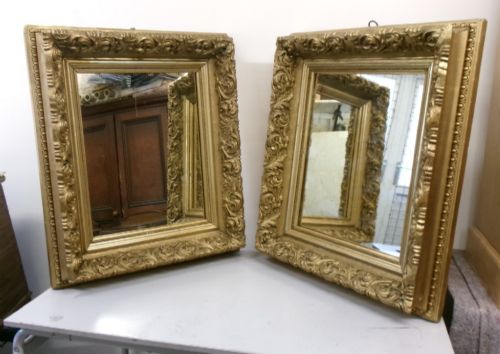
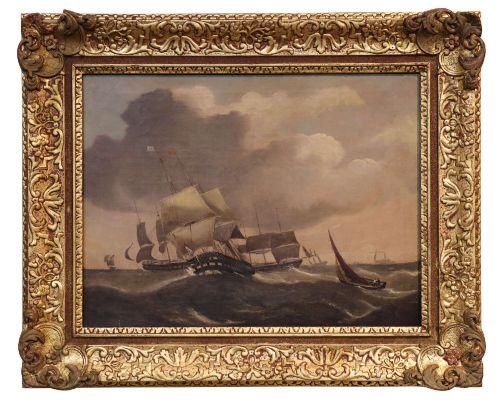

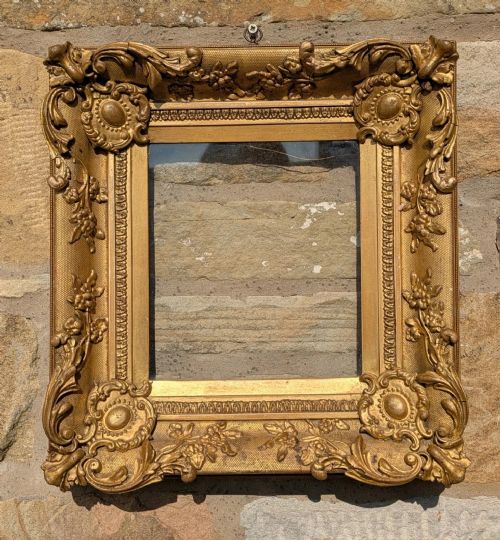





Heavy Giltwood Frame
A heavy giltwood frame commands any room with deep moulding and reflective brilliance, bringing centuries of skilled craftsmanship directly to your wall.
Heavy Giltwood Frame
A heavy giltwood frame provides substantial architectural presence, typically housing either large wall mirrors or significant oil paintings from the nineteenth century. These pieces are designed to anchor a room, offering deep profiles and ornate detailing that catch the light from every angle.
The selections available here range from Victorian pier glass mirrors and overmantle wall mirrors to deep picture frames built for landscape canvases. Most examples date from the nineteenth century, including Victorian Rococo Revival and Baroque Revival styles, alongside earlier seventeenth-century wall mirrors.
Buyers will encounter both mirrors and picture frames, frequently featuring generous proportions and heavy timber construction beneath the gilded surface. The forms vary from intimate landscape surrounds to massive overmantle mirrors intended for principal reception rooms.
Construction and materials
These pieces are built using timber carcasses finished with layered gesso and composition ornamentation, which provides the foundation for the metallic leaf. Artisans sculpted intricate relief patterns using composition moulding applied over carved wooden substrates before applying the surface finish.
The application of gold leaf and gold paint gives these frames their characteristic warmth, sometimes complemented by sand-finished gesso details to create textural contrast. Many frames also incorporate original glass plates, occasionally retaining oil paintings on canvas within the rebate.
Heavy Giltwood Frame Retail Price Guide 2026
Typical asking prices for heavy giltwood frame among the pieces listed under this phrase on Sellingantiques today, from the lower quarter to the upper quarter. They describe what is for sale here now, not the wider market.
Listings feature 19th-century Victorian works alongside 1700 pieces, utilising gesso, oil paint, canvas and sand finish.
Assessing quality and depth
Quality rests in the crispness of the gesso and composition moulding, where hand-carved elements and sharp relief distinguish finer examples from simpler production. The depth of the rebate and the substantial weight of the timber frame also indicate a superior construction standard.
The integrity of the original gilding and the preservation of the surface patination play a major role in the overall character of the piece. Deep mouldings and complex Revival styling demonstrate the ambition of the original workshop.
The Heavy Giltwood Frame Glossary
- Giltwood
- Wood that has been coated with gold leaf or gold paint. This finish provides a bright, reflective surface that ages with a warm patina.
- Gesso
- A plaster-like mixture applied to wood frames to create a smooth surface for gilding or to build up low-relief ornamentation. It allows carvers to achieve fine detail.
- Composition
- A moulded mixture of whiting, linseed oil, resin and glue used to create decorative ornaments on frames. It is pressed into moulds and applied to the wooden base before gilding.
- Pier glass
- A tall mirror designed to be hung on the pier, the section of wall between two windows. These tall glasses amplify natural light within a room.
- Overmantle
- A large mirror or painting designed specifically to hang above a fireplace mantelpiece. They often feature horizontal proportions suited to the width of the hearth.
Heavy Giltwood Frame: Frequently Asked Questions
How do I hang a heavy giltwood frame safely?
These substantial pieces require robust fixings attached directly into wall studs or masonry using heavy-duty brackets. Professional installation is strongly recommended due to the combined weight of the timber, gesso and glass.
Ensure the hanging wire or mirror plates on the reverse are rated to support the exact weight of the frame. Distributing the load across two points provides greater stability than a single centre hook.
What is the difference between gesso and carved wood?
Carved wood involves shaping the timber substrate directly with chisels and gouges to form the decorative profile. It represents a higher level of artisanal labour.
Gesso is a fluid mixture applied over the timber, while composition ornaments are moulded separately and stuck down. Most nineteenth-century frames combine a wooden core with gesso and composition details for intricate decoration.
What periods do these frames represent?
The selection spans several centuries, with a strong concentration of nineteenth-century Victorian pieces. You will find styles ranging from Baroque Revival and Rococo Revival to earlier seventeenth-century forms.
Each period brought distinct moulding profiles and decorative motifs, allowing buyers to match frames to specific interior eras or architectural styles.