







Heavy Gilt Frames
Heavy gilt frames bring visual weight and bright metallic presence to interiors, housing mirrors, oil paintings and photographs from the Victorian era back to the seventeenth century.
Heavy Gilt Frames
Heavy gilt frames combine substantial wooden cores with decorative surface treatments, serving as protective and ornamental borders for oil paintings, wall mirrors and photographs. Buyers searching for heavy gilt frames encounter substantial Victorian examples alongside eighteenth-century items and mid-century works.
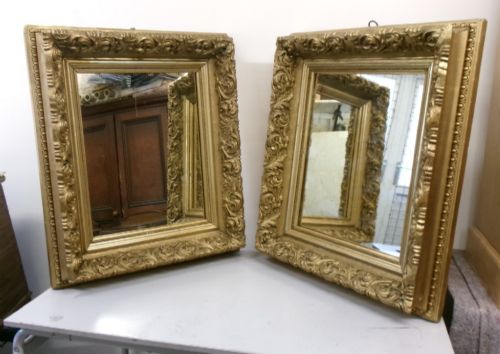
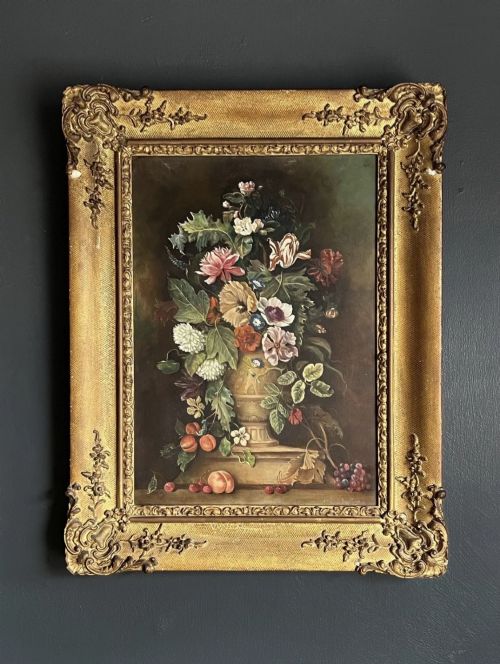
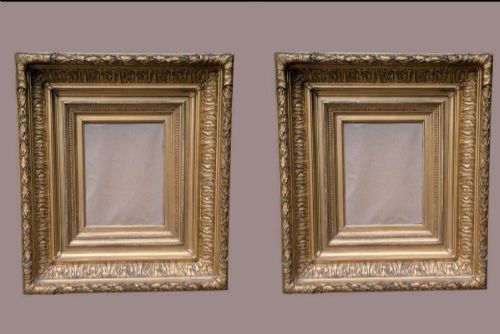
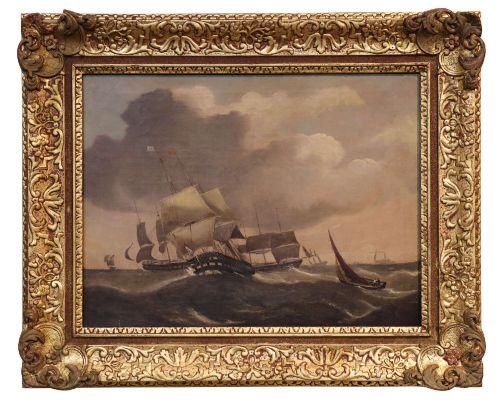
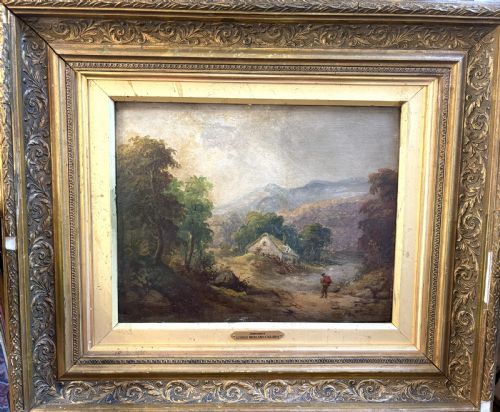
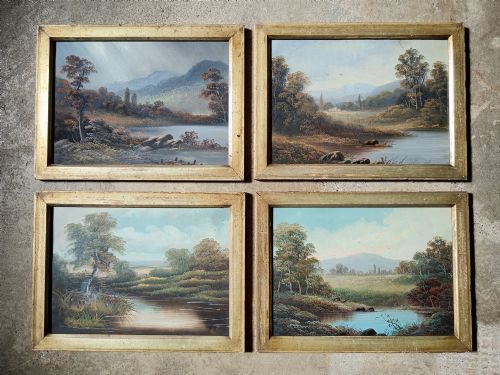
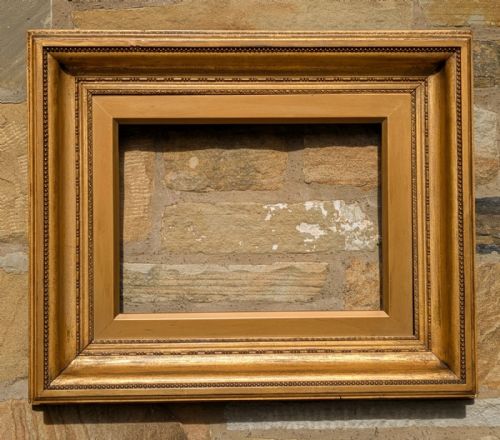
The objects on this page span several centuries of production, featuring Victorian rococo revival pier glasses, deep picture frames with linen slips, and large overmantle wall mirrors. Many items arrive complete with their original artwork, such as nineteenth-century oil paintings and landscape canvases, while others are offered as empty frames ready for new placement.
How they were made
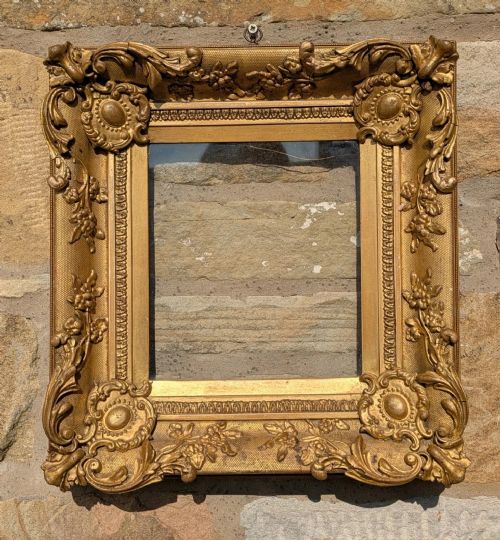
Makers constructed the structural foundations of wood, applying layers of gesso to build up high-relief ornamentation before gilding the surface. Gold leaf provided a durable metallic sheen, whilst various techniques like sand moulding created textured backgrounds for the gilded details.
Glazing materials and canvas supports accompanied these frames when they housed oil paintings, watercolours or photographs. Joinery techniques varied from simple mitred corners to heavily carved composite mouldings designed to hold considerable glass and wood weight.
Heavy Gilt Frames Retail Price Guide 2026
Typical asking prices for heavy gilt frames among the pieces listed under this phrase on Sellingantiques today, from the lower quarter to the upper quarter. They describe what is for sale here now, not the wider market.
Among the portraits and landscapes, one vigilant dog keeps watch from a courtyard, framed in nineteenth-century gold.
What varies in quality
The distinction between ordinary and superior pieces lies in the depth of the carving and the crispness of the gesso mouldings. Heavy frames with deep profiles and intricate decorative motifs command attention through their sculptural presence rather than flat surfaces.
Original gilding retains a warm, aged lustre that differs markedly from later repainted or regilded finishes. The integrity of the underlying wooden structure and the survival of secondary elements like linen slips also determine the standing of each piece.
George Morland·Andre de Moller·W E Millner·Alexandre Decamps·Ralph Hedley RBA
The Heavy Gilt Frames Glossary
- Gesso
- A plaster mixture applied to wooden frame bases as a smooth or moulded surface for subsequent gilding. It allows for intricate relief ornamentation before the application of gold leaf.
- Giltwood
- Timber that has been coated with gold leaf or a metallic substitute. This material defines the bright, reflective appearance characteristic of these decorative borders.
- Linen Slip
- An internal fabric-covered border placed between the painting and the outer frame. It provides a neutral buffer that enhances the visual depth of oil paintings.
- Pier Glass
- A large tall mirror designed to hang on the wall between windows. These mirrors often feature substantial gilt frames matching grand interior decorative schemes.
- Overmantle Mirror
- A large mirror intended for placement above a fireplace mantel. These pieces frequently incorporate heavy nineteenth-century gilt frames and expansive glass surfaces.
Heavy Gilt Frames: Frequently Asked Questions
How do I hang a heavy gilt frame?
These substantial objects require secure wall anchors fixed directly into masonry or solid timber studs. Professional mirror plates and heavy-duty picture wire distribute the considerable weight safely across the hanging points.
Position the frame at eye level where its reflective or painted contents catch natural light. Ensure the wall structure can bear the combined weight of the wood, gesso, glass and canvas.
Are these frames sold with artwork?
Many listings include original oil paintings, watercolours, photographs or wall mirrors housed within the frame. Other items are supplied as empty frames intended for custom picture or mirror insertion.
Check individual descriptions to determine whether the canvas or glass is included in the sale. This allows buyers to select pieces either for immediate display or for framing their own artwork.
How do I clean a gilt surface?
Dust the carved gesso and gold leaf gently using a soft, dry artist brush or feathered duster. Avoid liquid cleaners, chemical sprays or abrasive cloths that can strip away the delicate metallic layers.
Preserve the antique finish by keeping the frame away from direct sunlight and damp environments. Gentle maintenance protects both the wooden core and the historic surface application.
What periods do these frames represent?
The selection spans multiple eras, with a strong representation of nineteenth-century Victorian craftsmanship alongside earlier eighteenth-century pieces and mid-century examples. Styles range from rococo revival and grand regency to Dutch golden age interpretations.
Each period utilises distinct moulding profiles and decorative motifs that reflect changing interior aesthetics. Examining the backboards, fixings and gesso work helps identify the era of manufacture.