

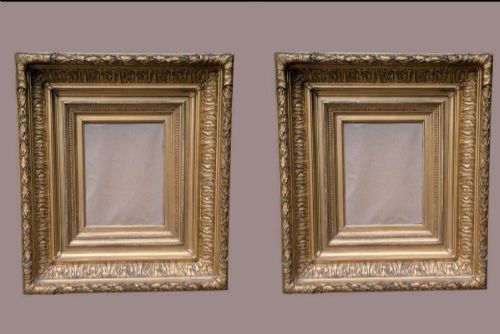
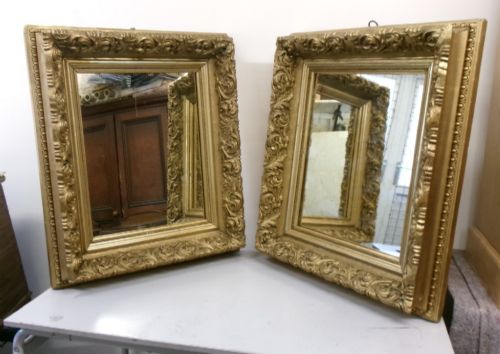

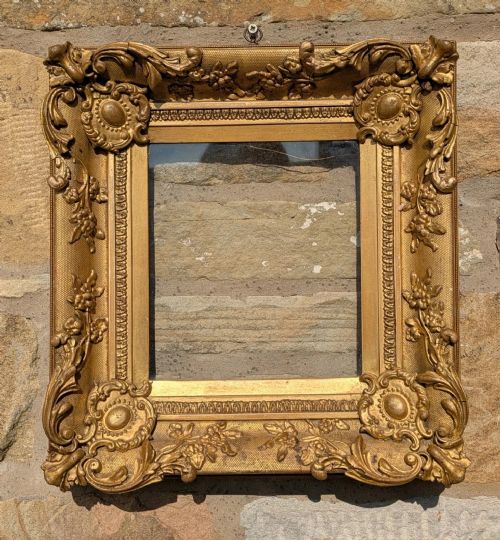


Heavy Gilt Frame Mirror
These substantial heavy gilt frame mirror pieces command attention in any room, bringing warmth and presence through deep mouldings and reflective glass.
Heavy Gilt Frame Mirror
A heavy gilt frame mirror brings architectural weight and reflective depth to a room through substantial timber constructions covered in luminous gold surfaces. When you search for this phrase, you encounter grand wall mirrors, hanging wall mirrors, and deep picture frames adapted to hold glass.
The Victorian period dominates these selections, running alongside specific dated examples from the decades around the late nineteenth century and one earlier piece from the seventeen hundreds. These objects primarily function as wall mirrors and overmantle mirrors designed to anchor a formal interior.
Makers often employed deep profiles to create dramatic shadow play and sculptural presence on the wall. The surviving items range from large decorative wall mirrors to pairs of carved pier glass mirrors and deep gilt picture frames.
How they were made
Craftsmen built the core structure from wood before applying layers of gesso to create a smooth, responsive base for carving and moulding. This compound allowed artisans to build up deep decorative relief work before finishing the surface.
Makers finished the pieces using gold leaf or composition materials to achieve a brilliant metallic sheen that catches the light. Some examples also incorporate sand finishes within the frame design to introduce contrasting matte textures against the burnished gilding.
Heavy Gilt Frame Mirror Retail Price Guide 2026
Typical asking prices for heavy gilt frame mirror among the pieces listed under this phrase on Sellingantiques today, from the lower quarter to the upper quarter. They describe what is for sale here now, not the wider market.
What varies in quality
Depth and crispness in the carved ornament separate standard production from superior examples. Frames with deep, well-defined moulding and careful hand-tooling display a sculptural clarity that flatter pieces lack.
The integrity of the original gilt surface dictates the visual power of the mirror. Surfaces retaining their authentic gold leaf display a richer warmth compared to later overpaint or heavy restoration.
The Heavy Gilt Frame Mirror Glossary
- Giltwood
- Timber carved and covered in gold leaf or metallic powder. This material provides the foundational structure for most traditional decorative frames.
- Gesso
- A plaster mixture applied to wood frames to create a smooth surface for gilding. Artisans carved intricate details directly into this hardened layer.
- Composition
- A moulded paste mixture used to create repetitive decorative details quickly. Makers pressed this material onto frames to simulate hand-carved ornament.
- Overmantle
- A large mirror designed to hang directly above a fireplace mantelpiece. These pieces visually expand the room and reflect light from the hearth.
- Pier glass
- A tall mirror designed to hang on the wall space between windows. These mirrors maximise natural light in period rooms.
Heavy Gilt Frame Mirror: Frequently Asked Questions
Where should I hang a heavy gilt frame mirror?
These pieces require secure fixings into solid masonry or substantial wall studs due to their considerable weight. Position them above a fireplace or on a principal wall where they can reflect light and anchor the room.
Ensure the hanging height suits the scale of the furniture below it, allowing the frame to act as a focal point without crowding the space.
How do I clean a gilt frame?
Dust the carved surfaces gently with a soft, dry brush to prevent dirt accumulation in the recessed mouldings. Avoid commercial cleaning sprays and water, which can damage the delicate gold leaf and gesso layers.
Clean the mirror glass separately using a mild glass cleaner applied to a cloth rather than sprayed directly onto the glass, protecting the surrounding frame from moisture.
How do I identify Victorian frames?
Victorian frames typically display deep profiles and elaborate revival styles such as Rococo or Baroque influences. Look for substantial wooden construction combined with moulded composition ornament.
Examination of the backboards and fixings often reveals period construction methods, including hand-cut screws and older joining techniques.
What is a sand finish on a frame?
A sand finish incorporates fine grit into the surface preparation of the frame before gilding. This technique creates a textured, matte band that contrasts with bright burnished gold.
Artisans used this method to add visual depth and break up large expanses of flat moulding.