



Heavy Garden Pots
Heavy garden pots are substantial metal vessels built to anchor outdoor spaces, offering enduring utility and rugged presence for plants and firesides.
Heavy Garden Pots
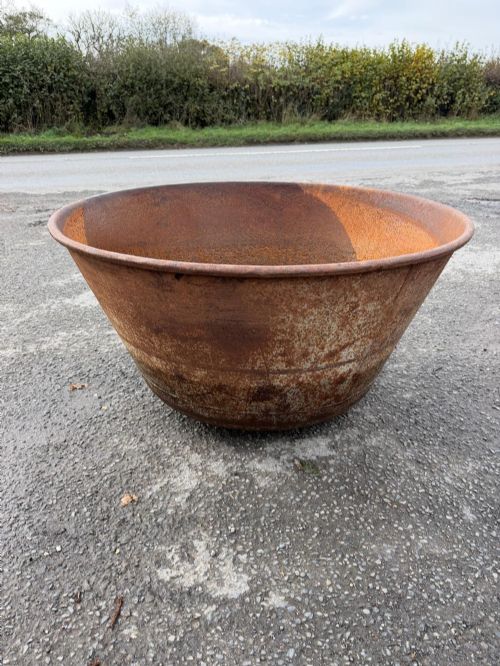
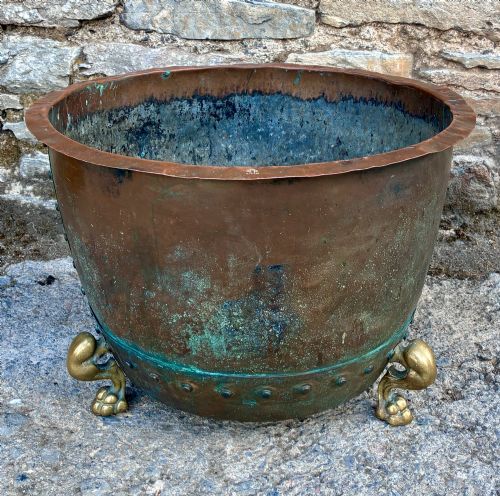
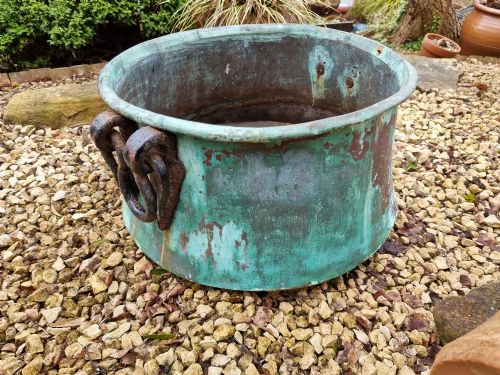
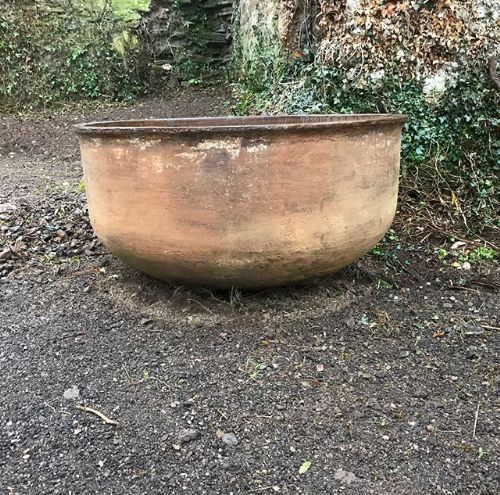
Heavy garden pots appear across this selection as robust metal vessels designed to hold substantial plants and greenery. When you search for heavy garden pots, you encounter cast iron urns, riveted copper boilers, cauldrons, and steel planters that double as log bins.
The pieces span the nineteenth century and the Victorian era, alongside early twentieth-century examples up to nineteen fifty. Forms range from classical revival urns to rustic country cauldrons and industrial pots.
You meet these items functioning as garden jardiniere displays, terrace planters, and hearth-side log buckets. Their heavy metal construction allows them to withstand outdoor exposure while developing rich surface patinas.
How they were made
Makers formed these heavy vessels using durable metals including cast iron, copper, steel, brass, and wrought iron. Cast iron examples utilise foundational moulding techniques to create thick walls and classical decorative relief details.
Copper and steel vessels rely on metal sheet construction joined by visible rivets, paired with forged wrought iron swing handles. Many surfaces retain traces of early paint or develop natural verdigris finishes through weathering.
Heavy Garden Pots Retail Price Guide 2026
Typical asking prices for heavy garden pots among the pieces listed under this phrase on Sellingantiques today, from the lower quarter to the upper quarter. They describe what is for sale here now, not the wider market.
What varies in quality
Quality rests in the proportional balance of the form, whether a cast iron urn follows classical revival lines or a copper cauldron displays clean riveted seams. The thickness of the metal casting and the integrity of the original structure distinguish finer examples.
Surface character defines the visual merit of each piece, from the depth of a weathered verdigris finish to intact painted surfaces. Matched pairs and particularly large scales command greater presence in garden and interior settings alike.
The Heavy Garden Pots Glossary
- Verdigris
- A green patina formed naturally on copper, brass, or bronze through atmospheric weathering and oxidation. This surface layer adds significant visual depth and confirms genuine age.
- Cauldron
- A large metal pot with a wide mouth, traditionally used for boiling or heating over a fire. In domestic and garden settings, these heavy vessels serve as planters or log bins.
- Jardiniere
- An ornamental pot or stand designed to hold flowers or growing plants. These pieces often feature decorative surface detailing and substantial bases.
- Urn
- A vase-shaped vessel, frequently set on a pedestal, utilised in classical garden design. Victorian examples often adopt revivalist motifs.
- Riveted
- Joined together using metal bolts hammered flat at the ends. This technique secures overlapping sheets of copper or steel on boilers and large tubs.
Heavy Garden Pots: Frequently Asked Questions
Can these pots stay outdoors all winter?
Most heavy metal pots tolerate outdoor conditions well due to their robust construction in cast iron, copper, or steel. Cast iron and thick copper develop weather-resistant qualities, though extreme freezing water can occasionally stress rigid metal forms.
Positioning them on bricks or pot feet helps prevent moisture retention underneath. Bringing delicate planted arrangements under cover during harsh frosts protects both the vegetation and the vessel.
How do I clean a copper garden pot?
Washing copper pots with mild soapy water and a soft brush removes dirt while preserving the historical surface. Avoid abrasive scourers that strip away the accumulated character.
Allowing the natural verdigris to remain intact maintains the authentic aged appearance. Heavy scrubbing alters the desirable weathered tones that collectors value on nineteenth-century metalwork.
Are cast iron urns very heavy to move?
Cast iron garden urns and planters possess substantial weight designed to keep them stable in exposed outdoor locations. Moving them typically requires two people or lifting equipment to prevent injury or damage.
Planning their final garden placement beforehand avoids repeated heavy lifting. Once positioned on a terrace or lawn, their mass ensures they remain secure against high winds.
Can indoor log bins be used outside?
Many large copper vessels and cauldrons serve a dual purpose as both indoor log bins and outdoor planters. Their durable metal construction handles dry firewood or damp soil with equal ease.
Transitioning a piece between settings requires checking that any interior moisture is managed properly. Using a protective liner inside helps preserve the metal when holding wet earth.