





Heavy Frame Mirror
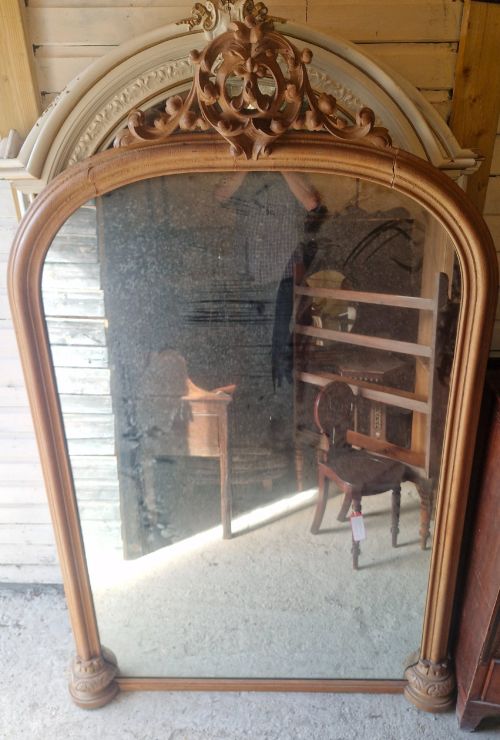
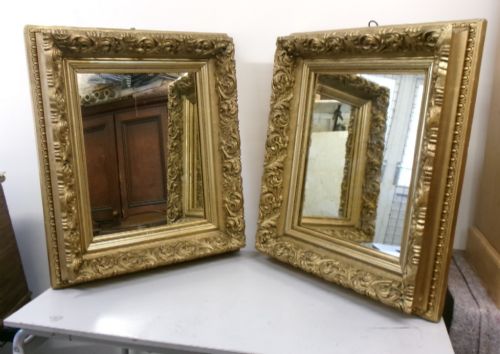
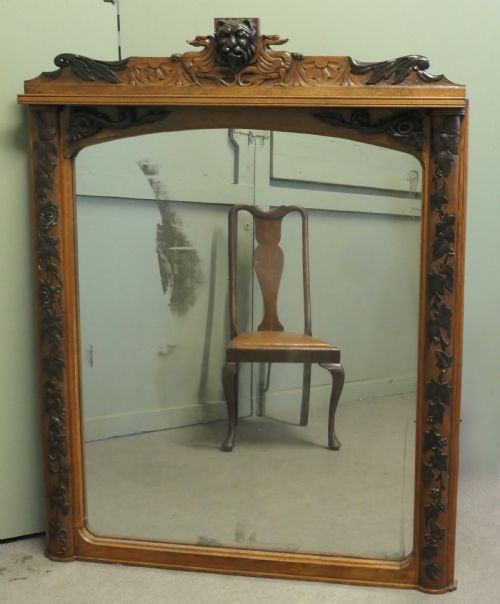
A heavy frame mirror anchors a room through sheer physical presence, combining substantial timber or gilded mouldings with deep bevelled glass.
Heavy Frame Mirror
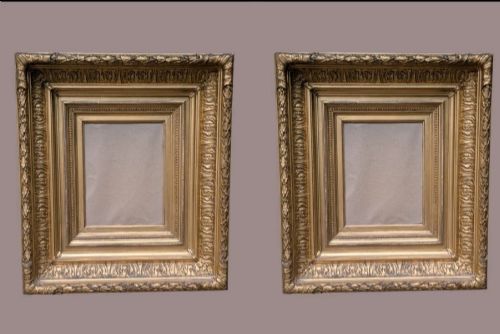
A heavy frame mirror is a substantial wall-hanging piece defined by its significant structural weight and deep timber or moulded surrounds. When exploring this selection, buyers encounter robust wall mirrors and large picture frames adapted to mirror glass, spanning from the seventeenth century through to the Edwardian era.
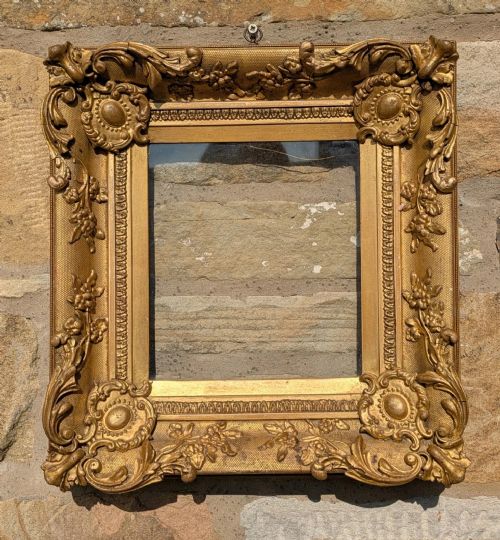
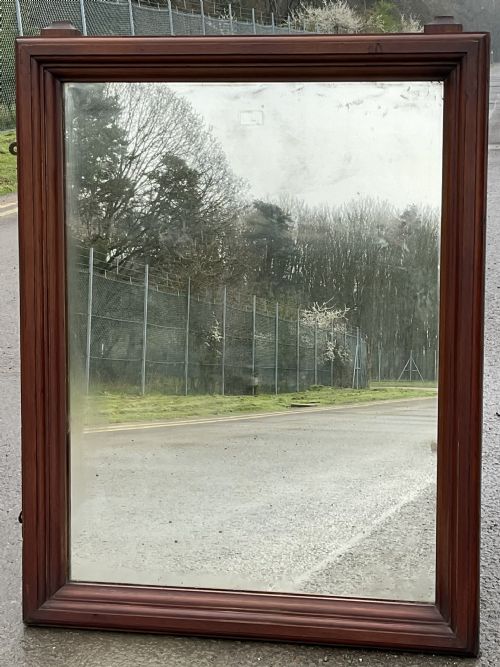
The dominant forms on this page include nineteenth-century Victorian oak frames, grand overmantle mirrors, and deeply moulded giltwood pieces. Styles stretch from restrained classical mouldings to elaborate Rococo Revival and Gothic interpretations, reflecting diverse interior tastes across centuries.
Originating largely from British and continental workshops, these items serve as commanding focal points in halls and principal rooms. The listings show a strong presence of substantial oak and ornate gilded creations designed to command attention through sheer scale.
How they were made
Makers constructed these frames using dense hardwoods such as oak, often carved directly or built up with gesso and composition ornament over a wooden core. Giltwood pieces received layers of gold leaf applied to prepared surfaces, while brass elements appeared mounted onto timber foundations in later works.
Mirror plates were frequently heavy glass set within deep rebates, sometimes featuring sand-moulded gesso details or bevelled edges. Joinery relied on traditional pegged or halved joints to support the considerable weight of the glass and heavy surrounds.
Some heavy oak frames hide centuries of dust trapped behind their deep cushion mouldings, acting as accidental time capsules.
What varies in quality
Quality in a heavy frame mirror rests upon the depth of the carving, the crispness of the gesso mouldings, and the integrity of the original wood or gilding. Superior examples display hand-carved relief work and well-preserved gold leaf rather than cast composition shortcuts.
The relationship between the weight of the frame and the proportion of the glass dictates the visual balance. Finer pieces maintain structural stability across large spans, utilising seasoned timber that resists warping under the heavy load of antique mirror plates.
The Heavy Frame Mirror Glossary
- Giltwood
- Wood coated with gold leaf or metal leaf over a prepared gesso base. This finish provides a warm, reflective surface that mellows with age.
- Gesso
- A plaster-like mixture applied to wood frames to create a smooth surface for gilding or deep relief moulding. It allows for intricate decorative details.
- Overmantle mirror
- A large mirror designed to hang specifically above a fireplace mantelpiece. These pieces often feature wide proportions to reflect light across the room.
- Pier glass
- A tall mirror designed to hang on the wall space between windows. They typically match the narrow, vertical architecture of period rooms.
- Cushion frame
- A frame profile characterised by a broad, convex sweeping shape that projects forward. This style adds visual depth and shadow to the mirror.
Heavy Frame Mirror: Frequently Asked Questions
How do I hang a heavy frame mirror safely?
Hanging a heavy mirror requires locating structural wall studs and utilising appropriate heavy-duty brackets or French cleats rated for substantial weight.
Professional installation is often advisable to ensure the fixings securely support the combined mass of the timber frame and thick glass plate.
Can I place these mirrors in a bathroom?
High humidity and fluctuating temperatures in bathrooms can damage vintage gesso, exposed wood, and the original silvering on antique mirror glass.
It is best to keep these substantial framed pieces in dry living areas, hallways, or dining rooms where the environment remains stable.
Are the mirror plates original?
Many pieces retain their original glass, which often exhibits characteristic foxing, minor speckling, and light distortion from early manufacturing methods.
Replacements do occur over long histories, so examining the backboards and rebates helps determine if the plate matches the age of the frame.