

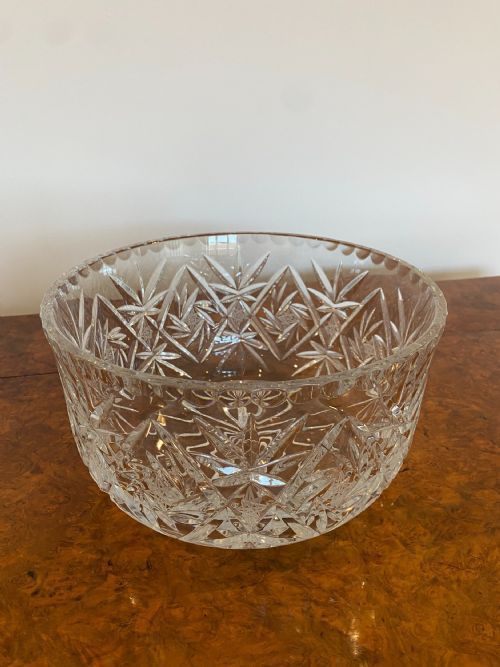
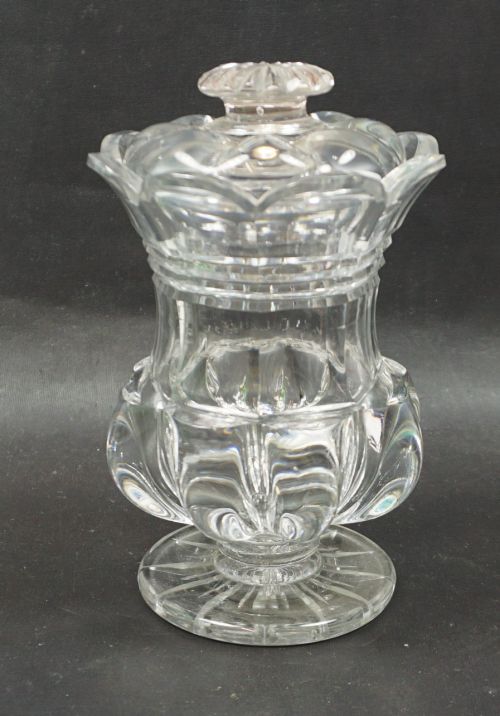
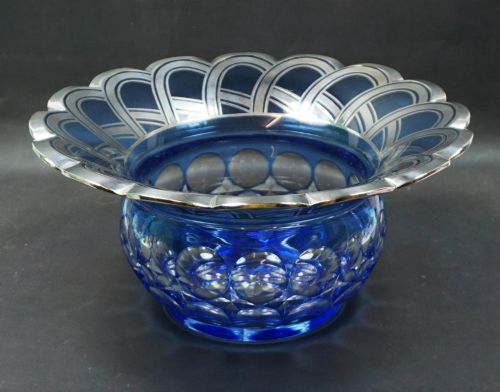
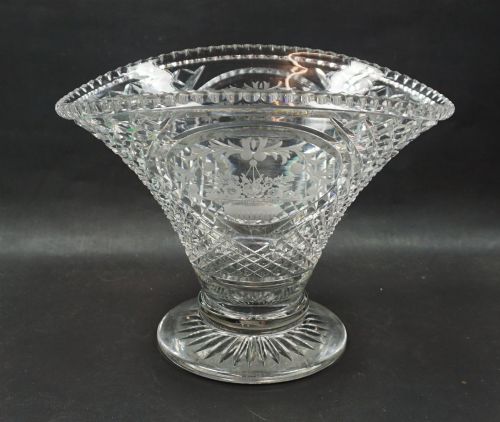

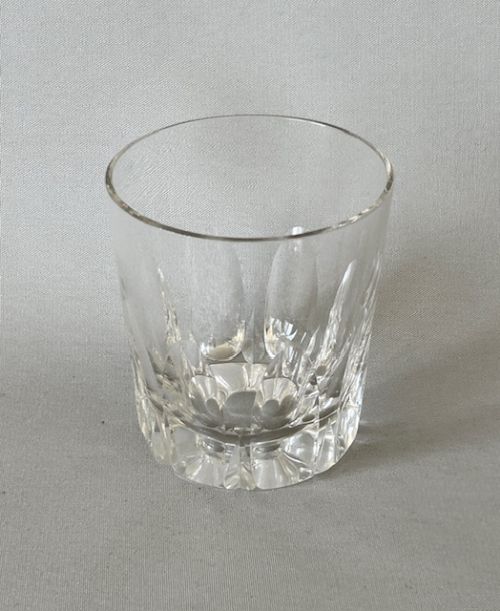


Heavy Cut Crystal
Heavy cut crystal pieces are substantial, refractive vessels and ornaments from the nineteenth and early twentieth centuries that bring brilliance to a table.
Heavy Cut Crystal
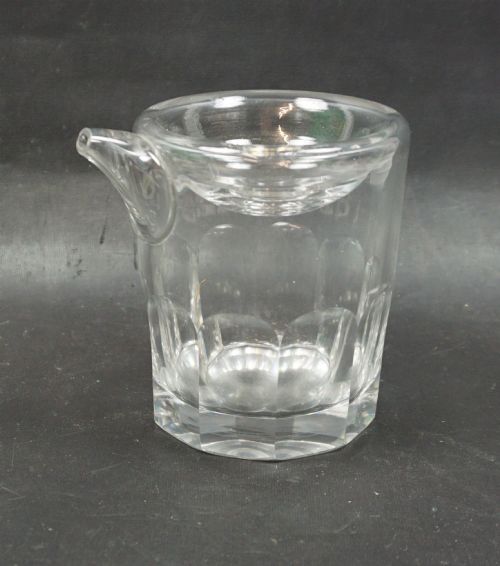
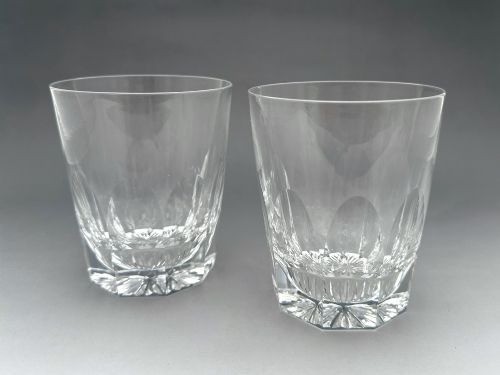
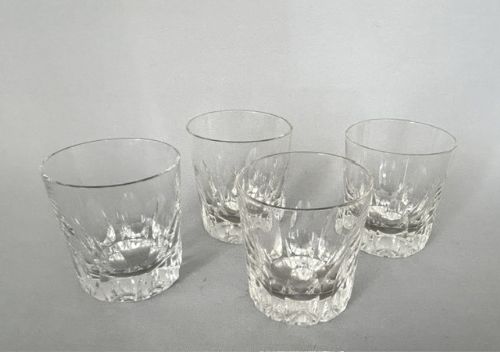
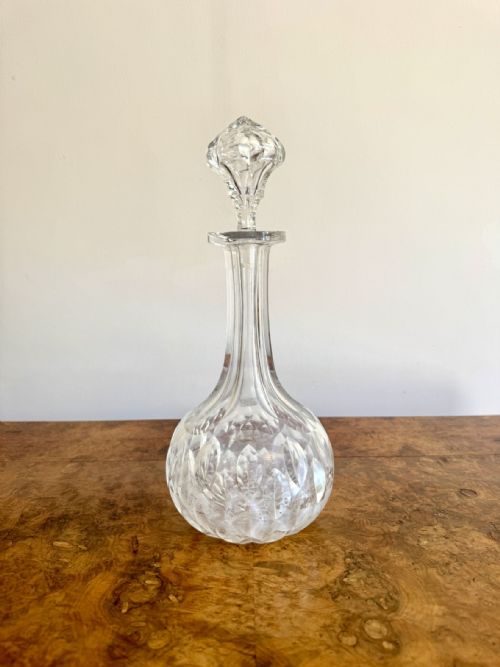
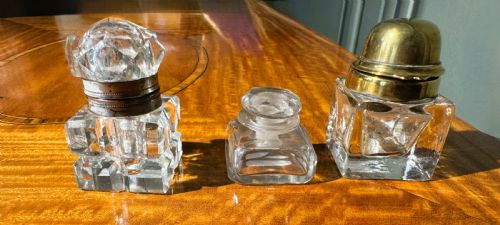
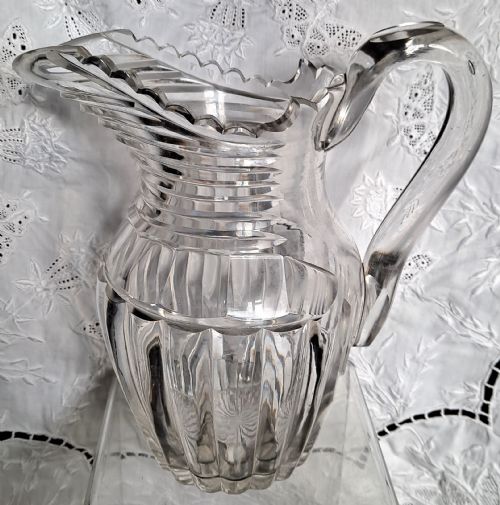
When you search for heavy cut crystal, you encounter a range of functional and decorative items spanning the Georgian, Victorian, Edwardian, and Art Deco periods. These listings encompass decanters, whisky tumblers, water jugs, fruit bowls, inkwells, table lamps, and vases.
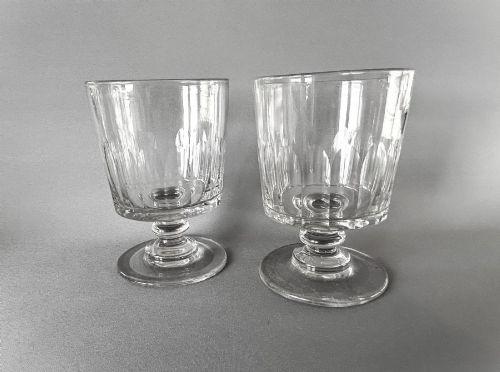
You are most likely to meet Edwardian decanters, Victorian rummers, and nineteenth-century jugs on this page. These examples show deep wheel-cutting on lead glass or crystal, often paired with silver or silverplate mounts.
The objects serve both practical utility and display, from ship's decanters designed for stability at sea to large pedestal comports and ceremonial beakers.
How they were made
The makers formed these pieces using hand-blowing techniques before shaping the heavy lead glass or crystal blank on an iron wheel. This wheel-cutting created deep, sharp facets, flutes, and geometric patterns across the surface.
Workers then polished the cut surfaces either by acid or by hand on a wooden wheel to achieve brilliance. Many items also integrated metal components, incorporating sterling silver collars, mounts, or brass fittings.
Heavy Cut Crystal Retail Price Guide 2026
Typical asking prices for heavy cut crystal among the pieces listed under this phrase on Sellingantiques today, from the lower quarter to the upper quarter. They describe what is for sale here now, not the wider market.
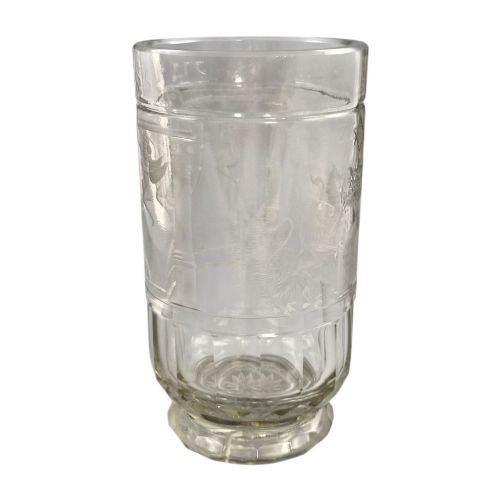
A massive Bohemian Jewish Masonic ceremonial engraved glass beaker from the mid-nineteenth century proves that even decanting water had its secret society moments.
What varies in quality
Quality rests in the crispness and depth of the wheel-cutting, alongside the clarity and weight of the crystal itself. Superior pieces show precise symmetry in their facets and possess a resonant ring when struck.
The integration of secondary materials also dictates standard, with high-grade items featuring hallmarked silver mounts or specific designer attribution, such as work by Charles Graffart or Joseph Simon for Val Saint Lambert.
Charles Graffart for VSL·Joseph Simon for Val St Lambert·Tiffany and Co
The Heavy Cut Crystal Glossary
- Lead crystal
- Glass containing a high percentage of lead oxide, which increases weight, refractive index, and workability for deep cutting. This material allows the sharp, clear facets characteristic of the period.
- Rummer
- A large, sturdy drinking glass with a short stem and a capacious bowl, typically used for wine or ale in the eighteenth and nineteenth centuries. These often feature heavy cut decoration.
- Comport
- A shallow decorative bowl raised on a pedestal, used for serving fruit or sweetmeats on a formal dining table. They are frequently hand-blown and cut from thick lead glass.
- Cruet set
- A matched group of small bottles or containers for holding condiments, often fitted into a frame. Art Deco examples in heavy lead crystal demonstrate this form.
- Ship's decanter
- A decanter with a wide, stable base and a tapering neck designed to prevent tipping on rolling ships. These appear frequently in Georgian and Regency cut glass.
Heavy Cut Crystal: Frequently Asked Questions
How do I clean heavy cut crystal?
Wash pieces by hand in warm water using a mild detergent, placing a towel in the bottom of the sink to prevent chipping. Avoid extreme temperature changes to protect the glass.
Dry them immediately with a lint-free cloth to restore the brilliant sparkle of the cut facets.
What is the difference between glass and crystal?
Crystal contains a significant amount of lead oxide, which makes the material heavier, softer to cut, and more refractive than standard glass. This composition allows for the deep, sharp facets seen in these pieces.
Standard glass lacks this lead content, resulting in less weight and lower light dispersion.
How can I date a decanter?
Examine the base for a pontil mark, the shape of the body, and the style of the stopper. Early pieces often feature polished pontil marks and distinct hand-cut geometric arrangements.
Mounts made of sterling silver can also provide date hallmarks that narrow down the period of manufacture.
Were these items meant for daily use?
Many of these pieces, such as whisky tumblers and water jugs, were designed for active service on dining tables and sideboards. Their robust lead crystal construction suited regular handling.
Over time, changing dining habits shifted items like decanters and rummers into display and occasional entertaining roles.