

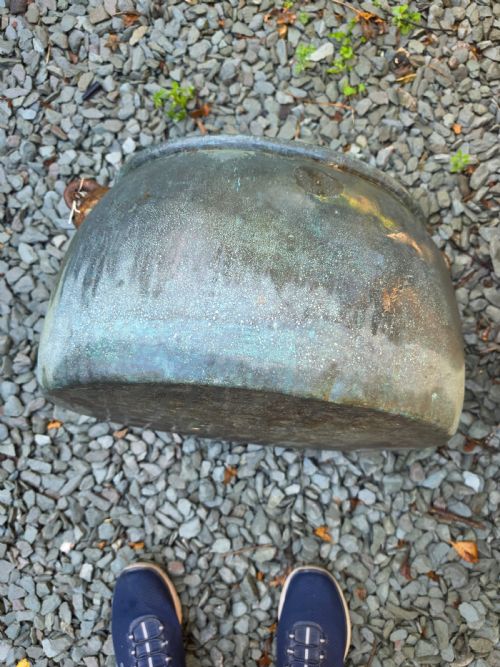

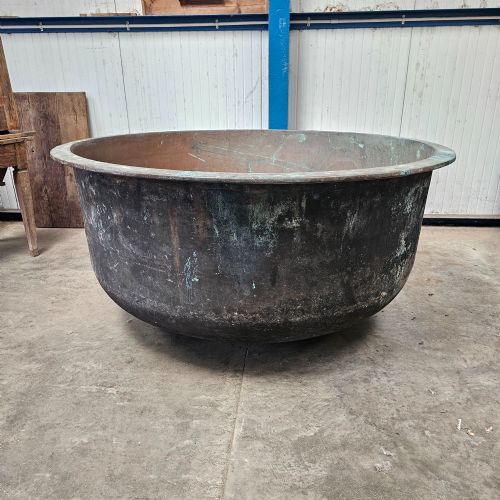

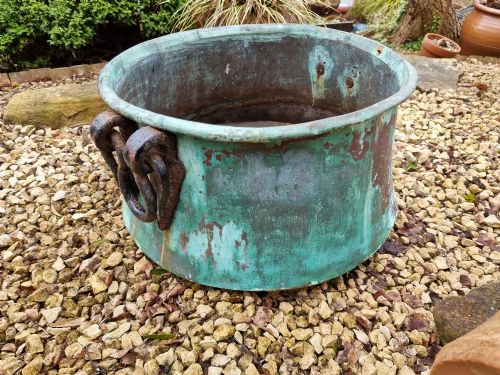
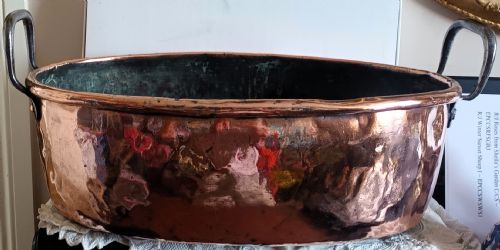


Heavy Copper Planter
A heavy copper planter brings substantial warmth and texture to a room, turning functional utilitarian vessels into focal points.
Heavy Copper Planter
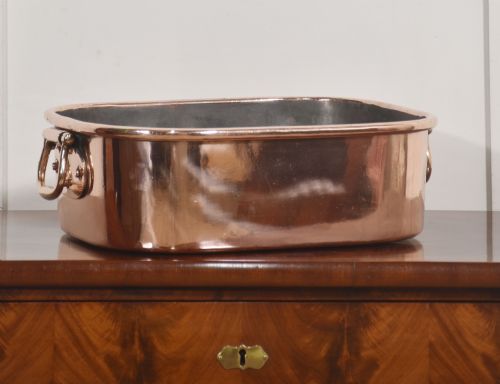
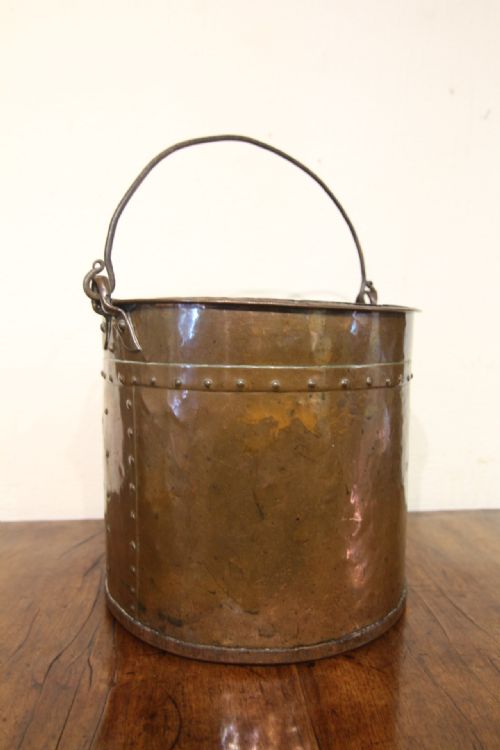
A heavy copper planter emerges from domestic and industrial utility, taking forms originally cast or hammered for cooking, boiling, or gathering. Buyers searching for a heavy copper planter typically encounter large nineteenth-century vessels, including riveted buckets, cauldrons, and log bins.
Many examples stem from nineteenth-century contexts, spanning Victorian and Georgian periods alongside French provincial origins. These items often double as log bins, cauldrons, or pans repurposed from earlier agricultural and domestic tasks.
The selection reflects robust metalwork made to endure hard use. Heavy copper planters on this page showcase the enduring utility of repurposed metal vessels.
What varies in quality
Quality rests in the thickness of the metal sheet and the integrity of the riveted joints. Substantial weight and solid wrought iron hardware distinguish superior vessels from lighter decorative items.
The character of the aged patina and the crispness of early hand-forming determine the visual presence of each piece. Original swing handles and uncompromised structural walls elevate the standing of a vessel.
Heavy Copper Planter Retail Price Guide 2026
Typical asking prices for heavy copper planter among the pieces listed under this phrase on Sellingantiques today, from the lower quarter to the upper quarter. They describe what is for sale here now, not the wider market.
Listings span the 1800s through the 1930s, featuring copper, iron, brass, and wrought iron in styles ranging from Georgian to Art Deco.
The Heavy Copper Planter Glossary
- Verdigris
- A green patina formed naturally on copper through prolonged exposure to atmospheric elements. This surface oxidation provides both protection and distinct visual character.
- Cauldron
- A large round pot or kettle with a swing handle, traditionally used over open fires for cooking or boiling. These deep vessels frequently serve as planters or log bins today.
- Dinanderie
- Objects made of beaten brass or copper, named after the Belgian town of Dinant. This term describes decorative and utilitarian metalware produced across Europe.
- Cream Setting Pan
- A wide, shallow vessel historically utilised in dairies to let cream rise to the surface of milk. Their generous proportions make them striking display pieces.
Heavy Copper Planter: Frequently Asked Questions
How do I clean a copper planter?
Wash the surface gently with warm soapy water and a soft cloth to remove surface dust.
Avoid abrasive scouring pads that strip away the historical patina built up over generations.
Can I use these outdoors?
These robust vessels handle garden environments well, thanks to their thick metal construction and durable iron fittings.
Moisture will accelerate the formation of green verdigris, altering the appearance over time.
What were they used for originally?
Most examples served heavy domestic or agricultural purposes such as boiling laundry, brewing, cooking, or storing grain.
Their substantial capacity made them practical choices for demanding daily chores before finding new life as planters.
How do I spot a Victorian piece?
Look for specific construction traits like heavy hand-hammered riveting and sturdy wrought iron swing handles.
Nineteenth-century items often carry traces of past utility, such as maker marks, numbers, or worn interior surfaces.