

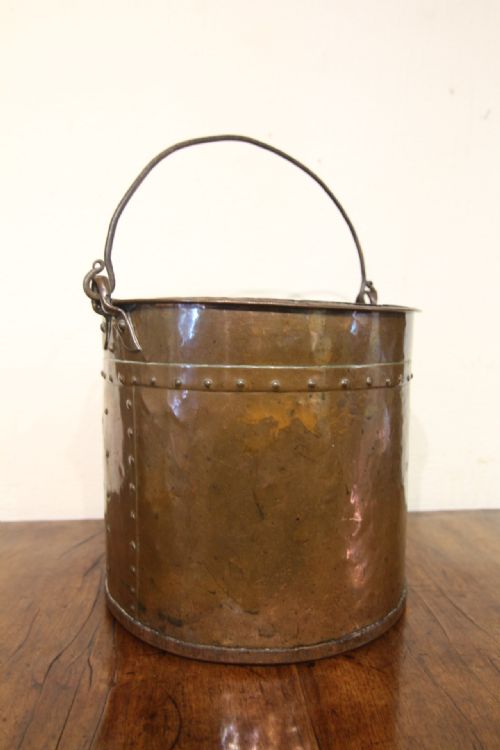


Heavy Copper Container
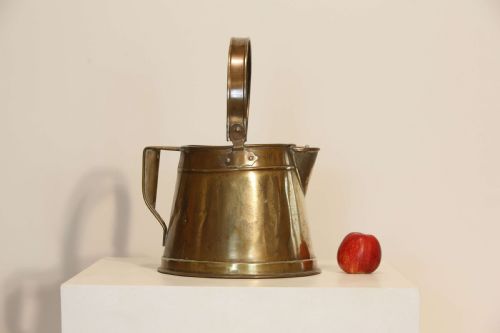
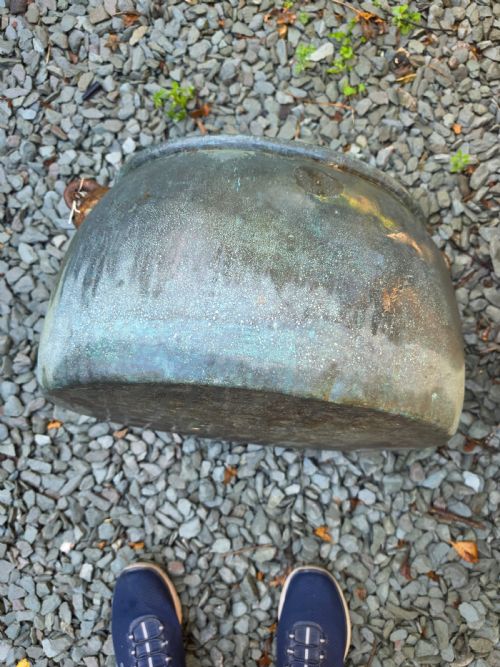
A heavy copper container brings weight and rich warmth to a room, built from thick metal to hold coal, logs or plants.
Heavy Copper Container
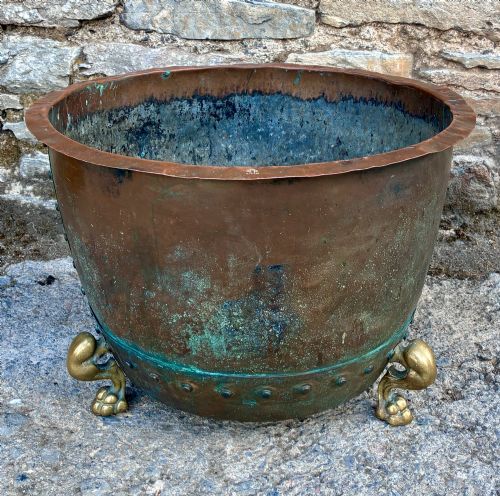
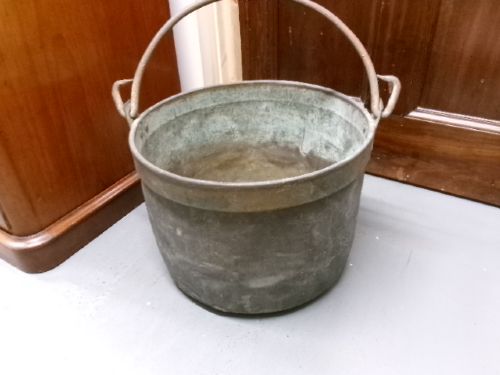
A heavy copper container spans robust functional vessels from the Georgian era through to the 1930s, taking the form of log bins, coal buckets, cauldrons and garden planters. These items were built for hard domestic service in country houses and farmhouses, utilising substantial gauges of metal to withstand heavy loads of fuel or earth.
On this page, you are most likely to meet Victorian riveted copper buckets and coal bins alongside nineteenth-century examples fitted with wrought iron or brass handles. Many of these robust vessels bear the marks of hand-beating and heavy-duty construction, moving seamlessly from utilitarian fireside use to decorative planters.
How they were made
Construction relies heavily on thick sheets of copper joined by visible rivets, creating a rigid structure designed to hold heavy materials like coal and logs without buckling. Artisans shaped these vessels by hand-beating the metal, often adding sturdy wrought iron handles and brass swing handles secured with solid fixings.
The combination of copper bodies with iron or brass fittings provided the necessary strength for daily handling by the fireside or in the garden. Over decades of use, the metal developed a deep natural patina while retaining the structural integrity given by the heavy riveted seams.
Heavy Copper Container Retail Price Guide 2026
Typical asking prices for heavy copper container among the pieces listed under this phrase on Sellingantiques today, from the lower quarter to the upper quarter. They describe what is for sale here now, not the wider market.
Some nineteenth-century coal buckets arrived with feet so sturdy they could comfortably double as small hearthside stepping stones.
What varies in quality
Quality rests primarily in the thickness of the metal gauge and the integrity of the riveted construction, separating substantial utility pieces from lighter decorative items. A heavier vessel demonstrates greater durability and more careful hand-forming by the maker.
The character of the handles and fixings also determines the standard of the piece, with well-forged wrought iron or cast brass mounts indicating superior manufacture. The depth and warmth of the natural copper surface contribute further to the distinction between ordinary and exceptional examples.
The Heavy Copper Container Glossary
- Riveted
- Joined together using heavy metal pins hammered flat to secure overlapping sheets of copper. This technique provides immense structural strength for vessels meant to hold heavy loads.
- Cauldron
- A round, deep metal pot traditionally used over an open fire, often fitted with a swing handle. In later periods, these sturdy vessels transitioned to fireside coal storage.
- Patina
- The deep surface sheen and colour acquired by copper over many decades of handling and oxidation. This natural ageing process gives antique metal its distinctive warmth.
- Coal Helmet
- A traditional fireside bucket featuring a sloping top and a wide mouth designed for scooping and pouring fuel. They frequently rest on small feet and carry a sturdy carrying handle.
Heavy Copper Container: Frequently Asked Questions
What were heavy copper containers used for?
These robust vessels served primarily as utilitarian items in nineteenth-century homes, carrying heavy loads of coal to hearths and storing logs for the fire. Their solid construction also suited them for damp garden tasks, acting as large planters or boilers.
Over time, their practical role shifted as households modernised, leaving them valued for their decorative presence and sturdy capacity in contemporary interiors.
How do I clean a heavy copper container?
Cleaning depends entirely on whether you prefer a bright polished finish or the dark warmth of an aged patina. Most collectors prefer to leave the surface untouched, using only a soft dry cloth to remove dust.
If polishing is desired, a gentle copper cleaner applied sparingly will restore the bright metallic shine without harming the historic riveted seams.
Can I use these containers outdoors?
Many of these vessels function well outdoors as garden planters, given the natural resilience of thick copper against the elements. The metal withstands exposure to soil and moisture while developing further character through weathering.
Ensure that any historic iron handles or fixings are monitored for rust if the piece remains exposed to heavy rain over long periods.
How can I tell the period of a copper container?
Dating relies on observing the manufacturing techniques, such as the style of the hand-beating and the formation of the riveted joints. Earlier nineteenth-century examples often display irregular hand-forged wrought iron fittings, while later Victorian pieces show more standardised production methods.
The overall weight, shape, and handle design provide further clues to whether a piece originates from the Georgian era or the early twentieth century.