




Heavy Brass Sticks
Heavy brass sticks are robust metal supports designed to hold candles steady, prized by collectors for their weight and industrial presence.
Heavy Brass Sticks
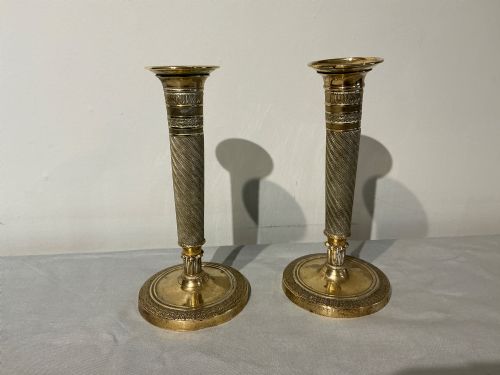
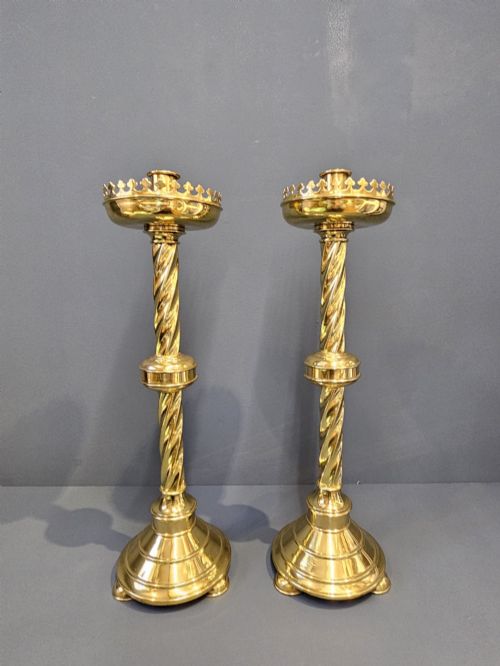
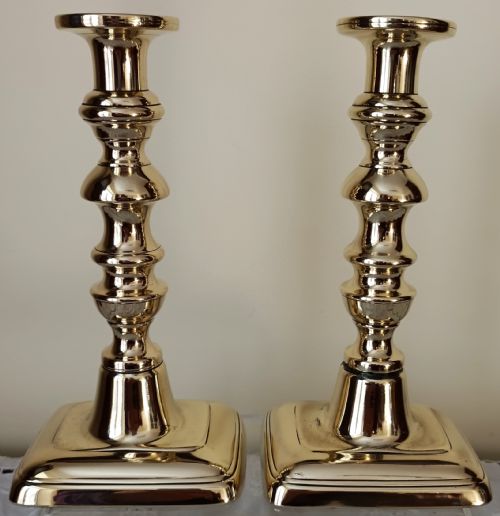
Heavy brass sticks comprise robust candlesticks, altar candlesticks, and table lamps originating from the Victorian, Georgian, and Edwardian periods. Buyers searching for heavy brass sticks usually encounter substantial pairs intended for ecclesiastical use or formal domestic spaces.
The assortment on this page includes tall church items alongside stick stands formed from brass and cast iron, or oak hat and coat stands incorporating brass elements. These substantial pieces reflect the solid manufacturing standards of the nineteenth and early twentieth centuries.
How they were made
Metalworkers utilised heavy cast brass to achieve the substantial weight characteristic of these sticks, frequently pairing the metal with cast iron for structural bases. Oak timber also appears in related hall furniture items alongside the primary brass components.
Makers employed traditional casting and joining techniques to build enduring candlesticks and stands, adding fabric and silk fringe to associated lighting pieces.
Heavy Brass Sticks Retail Price Guide 2026
Typical asking prices for heavy brass sticks among the pieces listed under this phrase on Sellingantiques today, from the lower quarter to the upper quarter. They describe what is for sale here now, not the wider market.
The listings on this site combine heavy brass sticks with oak hat and coat stands and cast iron stick stands from the Victorian period.
What varies in quality
Quality rests in the purity and thickness of the cast brass, distinguishing solid, weighty examples from lighter utilitarian items. Proportion and decorative restraint further separate standard production pieces from refined ecclesiastical commissions.
Maker marks and attributed workshop origins elevate certain pairs, while crispness of casting detail reveals the skill involved in producing the piece.
J T and Co·T Thomason and Co
The Heavy Brass Sticks Glossary
- Altar candlestick
- A tall, heavy brass stick designed specifically for use on a church altar during services. These items often display Gothic Revival or ecclesiastical decorative motifs.
- Church candlestick
- A substantial brass stick produced for religious settings, valued for its imposing height and solid construction. Pairs of these items frequently survive from the Victorian era.
- Stick stand
- A hall furnishing made from brass and cast iron designed to hold walking sticks and umbrellas. These utilitarian items utilise sturdy metal frames to support heavy daily use.
- Georgian
- A design period spanning the eighteenth and early nineteenth centuries. Pieces from this era demonstrate classic proportions before later Victorian ornamentation became popular.
- Gothic Revival
- An architectural and decorative style drawing inspiration from medieval forms. This aesthetic is frequently seen in heavy church candlesticks with pointed arches and architectural bases.
Heavy Brass Sticks: Frequently Asked Questions
What are heavy brass sticks used for?
These robust metal objects serve primarily to support candles securely on tables, altars, or sideboards. Their considerable weight ensures stability during use.
Beyond illumination, larger examples function as decorative focal points within traditional interiors, bringing metallic warmth and historical character to a room.
How do I identify Victorian brass sticks?
Victorian examples typically display heavier casting, robust proportions, and distinct decorative motifs influenced by Gothic Revival or classical styles. Maker marks or registration stamps can occasionally be found near the base.
Examining the construction methods, such as screw threads and joinery, helps distinguish nineteenth-century production from modern reproductions.
Are these sticks suitable for everyday use?
Solid brass construction makes these items durable enough for regular handling and daily placement of candles. Their substantial weight prevents accidental tipping.
Care should be taken with older brass surfaces during cleaning to preserve the natural patina developed over the centuries.
How should I clean antique brass?
Light dusting and occasional gentle wiping with a soft, dry cloth maintain the appearance of antique brass without damaging the surface. Avoid harsh chemical polishes that strip away historical character.
Preserving the darkened areas and natural patination often appeals more to collectors than achieving a bright, mirror-like shine.