



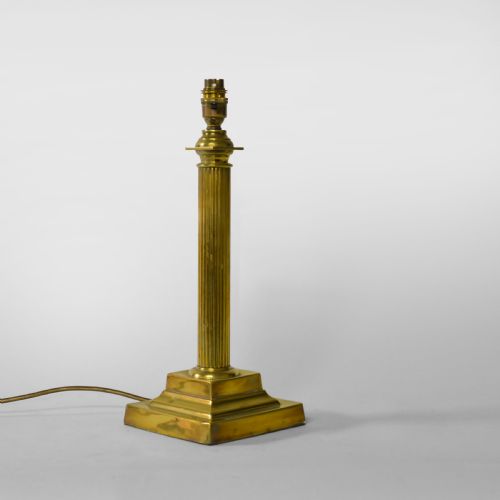

Heavy Brass Lighting
Heavy brass lighting brings substantial weight and period character into a room through cast bronze and solid brass forms.
Heavy Brass Lighting
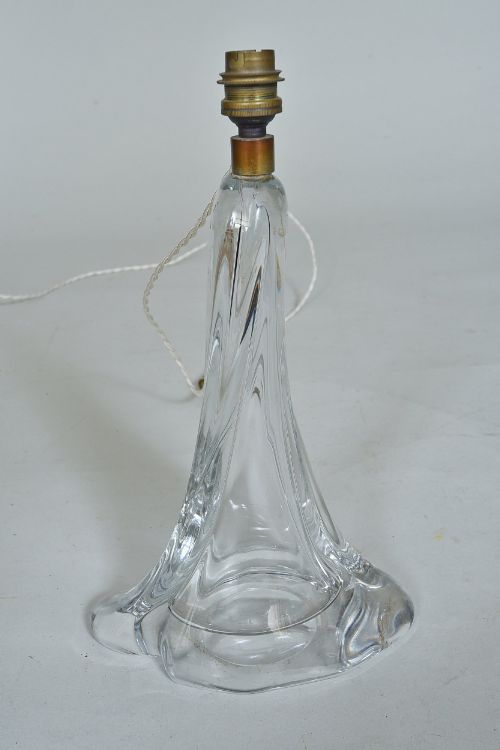
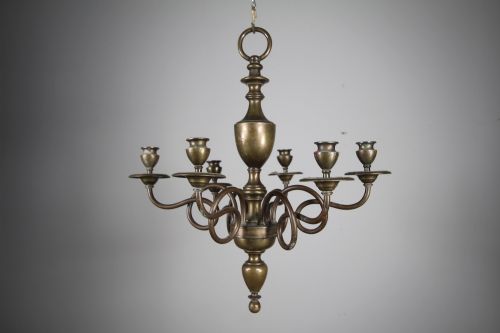
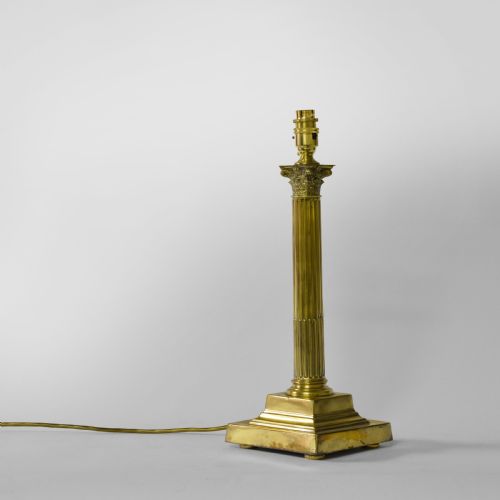
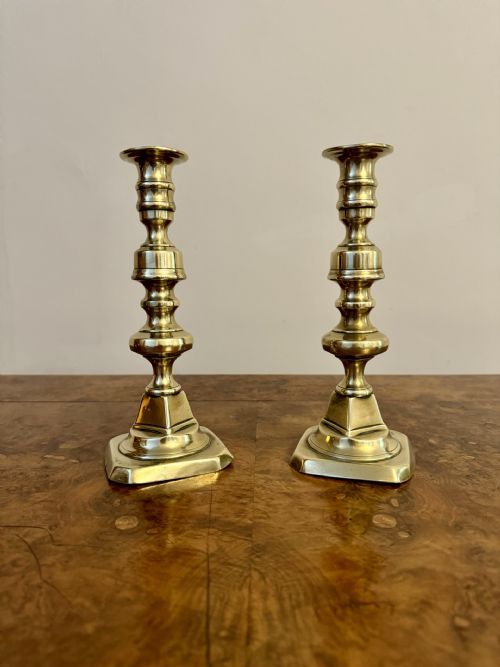
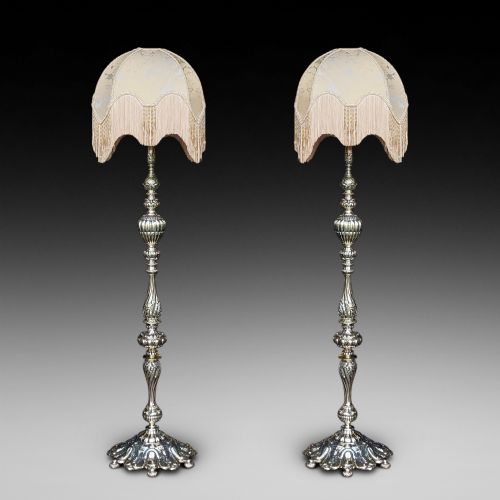
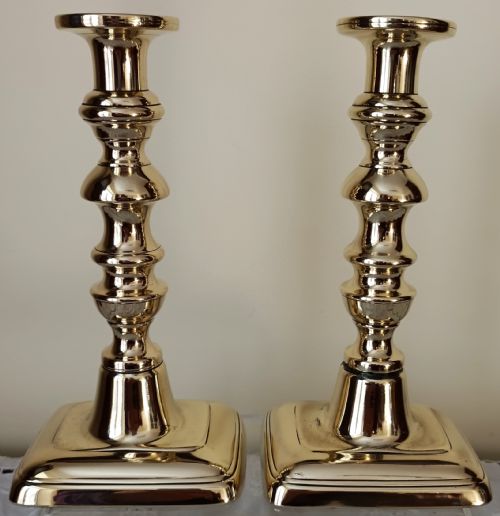
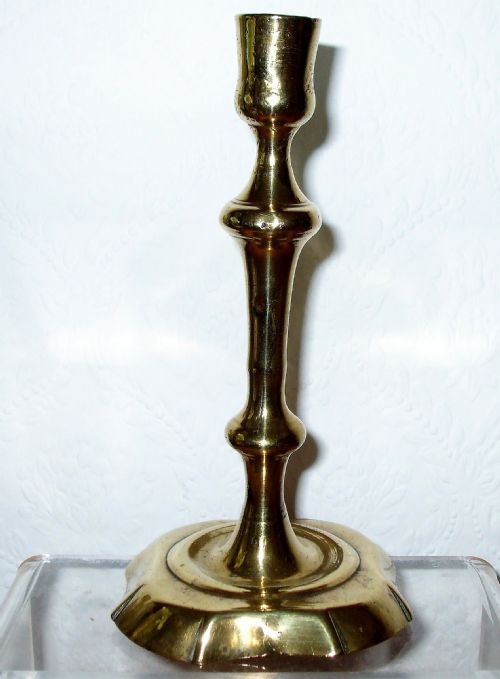
Heavy brass lighting encompasses sturdy candlesticks, tall standard lamps, and substantial chandeliers originating from the nineteenth and early twentieth centuries. These objects combine practical utility with decorative presence, often featuring column designs or ecclesiastical forms.
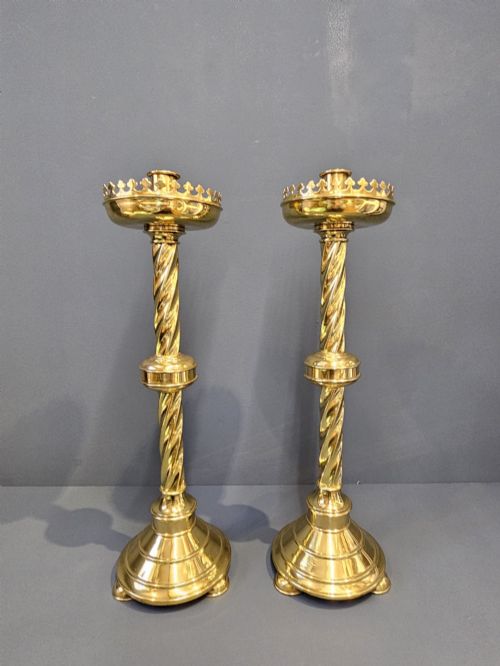
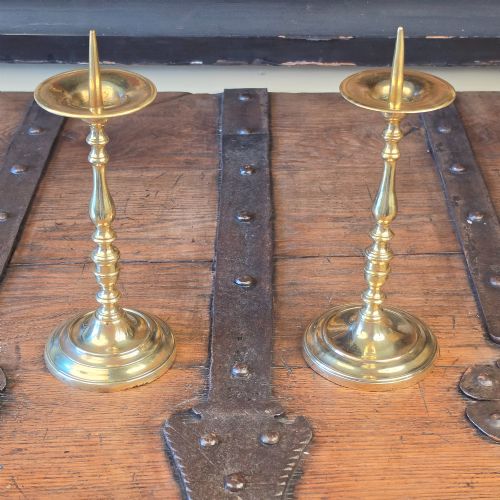
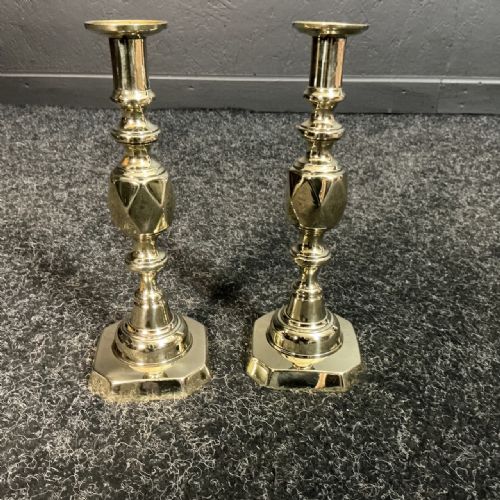
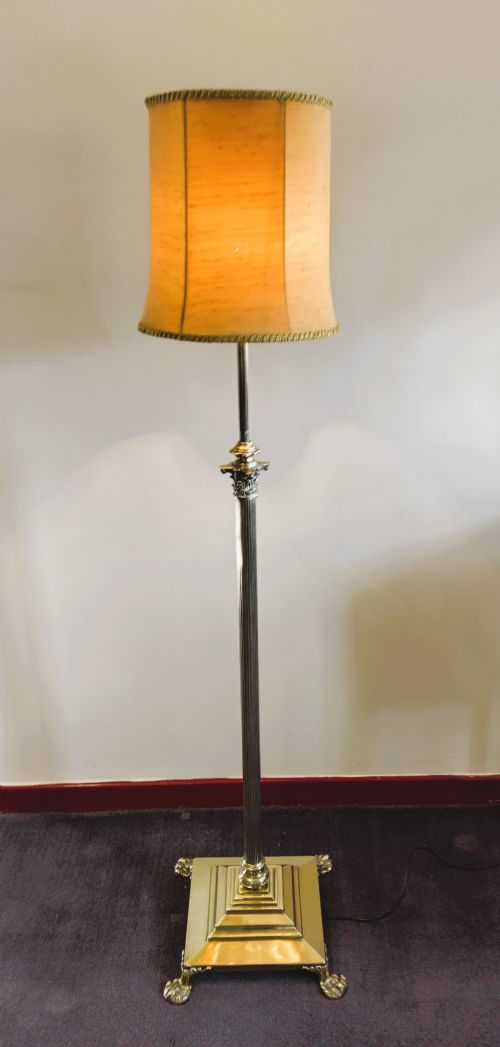
Candlesticks and church altar pieces dominate the selection, alongside floor lamps and chandeliers cast in solid or gilt brass. Buyers encounter items ranging from Victorian Gothic revival styles to early twentieth century standard lamps.
How they were made
Metalworkers utilised casting techniques to produce thick brass and bronze components that provided structural stability for tall standards and multi-armed chandeliers. Solid brass and cast bronze formed the primary body of these light fittings.
Secondary materials such as cut glass, marble, and fabric shades were integrated into table and floor lamps during the Victorian and Edwardian periods. Gilding and polishing finished the metal surfaces to enhance their decorative appeal.
Heavy Brass Lighting Retail Price Guide 2026
Typical asking prices for heavy brass lighting among the pieces listed under this phrase on Sellingantiques today, from the lower quarter to the upper quarter. They describe what is for sale here now, not the wider market.
What varies in quality
The standard of casting and the crispness of surface detail distinguish superior pieces from simpler utilitarian items. Heavy gauge metal and clean execution in classical motifs like Corinthian columns indicate better workshop production.
Proportion and the integrity of the original components dictate the overall merit of a piece. Well-balanced forms with substantial weight demonstrate superior craftsmanship compared to lighter or later reproductions.
J.T. & Co
The Heavy Brass Lighting Glossary
- Pricket candlestick
- A candlestick featuring a sharp metal spike on top to hold a candle in place rather than a socket. These often appear in ecclesiastical contexts.
- Altar candlestick
- A tall candle holder traditionally used on church altars, frequently cast in heavy brass with Gothic or Victorian styling.
- Standard lamp
- A tall floor-standing lamp designed to provide ambient illumination, often seen in adjustable brass formats from the early twentieth century.
- Ecclesiastical
- Pertaining to churches and religious architecture, describing items such as altar candlesticks and gilt brass church fittings.
- Gilt brass
- Brass coated with a thin layer of gold or gold-coloured finish to provide a brighter appearance and protect the metal underneath.
Heavy Brass Lighting: Frequently Asked Questions
How do I date heavy brass lighting?
Dating relies on observing manufacturing techniques, material composition, and stylistic cues such as Victorian Gothic revival or Edwardian neoclassical details.
Examining the casting quality and assembly methods helps distinguish nineteenth-century examples from later twentieth-century productions.
Were these lights originally electric?
Many standard lamps and table lamps were adapted for electricity later, whilst chandeliers and wall fixtures often combined oil or gas components originally.
Conversion methods vary, so checking the internal wiring and fitting age clarifies how the piece was updated over time.
How do I care for antique brass?
Maintaining brass involves dusting gently with a soft cloth and avoiding harsh chemical polishes that strip away historical patination.
Preserving the surface sheen protects the metal from active corrosion while retaining its age character.
Where should I place a standard lamp?
Standard lamps suit corners or seating areas where their height provides balanced downward illumination for reading or room ambiance.
Their substantial weight ensures stability when positioned on solid floors alongside period furniture.