


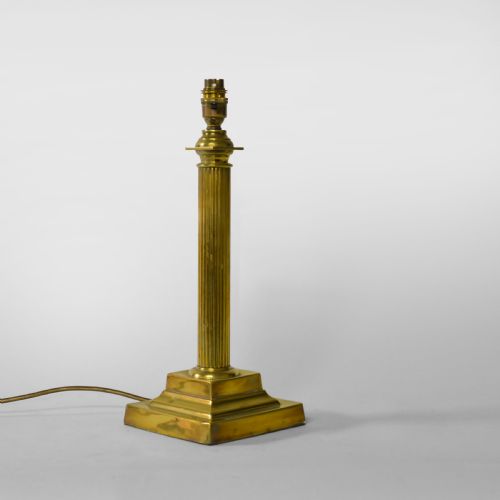


Heavy Brass Lamp
These heavy brass lamp examples bring genuine architectural weight and period presence to a room, offering solid construction built to endure.
Heavy Brass Lamp
The selection includes pieces spanning the nineteenth century through the early twentieth century, taking in Victorian, Edwardian, and Neoclassical styles. Many examples originate as converted oil lamps, altar candlesticks, or port lanterns, reflecting functional utilitarian roots adapted for domestic electrical use.
Materials and construction
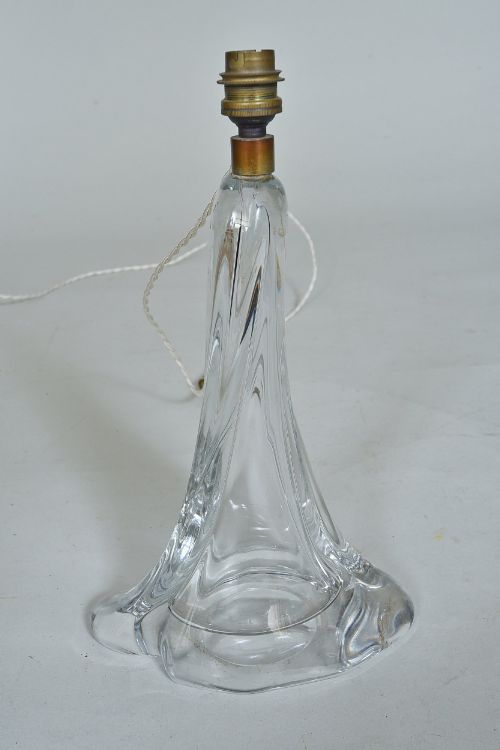
Construction relies on cast and solid brass, often paired with bronze, copper, glass, and polished marble elements to achieve considerable heft. Components are frequently cast in distinct sections before being threaded or joined together to form robust columns, bases, and arms.
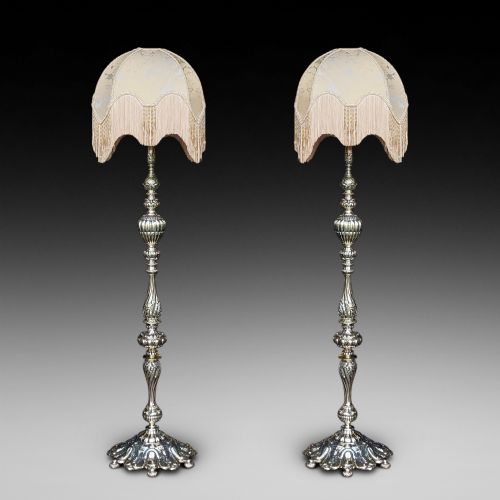
Surface treatments range from polished metallic finishes to patinated surfaces accumulated over decades of exposure, sometimes complemented by fabric shades trimmed with fringe.
Heavy Brass Lamp Retail Price Guide 2026
Typical asking prices for heavy brass lamp among the pieces listed under this phrase on Sellingantiques today, from the lower quarter to the upper quarter. They describe what is for sale here now, not the wider market.
Listings feature various forms including standard lamps, chandeliers, and table lamps from the Victorian and Edwardian eras using brass, bronze, copper, and glass.
Judging quality in brass lighting
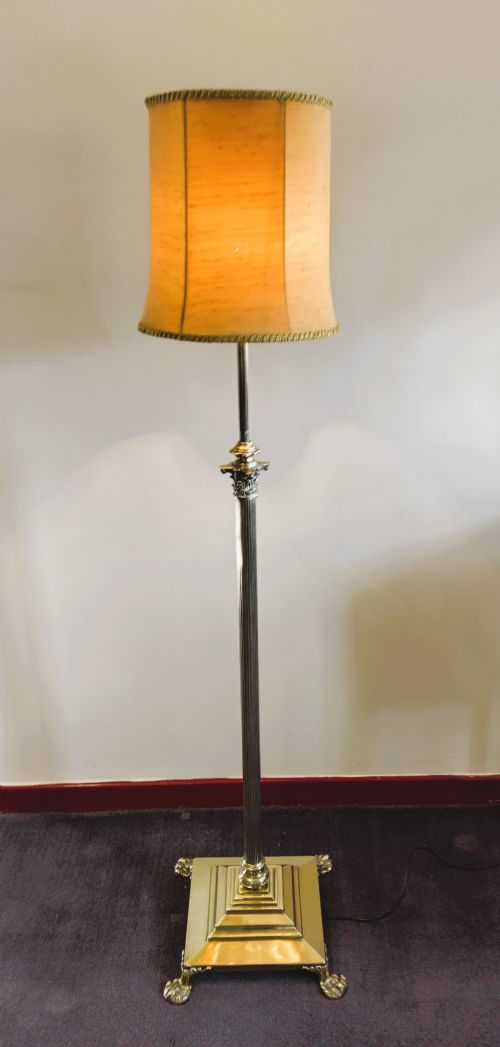
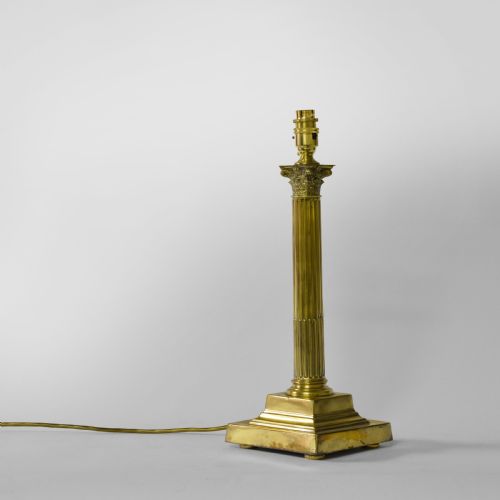
Quality reveals itself in the crispness of cast ornamentation, such as the distinct fluting on Corinthian and ionic columns or the detailed relief work on Gothic Revival and Baroque mounts. Heavier gauge metal and solid construction provide stability, distinguishing substantial standard lamps and chandeliers from lighter decorative alternatives.
The integrity of the original proportions and the integration of functional elements, like adjustable height mechanisms or multi-armed configurations, separate standard production from finer workshop examples.
The Heavy Brass Lamp Glossary
- Corinthian column
- A classical architectural support form featuring ornate acanthus leaves at the capital, frequently emulated in Victorian lamp standards. This design adds formal vertical presence to table and floor models.
- Standard lamp
- A British term for a tall floor lamp designed to stand independently and illuminate a wider area. These pieces often feature heavy weighted bases to support extended heights.
- Gothic Revival
- A nineteenth-century design style drawing inspiration from medieval architecture, characterised by pointed arches and robust structural forms. Pieces from this tradition display heavy casting and solemn decorative motifs.
- Altar candlestick
- A tall ecclesiastical candle holder designed for liturgical use, frequently converted into a heavy table or standard lamp in later periods. They bring substantial height and architectural severity to domestic interiors.
- Ionic column
- A classical order defined by twin scroll shapes known as volutes on the capital. This architectural detail provides a refined, stately profile for tall metal lamp bases.
Heavy Brass Lamp: Frequently Asked Questions
How do I clean a brass lamp safely?
Dust the surface regularly with a soft, dry cloth to prevent the accumulation of grime in recessed cast details. Avoid harsh chemical polishes that strip away historical patina and diminish the visual depth of older metalwork.
For stubborn marks, use a mild soapy solution on a damp cloth, drying the piece thoroughly immediately afterward. Preserving the natural ageing adds character and maintains the integrity of the material.
Are these lamps safe for modern wiring?
Many older pieces utilise original internal channels that accommodate modern electrical cabling without altering the exterior metal structure. It is standard practice to have older fittings checked or re-wired by a qualified professional before regular use.
This ensures that lamp holders, switches, and plugs meet current safety standards while keeping the antique base completely intact.
How do I date a brass lamp base?
Dating relies on observing manufacturing techniques, such as sand-casting marks, screw thread types, and stylistic indicators drawn from Victorian or Edwardian design canons. Heavy casting methods and specific architectural motifs like ionic capitals point toward nineteenth-century origins.
Secondary materials like cut glass reservoirs or marble plinths also help narrow down the period of production.
Where should I place a heavy floor lamp?
Position these substantial pieces in corners or beside sturdy seating where their height and weight anchor the surrounding furniture arrangement. Because of their solid construction and broad footprints, they require stable flooring surfaces.
Ensure the placement allows easy access to the switch and keeps the extended cord safely routed away from foot traffic.