




Heavy Brass Desk Light
These heavy brass desk light pieces are substantial task and accent lamps that anchor a room with period weight.
Heavy Brass Desk Light
When you search for a heavy brass desk light, you are looking at sturdy table lamps and converted candlesticks dating from the nineteenth and early twentieth centuries. These pieces draw on Gothic Revival, Neoclassical, and Georgian design traditions to bring architectural presence to a workspace.
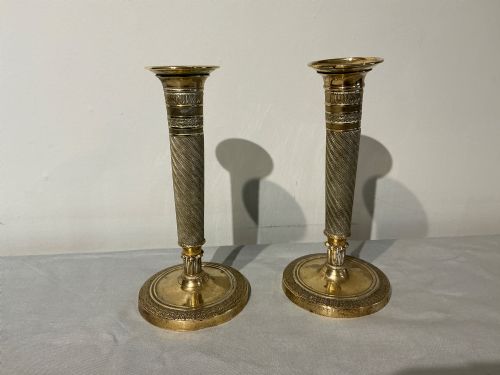
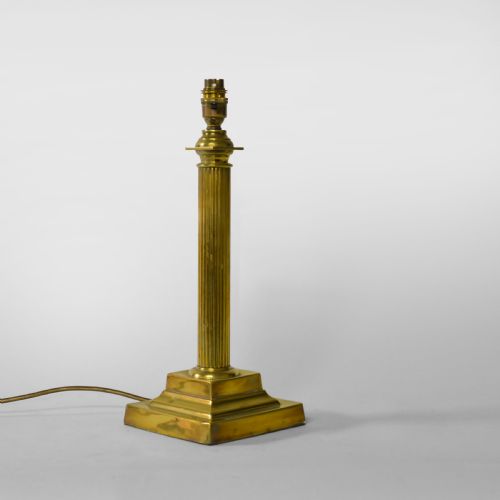
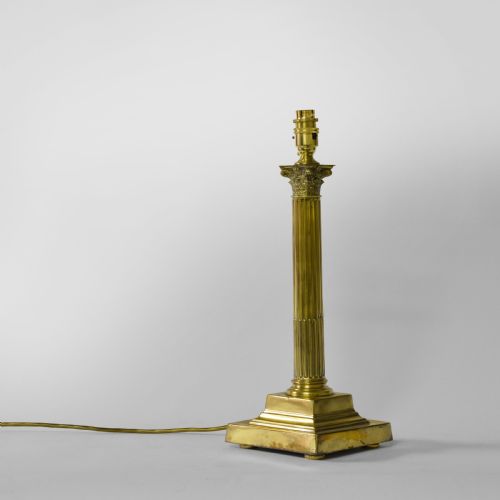
The most common versions you will meet on this page are columnar forms, such as Corinthian and ionic column lamps, alongside altar candlesticks adapted for lighting. They rely on sheer mass and robust metal casting to stay firmly in place on a desk or table.
How they were made
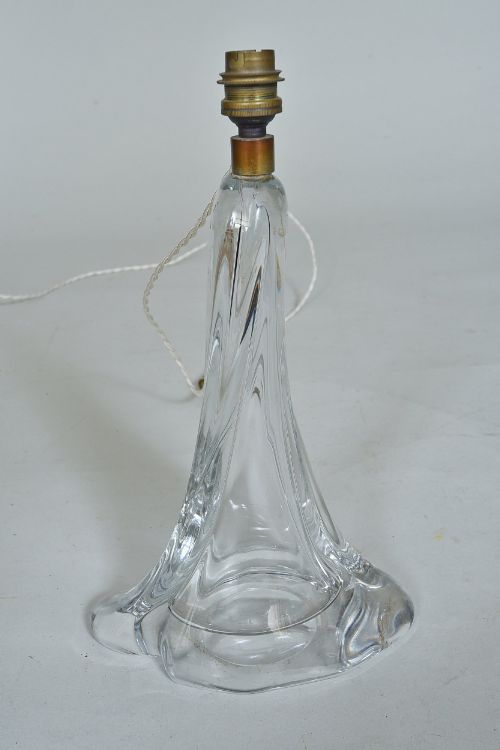
Maker workshops cast these bodies in heavy brass, often combining them with polished marble bases or incorporating cut glass reservoirs for added heft and visual contrast. Metalwork techniques of the period involved detailed turning and chasing to define classical capitals and Gothic tracery.
Lighting assemblies frequently incorporate fabric or silk fringe shades, paired with traditional wiring or original burner mechanisms depending on whether the piece began life as an oil lamp or a candle holder.
Heavy Brass Desk Light Retail Price Guide 2026
Typical asking prices for heavy brass desk light among the pieces listed under this phrase on Sellingantiques today, from the lower quarter to the upper quarter. They describe what is for sale here now, not the wider market.
Current listings span the nineteenth and early twentieth centuries, featuring Gothic Revival, Neoclassical, and Georgian styles rendered in brass, marble, and cut glass.
What varies in quality
The distinction between a standard piece and a superior example lies in the crispness of the casting and the depth of the chasing on details like column capitals. Heavier gauge metal and integrated marble or cut glass components elevate the overall substance of the object.
Proportion and architectural fidelity dictate the visual success of revival styles, where accurately rendered classical orders command greater attention than simplified commercial adaptations.
The Heavy Brass Desk Light Glossary
- Corinthian column
- A classical architectural order featuring an ornate capital decorated with acanthus leaves, frequently utilised on Victorian lamp bases. It provides a formal, decorative vertical support.
- Gothic Revival
- A nineteenth-century style drawing inspiration from medieval ecclesiastical architecture, showing pointed arches and heavy tracery. Pieces in this style often use dark brass and austere lines.
- Ionic column
- A classical column style distinguished by twin scroll shapes known as volutes on the capital. This form brings a lighter, more balanced classical proportion to desk lighting.
- Cut glass
- Glass decorated by grinding facets or patterns into the surface using a wheel, adding weight and sparkle to lamp reservoirs. It catches the ambient light effectively when the lamp is unlit.
Heavy Brass Desk Light: Frequently Asked Questions
How do I wire an old brass lamp?
Rewiring typically involves threading modern heat-resistant flex through the central brass channel and attaching a certified lamp holder that suits contemporary safety standards.
Many collectors retain older brass components while updating the internal wiring to ensure safe daily use on a modern desk.
Are these lamps stable enough for a busy desk?
The substantial mass of nineteenth-century brass castings and marble bases provides exceptional physical stability during everyday use.
Their heavy construction prevents accidental tipping, making them well-suited for practical workspace environments.
How do I identify a Victorian column lamp?
Victorian column lamps usually feature cast brass shafts styled after classical architectural orders like Corinthian or ionic columns, often mounted on stepped square bases.
Inspect the metal joints and casting seams for the hand-finished touches typical of nineteenth-century foundry work.
Can I clean polished brass safely?
Gentle dusting with a dry microfibre cloth removes surface particles without disturbing the underlying metal finish or antique patina.
Avoid abrasive metal polishes unless you prefer a bright, reflective shine over the aged surfaces developed over decades.