



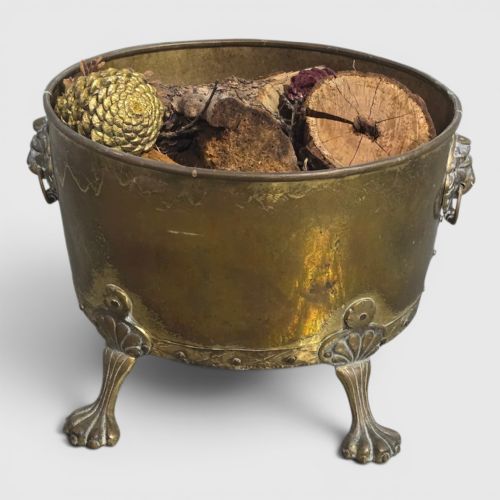


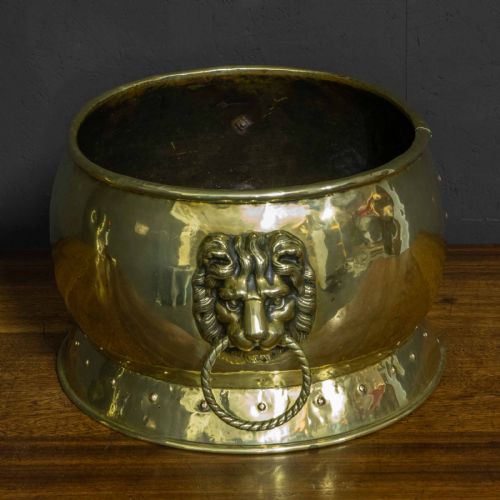
Heavy Brass Coal Bucket
These heavy brass coal bucket pieces are robust fireside vessels that bring both utility and warm metallic polish to a hearth.
Heavy Brass Coal Bucket
A heavy brass coal bucket is a sturdy domestic container designed to hold solid fuel for a fireplace, most frequently encountered in robust Victorian and nineteenth-century forms. Buyers seeking these items will find variations that double as log bins, planters, and cauldrons alongside traditional scuttles and helmets. The selection ranges from plain metal vessels to heavily decorated examples bearing Anglo-Indian or Indo-Persian influences.
The objects span several distinct periods from the mid-nineteenth century through the art deco era of nineteen thirty. Alongside brass, pieces often incorporate copper and iron, reflecting the utilitarian demands of coal fires in large period rooms. These vessels serve equally well beside modern hearths as practical log holders or decorative storage.
How they were made
The construction of these pieces relies heavily on durable sheet brass and copper, frequently paired with iron handles and fixings for structural strength. Makers shaped these metals through beating, casting, and joining techniques to create rigid buckets, cauldrons, and coal helmets.
Many examples showcase specialist decorative treatments such as dinanderie work or intricate surface chasing seen in Anglo-Indian pieces. These methods combine structural metalwork with decorative artistry, ensuring the vessels could withstand heavy daily use by the hearth.
Heavy Brass Coal Bucket Retail Price Guide 2026
Typical asking prices for heavy brass coal bucket among the pieces listed under this phrase on Sellingantiques today, from the lower quarter to the upper quarter. They describe what is for sale here now, not the wider market.
Listings feature items spanning the Victorian era, nineteenth century, and nineteen thirty art deco period.
What varies in quality
Quality in these items is largely defined by the thickness of the metal gauge and the integrity of the original construction. Substantial weight, robust swing handles, and secure riveted or hammered joints distinguish superior examples from lighter utilitarian wares.
Artistry in the decorative surface work also sets pieces apart, from simple nineteenth-century brass pails to detailed art deco cauldrons and decorated campaign vessels. Finer items exhibit careful proportion, clean lines, and balanced ornamentation that elevate them beyond standard utility.
William Soutter And Sons
The Heavy Brass Coal Bucket Glossary
- Coal scuttle
- A container designed specifically for holding and transporting coal to a fire, often featuring a shaped mouth or a hinged scoop.
- Cauldron
- A round metal vessel with a rounded base and swing handle, frequently utilised for holding logs or heavy fuel.
- Dinanderie
- A term for various objects made of brass, copper, or bronze, particularly applied to decorative metalware from specific historical traditions.
- Log bin
- A large bucket or vessel used for storing firewood beside a hearth, often sharing forms with coal buckets and copper pails.
- Campaign bucket
- A portable metal vessel originally designed for travel or military use, typically fitted with sturdy handles for transport.
Heavy Brass Coal Bucket: Frequently Asked Questions
What is a heavy brass coal bucket used for?
These vessels were originally made to store and carry coal for domestic fireplaces.
Today, they serve equally well beside modern hearths as functional log holders or decorative planters.
How do I clean a brass coal bucket?
Standard metal care involves removing dust with a soft cloth and occasionally applying a gentle brass cleaner if you prefer a polished finish.
Many owners prefer to leave the aged patina untouched to preserve the historic character of the metal.
Are these buckets heavy?
Yes, these pieces are constructed from thick gauge brass, copper, and iron, giving them substantial weight.
This robust build ensures they remain stable when loaded with heavy logs or coal.
How do I tell Victorian pieces apart?
Victorian examples often feature distinct helmet shapes, swing-handled cauldrons, or heavy brass pails dating from the nineteenth century.
Stylistic cues like Anglo-Indian chasing or plain utilitarian construction help distinguish different periods and origins.