



Heals Wooden Furniture
Heals wooden furniture brings clean lines and honest craftsmanship into a room, offering both utility and enduring design.
Heals Wooden Furniture
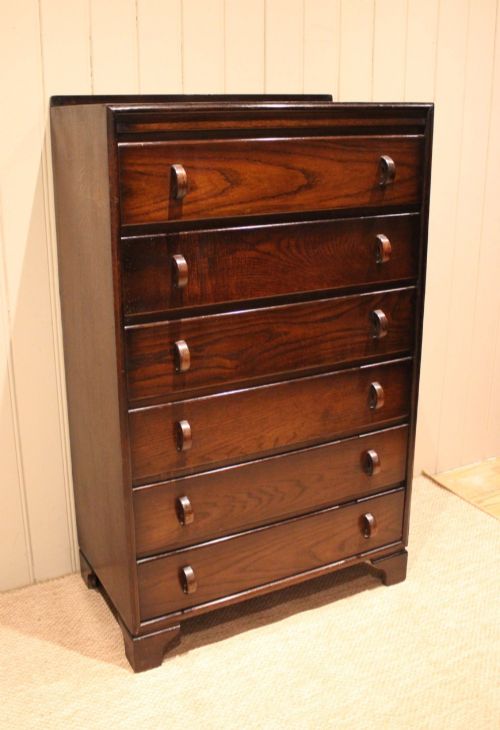
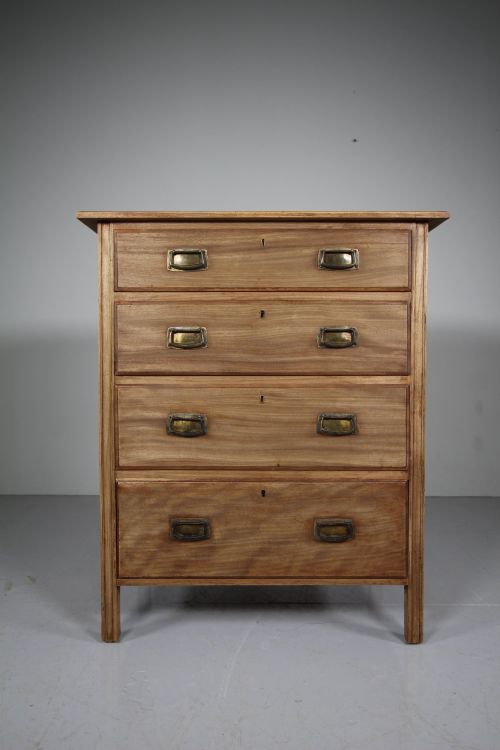
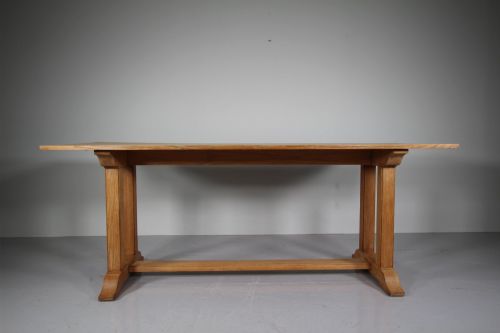
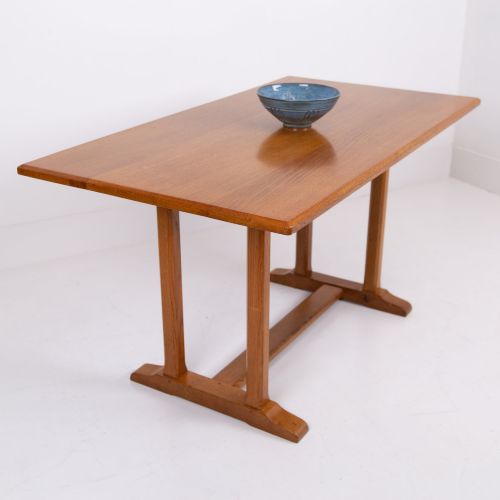
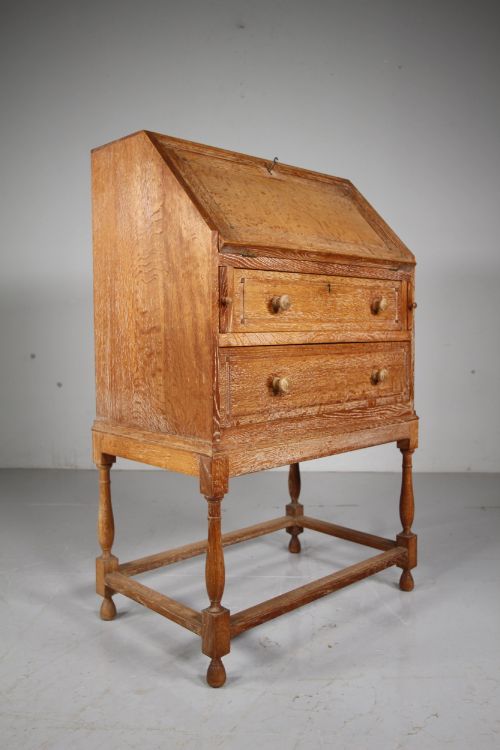
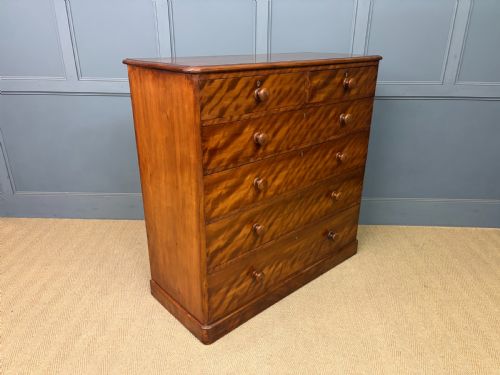
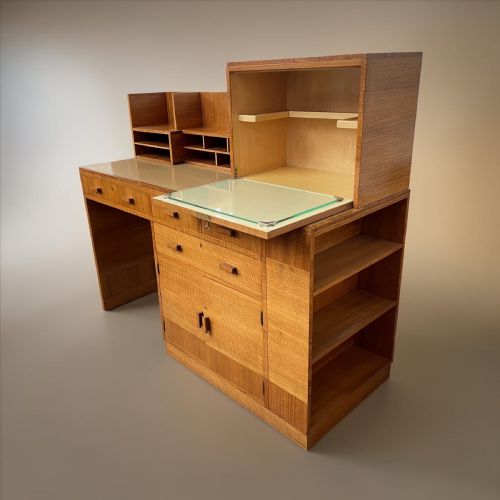
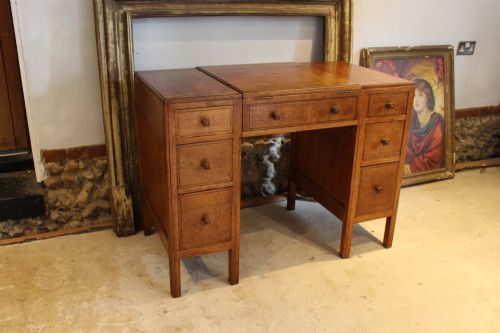
When searching for heals wooden furniture, you encounter practical domestic pieces ranging from chests of drawers and writing bureaux to dining tables and single beds. These items originate from various periods including Victorian, Edwardian, and the 1930s, reflecting changing domestic needs over a century.
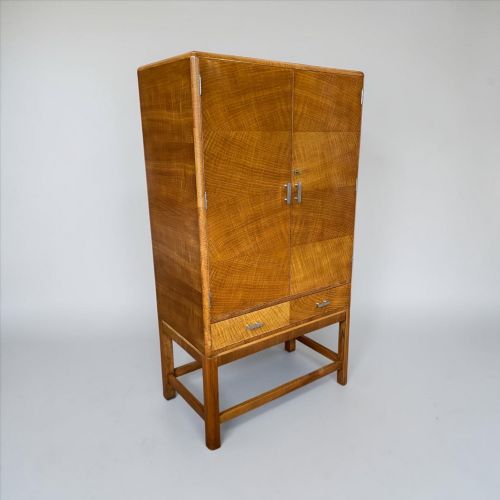
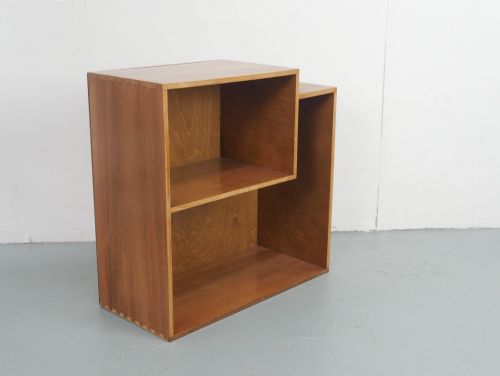
The version most commonly met on this page is oak furniture from the early twentieth century, often featuring limed finishes or straightforward panel construction. Alongside these, distinct Art Deco desks, tallboys, and coffee tables appear, marking the firm's evolution through twentieth-century design styles.
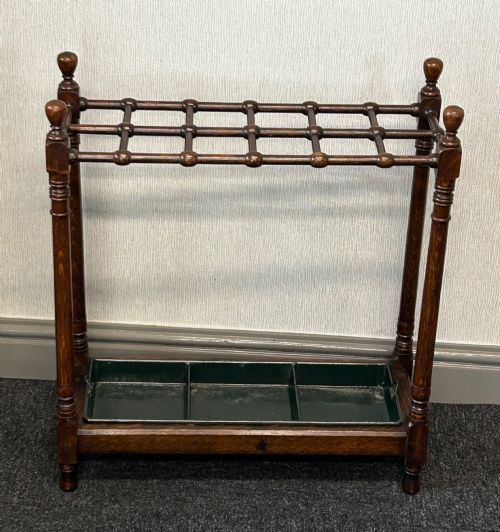
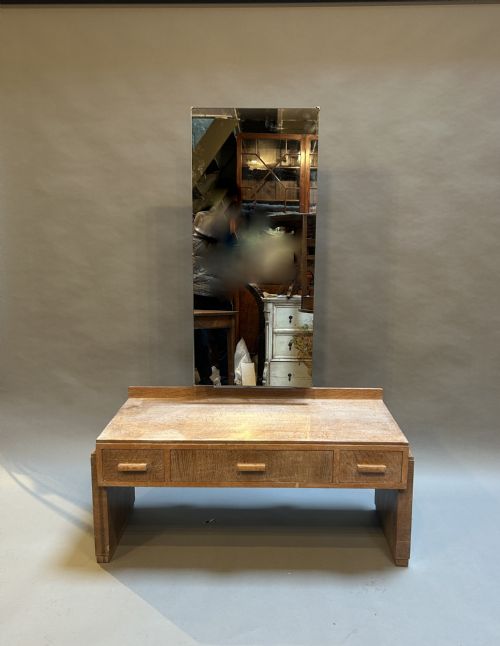
Utility pieces such as dressing chests, umbrella stands, and bedside cabinets also feature prominently among the offerings. Many retain maker labels, stamps, or retail attributions linking them directly to the London firm.
Distinctions in quality
The presence of original maker labels, stamps, or distinct retailer marks elevates a piece by confirming its origin. Labeled bureaux, stamped bedside cabinets, and pieces by named designers like Arthur Reynolds carry stronger documentary interest.
Material selection and surface finish define the tier of a piece, with carefully limed oak surfaces or finer walnut and satin walnut veneers distinguishing superior examples from standard utility items. The integration of metal fittings, such as brass handles and iron details, also reflects the grade of manufacture.
Heals Wooden Furniture Retail Price Guide 2026
Typical asking prices for heals wooden furniture among the pieces listed under this phrase on Sellingantiques today, from the lower quarter to the upper quarter. They describe what is for sale here now, not the wider market.
Listings span the nineteenth and twentieth centuries, featuring periods from Victorian and Edwardian up to 1930s British design.
Heal & Son·Heals of London·Arthur Reynolds
The Heals Wooden Furniture Glossary
- Limed oak
- A wood treatment that leaves a white pigment in the open pores of the oak grain. This finish became particularly popular for twentieth-century modern and Arts and Crafts interiors.
- Tallboy
- A tall chest of drawers, often combining a wardrobe section or smaller drawers atop a larger chest. It provides vertical storage capacity for bedrooms.
- Refectory table
- A long dining table traditionally used in communal halls but adapted for domestic dining. Examples are constructed from sturdy timbers like oak and elm.
- Bureau
- A desk featuring a sloping hinged writing flap that conceals small interior pigeonholes and drawers. It combines a writing surface with enclosed storage.
- Caned
- A technique where woven rattan or cane forms panels for seating or furniture inserts. This method adds a light, textured element to bed frames and nursery furniture.
Heals Wooden Furniture: Frequently Asked Questions
How do I spot an original label?
Original paper labels or direct stamps usually appear inside drawer linings, on the backs of cabinets, or underneath table tops. They display the specific trading names used by the firm across different decades.
Examining the typography and placement helps confirm whether the mark belongs to the Edwardian period or later twentieth-century production.
What is limed oak?
Limed oak is a wood finishing technique that deposits a whitish pigment into the open grain of the timber. This treatment lightens the appearance of heavy oak while emphasising its natural texture.
It became a defining look for modernist and light-filled interior schemes during the interwar years.
Are these pieces suitable for daily use?
These items were built for everyday domestic environments, utilising durable hardwoods like oak, elm, and mahogany. Their robust joinery allows them to function reliably as working desks, dining tables, and bedroom storage.
Routine care and sensible placement away from direct heat sources help preserve their structural integrity.
How do Arts and Crafts styles differ from Art Deco pieces?
Arts and Crafts pieces emphasise visible construction, traditional joinery, and the natural grain of solid timber like oak. They prioritize honest craftsmanship over applied ornament.
Art Deco items introduce streamlined silhouettes, geometric forms, and different veneers such as walnut, reflecting a shift toward modern industrial design.