



Hanging Spice Storage
These wall cabinets and spice cupboards offer practical storage, combining period timber and compact design to keep culinary goods close at hand.
Hanging Spice Storage
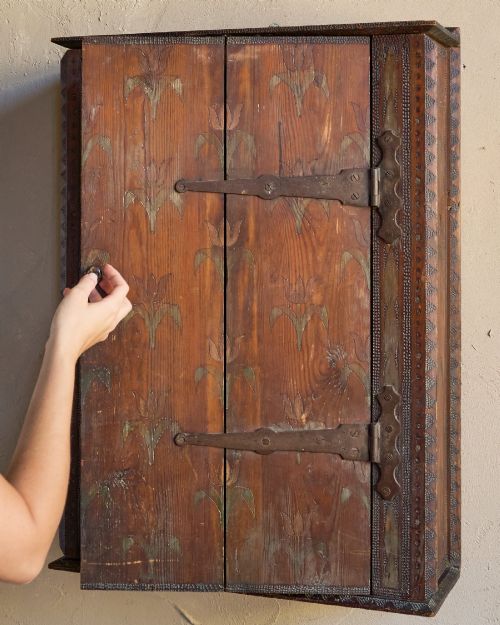
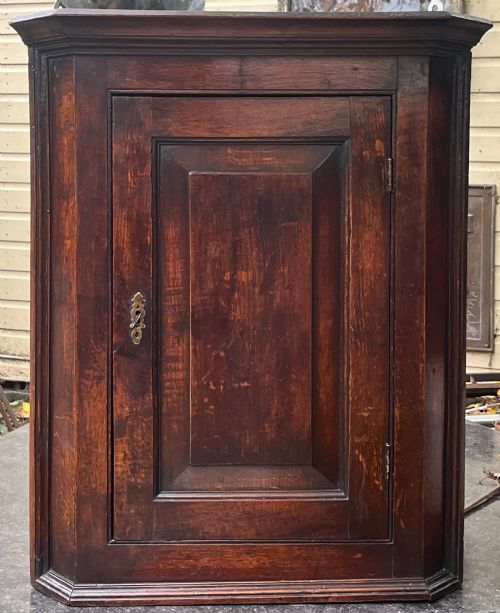
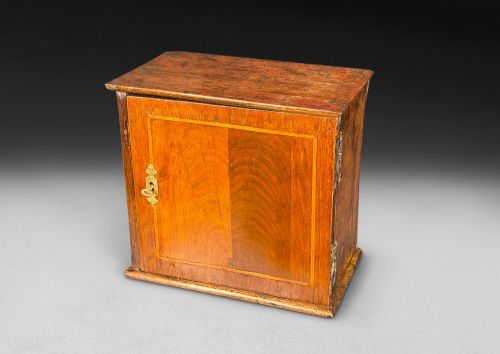
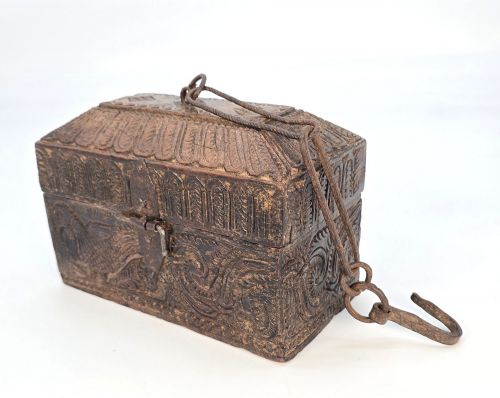
When you search for hanging spice storage, you encounter compact wall cabinets and spice cupboards designed to hold provisions in domestic settings. These pieces range from early provincial examples to decorative painted cupboards, serving both utilitarian and display purposes.
The versions you are most likely to meet on this page hail primarily from the eighteenth and nineteenth centuries, spanning Georgian and Victorian country aesthetics. Oak and pine dominate the selection, often taking the form of wall-mounted boxes or small cupboards fitted with internal shelving and drawers.
Origin and regional style vary widely, encompassing English provincial pieces alongside Continental Baroque, Scandinavian country painted pine, and carved Indian teak. Each iteration reflects local timber supplies and domestic customs of its period.
How they were made
Carpenters utilised solid hardwoods and softwoods such as oak, pine, fruitwood, and teak, shaping them into sturdy enclosures for domestic walls. Construction methods relied on traditional joinery to build door frames, hanging panels, and small internal compartments.
Metalwork played a functional role, with iron and brass hinges and latches securing doors and lids. Surface treatments ranged from natural waxed finishes on grain-rich oak to painted surfaces on Scandinavian pine.
Hanging Spice Storage Retail Price Guide 2026
Typical asking prices for hanging spice storage among the pieces listed under this phrase on Sellingantiques today, from the lower quarter to the upper quarter. They describe what is for sale here now, not the wider market.
Materials span oak, pine, teak, fruitwood inlay, brass, iron, and wrought iron.
What varies in quality
The refinement of the timber and joinery sets the baseline for quality across these pieces. Fine-grained oak cabinets with precise panel construction and fruitwood inlay sit at a different level from utilitarian pine storage boxes.
Hardware and carving detail also distinguish the range, from plain iron fastenings on provincial cupboards to elaborate Continental Baroque moulding or carved Indian teak panels. Original surfaces and intact internal drawers elevate the character of a piece.
The Hanging Spice Storage Glossary
- Spice cupboard
- A small wall-mounted cabinet specifically designed with internal shelves or drawers to store culinary spices and dried goods safely. These pieces usually feature a single hinged door secured with a small latch.
- Wall cabinet
- An enclosed piece of furniture built to hang directly on a wall rather than stand on the floor. They save valuable kitchen space while keeping contents dust-free.
- Fruitwood inlay
- A decorative technique where contrasting light and dark fruitwood pieces are inserted into recesses in the primary timber surface. This creates geometric or floral patterns.
- Provincial
- A term describing items made in the regions outside a capital city, often displaying local traditions and simpler construction rather than courtly fashions.
- Continental Baroque
- An ornate European style from the seventeenth and eighteenth centuries characterised by dramatic carved details, bold moulding, and dynamic visual movement.
Hanging Spice Storage: Frequently Asked Questions
What woods were commonly used?
Makers relied on timbers that were locally available and durable enough to withstand daily kitchen environments. Oak and pine appear frequently across English and European pieces.
Craftsmen also utilised teak in imported items and added fruitwood inlay for decorative contrast. These materials aged well, developing rich patinas over centuries of handling.
How do I distinguish Georgian pieces?
Georgian spice cupboards often feature clean architectural lines, fielded panel doors, and solid oak construction. Their proportions tend to be balanced and restrained, reflecting the classical design influences of the period.
They may include simple brass H-hinges and small wooden knobs or brass escutcheons. Interior layouts typically focus on straightforward shelving or a combination of a small cupboard above a drawer.
Where should I hang a wall cabinet?
These cabinets suit kitchen walls, dining rooms, or hallways where their compact depth will not obstruct movement. Ensure the wall structure can support the weight of solid timber and its contents before mounting.
Positioning them at eye level allows you to appreciate the carved details, wood grain, and original hardware. They also work well above sideboards or desks as supplementary display space.