





Hanging Open Bookcase
A hanging open bookcase brings practical wall storage and fine timber to small spaces without crowding the floor.
Hanging Open Bookcase
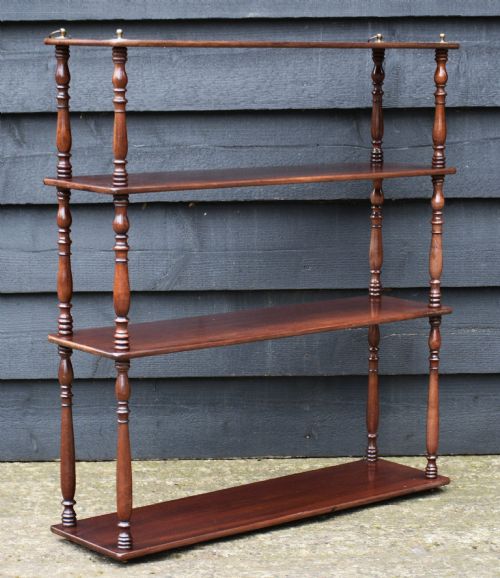
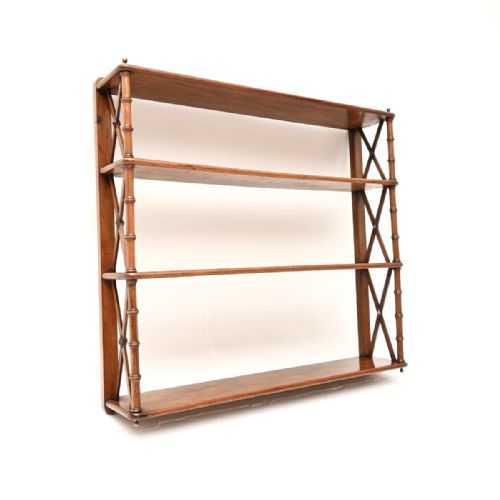
A hanging open bookcase is designed to mount directly onto a wall, keeping books and display items accessible while saving floor space. These pieces appear in forms ranging from simple wall shelves to dedicated bookcases with multiple tiers.
The most common examples on this page date from the nineteenth century and the Georgian period, often constructed in rich timbers like mahogany or walnut. Buyers encounter styles spanning from austere Gothic Revival to inlaid Edwardian designs and graceful waterfall configurations.
Originating as practical furniture for studies, parlours and bedrooms, these wall-mounted units serve equally well in modern homes for displaying books, ceramics and small collections. Their open fronts distinguish them from enclosed cabinets, prioritising visibility over protection.
Materials and construction methods
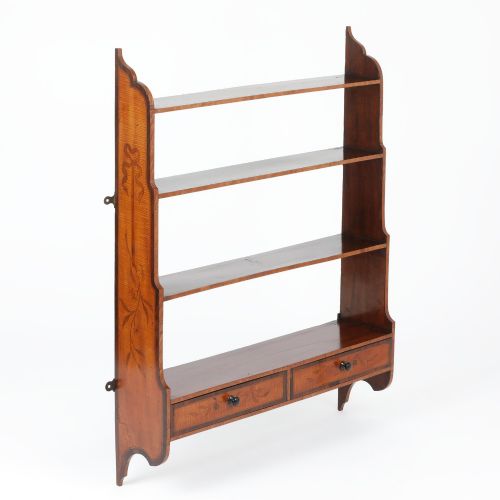
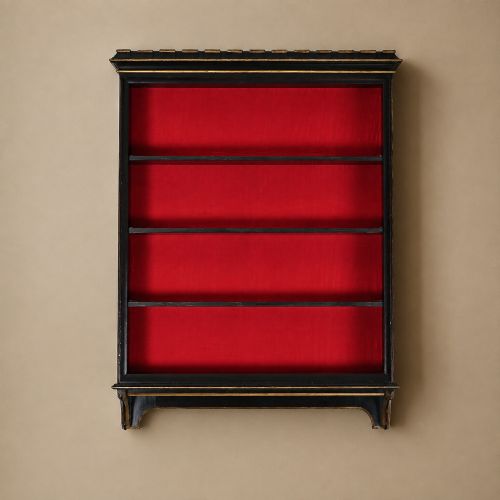
Makers relied heavily on dense hardwoods such as mahogany and walnut, occasionally turning to satinwood, rosewood, satin birch and cherry wood for distinctive grain patterns and lighter tones. Painted wood and ebonised timber also appear, offering alternative aesthetic finishes suited to specific period tastes.
Structural integrity depended on sturdy backboards and secure fixing points capable of supporting the weight of heavy volumes. Decorative elements frequently included brass fittings, subtle inlay work, and architectural carvings reflective of Georgian, Victorian or Arts and Crafts movements.
Hanging Open Bookcase Retail Price Guide 2026
Typical asking prices for hanging open bookcase among the pieces listed under this phrase on Sellingantiques today, from the lower quarter to the upper quarter. They describe what is for sale here now, not the wider market.
Some Victorian shelves come with secret compartments hidden behind the lower frieze for stashing clandestine love letters or spare pocket watch keys.
Assessing craftsmanship and proportion
Quality in a hanging open bookcase rests on the harmony of its proportions and the selection of the timber. Finer pieces display carefully chosen grain alignments on the shelves and back panels, whereas simpler utilitarian versions rely on plain pine or secondary woods.
Joinery standards distinguish standard workshop pieces from superior examples, particularly in the cutting of shelf supports and the attachment of hanging brackets. Details such as delicate mouldings, period brass fixings and thoughtful inlay elevate a piece from basic storage to decorative woodwork.
George Edmund Street
The Hanging Open Bookcase Glossary
- Waterfall bookshelves
- Shelves that step back progressively in size from bottom to top, creating a cascading profile.
- Gothic Revival
- A nineteenth-century style drawing inspiration from medieval architecture, characterised by pointed arches and robust framing.
- Ebonised timber
- Wood treated with a chemical stain or finish to imitate the dense, dark appearance of ebony.
- Inlay
- A technique where contrasting woods or materials are set into the surface of a piece to create decorative patterns.
Hanging Open Bookcase: Frequently Asked Questions
What periods do these bookcases come from?
The selection spans the eighteenth and nineteenth centuries, including Georgian, Regency, William IV, Victorian and Edwardian examples. Each era brings distinct decorative vocabularies and timber preferences.
Victorian and Edwardian versions often feature darker ebonised finishes or delicate string inlay, while Georgian pieces tend to showcase clean lines and figured mahogany.
Are these shelves deep enough for modern books?
Period wall shelves were typically built for the smaller volumes, octavos and bound journals common in past centuries. Standard modern hardbacks may overhang the front edge depending on the specific piece.
Measure your volumes before purchasing if you intend to store large contemporary art books or modern fiction editions.
How should I clean polished mahogany woodwork?
Dust the timber regularly with a soft, dry cloth to prevent accumulation in carved details and joints. Avoid silicone sprays or heavy commercial waxes that can build up a hazy residue over time.
Apply a traditional beeswax sparingly once or twice a year to nourish the wood and maintain a natural, soft lustre.