




Hanging Kitchen Rack
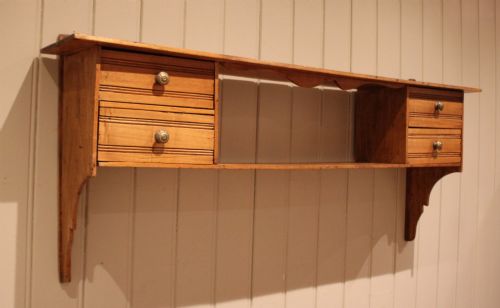
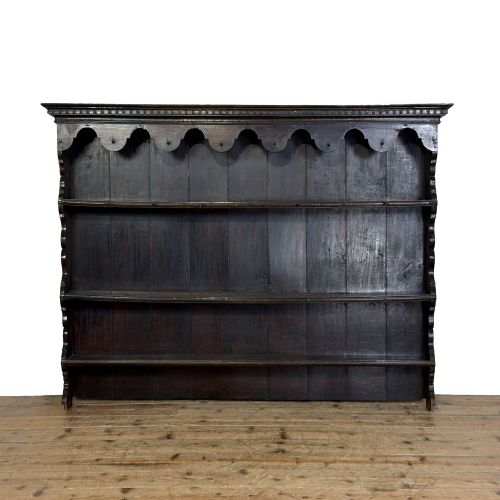
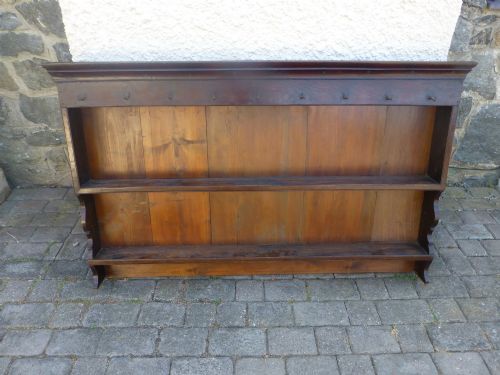
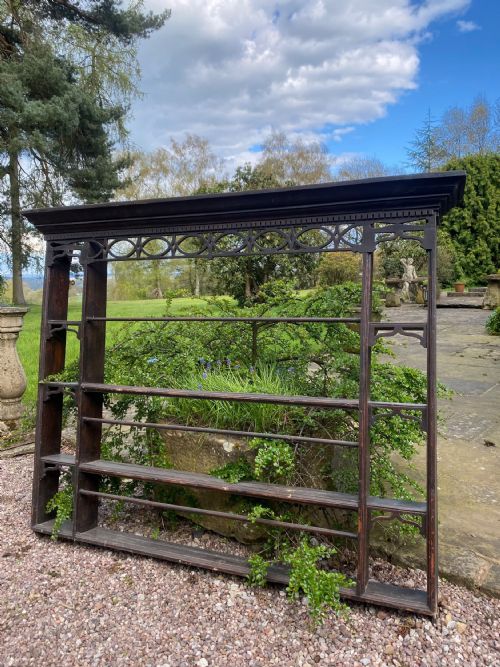
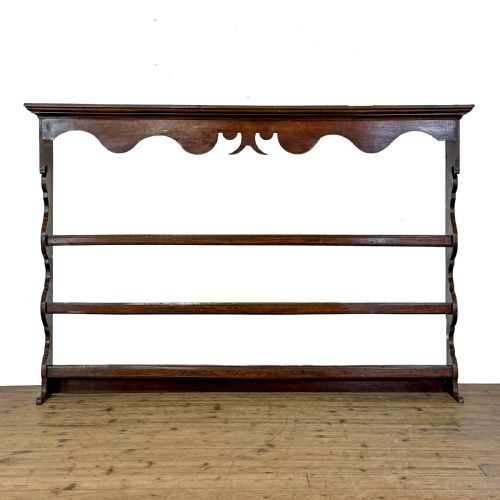
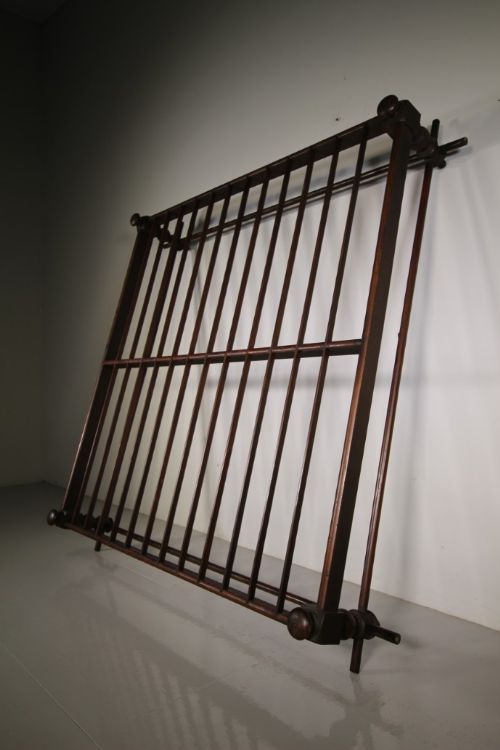
These hanging kitchen rack examples are practical wall-mounted frames designed to store tableware and provisions within easy reach.
Hanging Kitchen Rack
A hanging kitchen rack serves as a utilitarian wall fixture primarily built for domestic storage in domestic spaces. The selection here spans from the eighteenth century into the twentieth century, capturing both Georgian and Victorian eras.
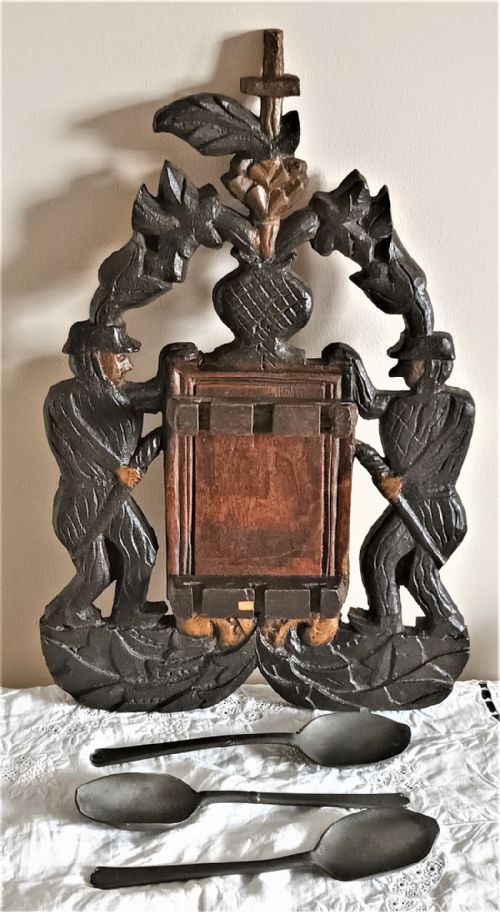
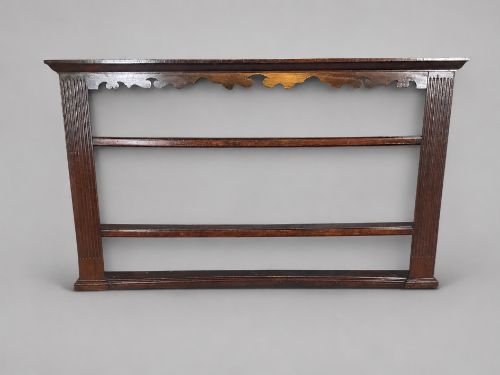
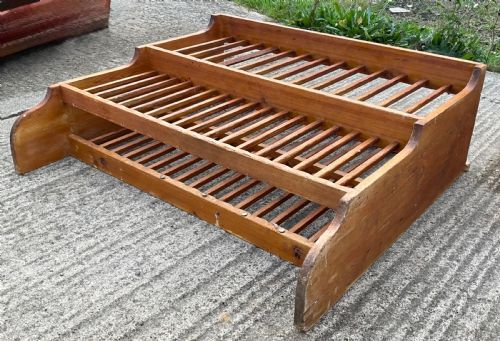
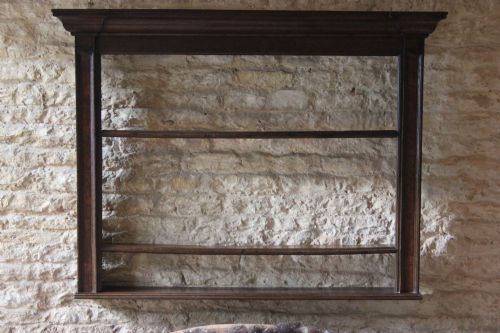
Most pieces encountered on this page take the form of plate racks, wall shelves, and spoon racks designed to hold household items. English country and rustic farmhouse styles dominate the forms, reflecting traditional utilitarian needs.
Buyers frequently encounter oak and pine constructions, alongside painted wood finishes and wrought iron elements. These variations show how rural and urban households solved storage problems using local materials.
How they were made
Carpenters built these pieces using solid timbers like oak and pine, employing traditional joinery such as pegged mortise and tenon joints to bear weight. Surfaces often show plain board construction shaped by hand planes and saws.
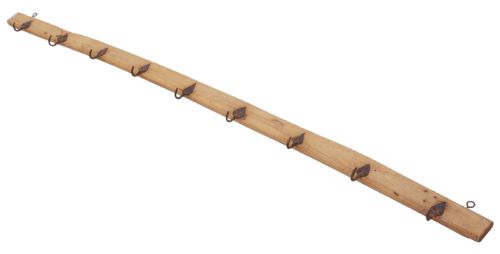
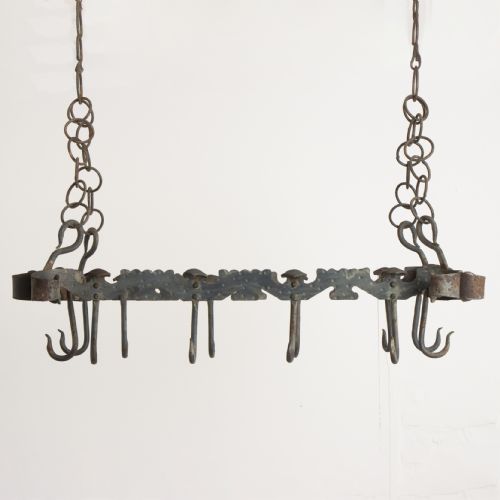
Metal components rely on hand-forged wrought iron or cast iron for hooks, brackets, and game hangers. Painted finishes utilise traditional pigments, as seen on pieces finished in specific historical paint colours.
Hanging Kitchen Rack Retail Price Guide 2026
Typical asking prices for hanging kitchen rack among the pieces listed under this phrase on Sellingantiques today, from the lower quarter to the upper quarter. They describe what is for sale here now, not the wider market.
Some shelves come with enough built-in hooks to make you wonder how many game birds a single Georgian household managed to eat in a week.
What varies in quality
Quality rests upon the selection of timber and the integrity of the original construction rather than surface ornamentation. Finer examples retain their original hanging mechanisms and structural boards without excessive replacement timber.
The sophistication of the joinery and the presence of integrated elements, such as small cupboards or pegged plate rails, distinguish standard utilitarian items from more considered regional pieces.
The Hanging Kitchen Rack Glossary
- Delft plate rack
- A wall-mounted shelving unit specifically designed with narrow ledges and retaining rails to display tin-glazed earthenware plates upright. This form keeps ceramics visible and accessible in working kitchens.
- Trefid spoon
- An early form of dining spoon featuring a flattened, three-lobed terminal handle shape. These spoons frequently appear associated with early oak spoon racks.
- Game hook rack
- A horizontal rail fitted with metal hooks intended for hanging game birds, cured meats, or utensils. These fixtures were essential in rural larders and pantries.
- Spoon rack
- A narrow wall-hanging rack featuring notched slots or shallow display tiers to hold eating spoons safely. They protect silver and pewter flatware from damage while keeping them on view.
Hanging Kitchen Rack: Frequently Asked Questions
How do I hang a heavy oak rack safely?
These wooden fixtures require secure fixing directly into wall studs or masonry using appropriate heavy-duty screws and wall anchors. The substantial weight of oak timber and loaded plates demands robust support.
Professional installation ensures the back frame transfers the load evenly across the wall fixings without pulling away from the plaster.
Were these racks meant for kitchens only?
While primarily utilised in food preparation areas and larders for tableware, similar wall shelves appeared in dining rooms and parlours for display purposes. Smaller spoon racks and display shelves often hung in general living spaces.
Their functional design adapted easily to different domestic rooms depending on the household requirements of the period.
How do I tell an eighteenth-century rack from a later one?
Earlier examples typically display hand-sawn timber marks, pegged joints, and heavy native oak construction without modern metal fasteners. Eighteenth-century pieces often show timber shrinkage and wear patterns consistent with centuries of domestic use.
Later Victorian and twentieth-century versions frequently incorporate pine, machine-sawn components, or different assembly techniques.
How should I clean a painted wooden rack?
Painted surfaces require gentle dusting with a soft dry cloth to prevent accumulation of dirt without disturbing historic paint layers. Avoid harsh chemical cleaners or abrasive scrubbing that can strip the finish.
Periodic application of appropriate wax can help protect unpainted wooden sections while preserving the character of the surface.