



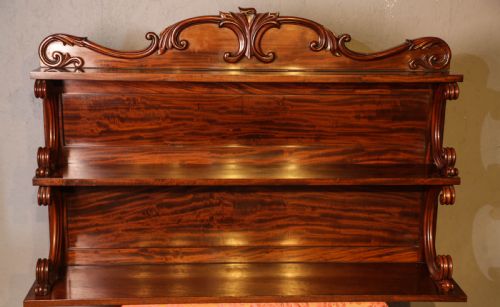

Hanging Display Unit
A hanging display unit mounts securely to the wall to showcase ceramics and books while freeing up floor space.
Hanging Display Unit
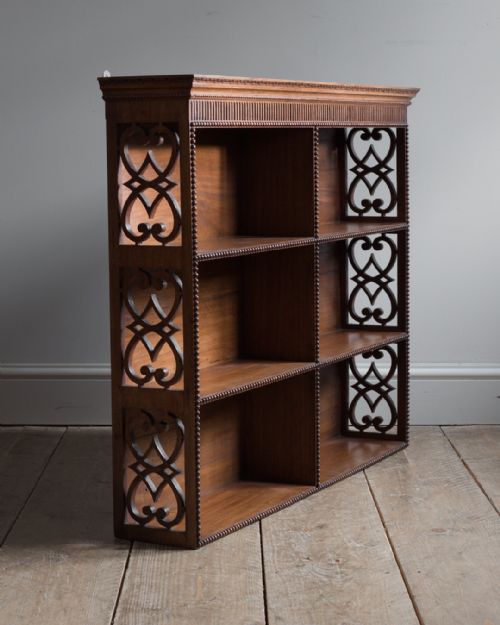
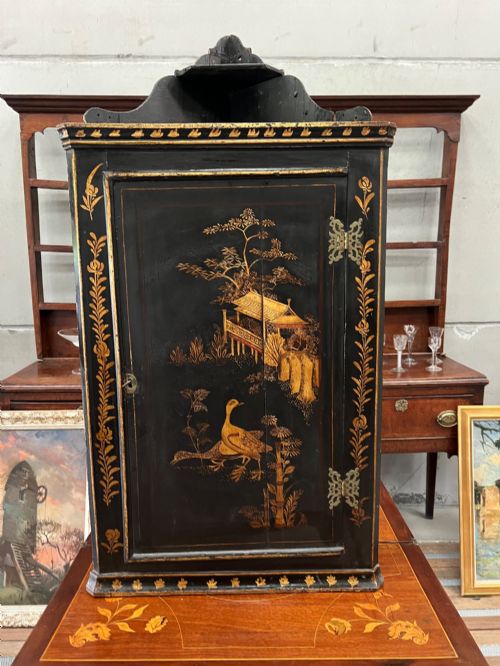
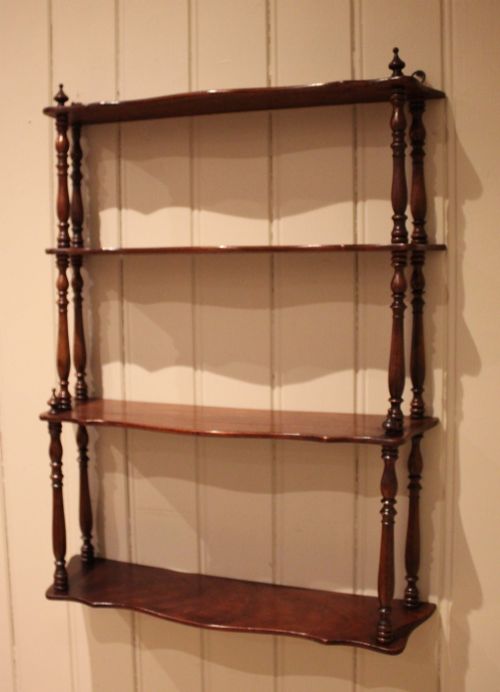
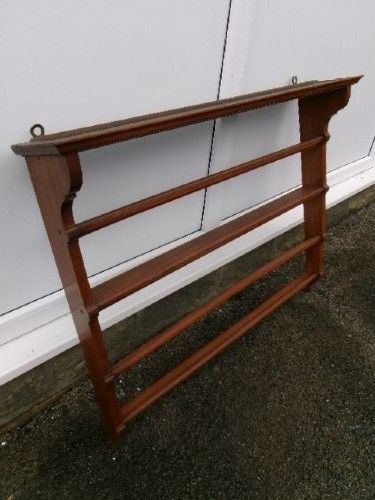
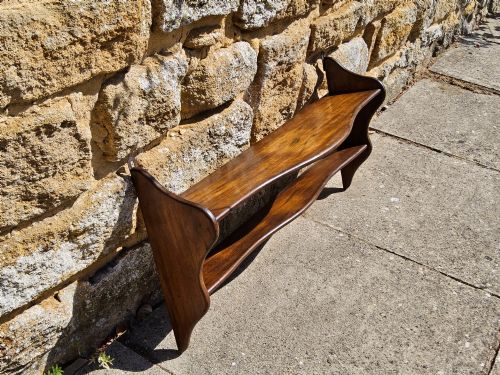
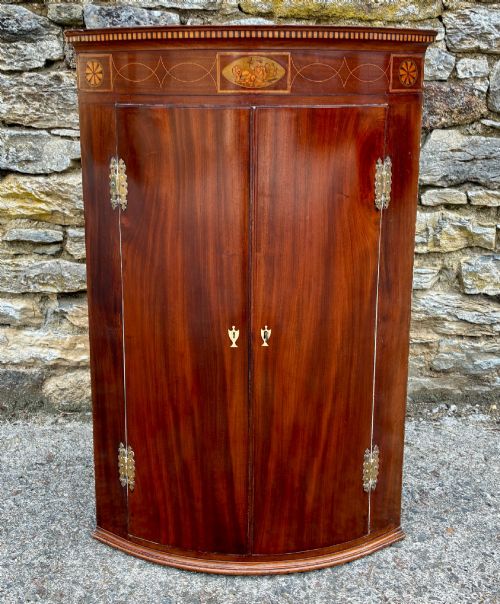
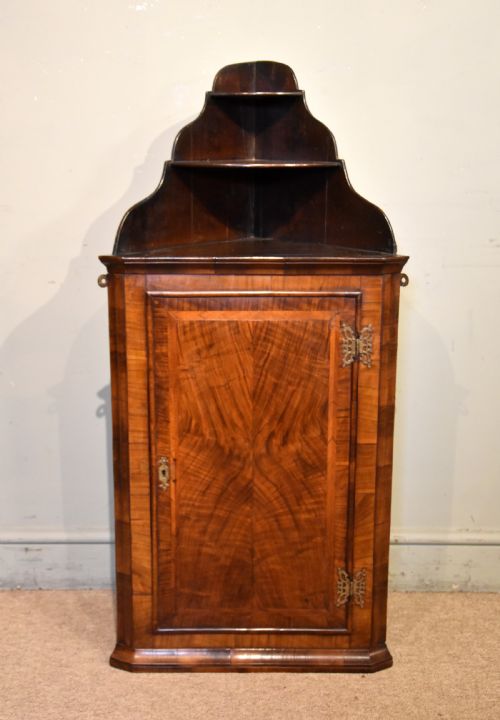
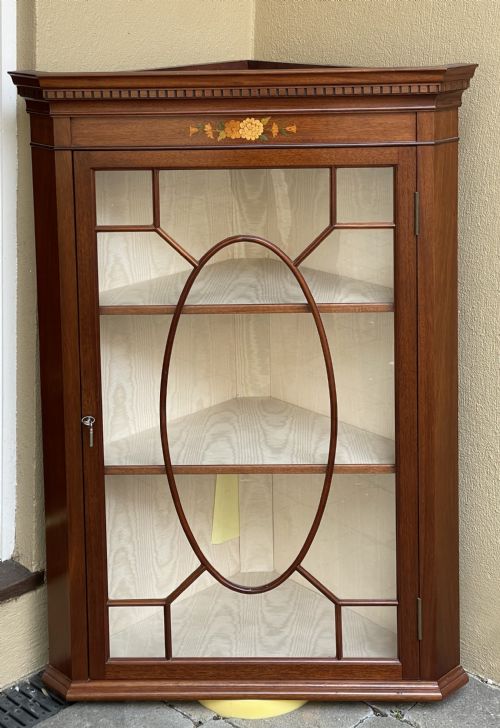
A hanging display unit serves to store and exhibit prized possessions off the floor, taking many forms from open wall shelves to enclosed corner cabinets. You will frequently encounter mahogany and oak examples spanning the Georgian, Victorian, and Edwardian periods.
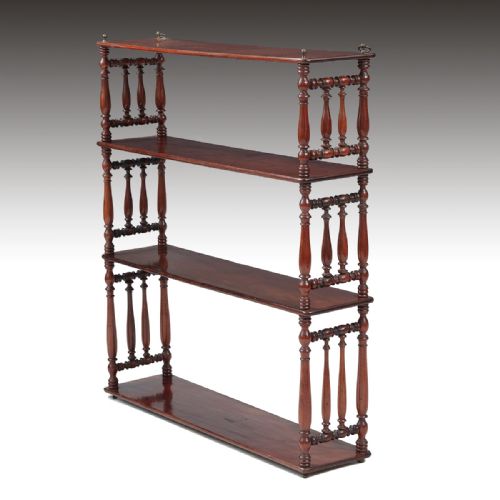
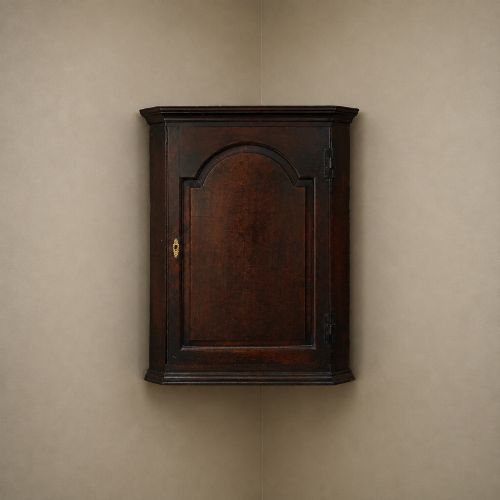
The selection ranges from simple hanging shelf racks to glazed wall cabinets with painted finishes or inlaid woods. Corner cupboards make efficient use of difficult room angles, while open shelves provide immediate visibility for collections.
Materials and Construction Methods
Cabinetmakers utilised durable hardwoods such as mahogany, walnut, and oak to construct these pieces, often incorporating glass panels for display doors. Pine and beech appear in simpler or secondary parts, while painted wood and satinwood offer lighter decorative finishes.
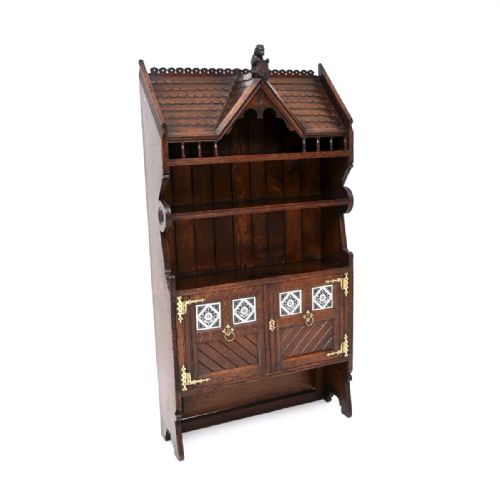
Inlay work, including Sorrento olive wood and geometric stringing, decorates finer surfaces. Carved pediments, broken arch designs, and shaped brackets distinguish more ambitious workshops.
Hanging Display Unit Retail Price Guide 2026
Typical asking prices for hanging display unit among the pieces listed under this phrase on Sellingantiques today, from the lower quarter to the upper quarter. They describe what is for sale here now, not the wider market.
Craftsmanship and Design Standards
The distinction between standard and superior pieces rests on the choice of timber and the precision of the joinery. Finely figured mahogany and burr walnut veneers command greater attention than plain painted softwood.
Proportion and decorative restraint set apart the better examples. Original glass, subtle inlay, and well-executed mouldings elevate a piece far above utilitarian storage.
John Moyr Smith
The Hanging Display Unit Glossary
- Bow front
- A convex curved cabinet front that projects outward. This shape softens room corners and appears frequently in Georgian and later revival furniture.
- Pediment
- The decorative structure crowning the top of a cabinet. Elaborate examples include broken arch designs that draw the eye upward.
- Corner cupboard
- A specialised storage unit built to fit snugly into a ninety-degree room angle. These save space while utilising neglected architectural voids.
- Inlay
- A technique where contrasting woods or materials are fitted into recessations on the surface to create patterns. Satinwood and darker veneers frequently provide this contrast.
Hanging Display Unit: Frequently Asked Questions
What is the difference between open shelves and a corner cupboard?
Open shelves present items directly to the room for easy access and visual display. Enclosed corner cupboards protect contents behind doors while utilising room angles.
Choose open racks for decorative ceramics and cabinets for items requiring dust protection.
How do I identify a Georgian wall cabinet?
Georgian pieces typically display dense mahogany or oak construction with classical proportions, bracket feet, and sometimes broken arch pediments. Look for hand-cut dovetails and period fixings.
Later revival pieces often imitate these characteristics but utilise twentieth-century construction methods.
Where should I place a hanging display unit in a room?
These units perform well above sideboards, desks, or in empty corner spaces that lack floor-standing furniture. Height placement depends on eye level and what you choose to display.
Ensure clearance underneath if placing a unit above other furniture items.