





Hanging Display Frames
These hanging display frames offer a practical way to showcase prized possessions on a wall.
Hanging Display Frames
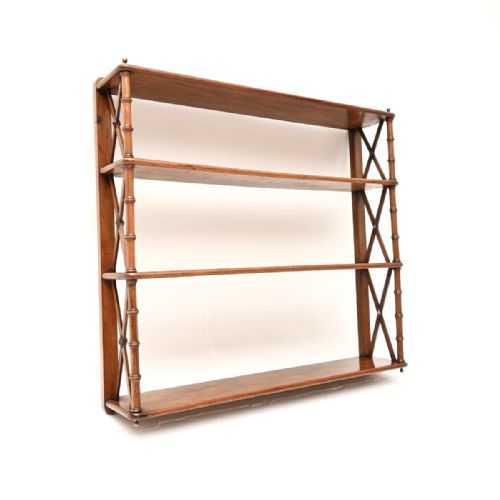
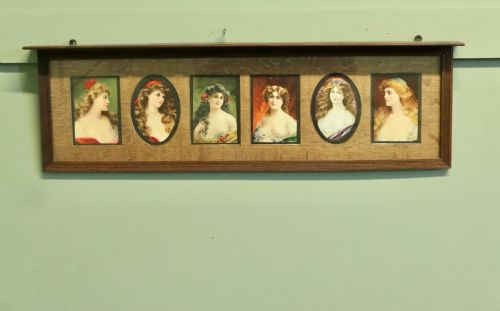
Hanging display frames encompass a diverse selection of wall-mounted storage and exhibition pieces spanning the Georgian, Victorian, Regency, and Edwardian periods. Buyers searching for hanging display frames encounter varied forms such as wall shelves, framed textile art, display cases, and plate racks designed to utilise vertical space.
The materials utilised across these pieces include walnut, mahogany, oak, and brass, often paired with glass to protect the objects contained within. Styles range from French Chateau and Arts & Crafts to Art Deco and Victorian natural history specimens.
Many items serve specialised functions, from housing books and lace samplers to displaying porcelain plates or taxidermy and botanical items like peacock feathers. These wall-mounted pieces bring both utility and decorative focus to interior walls.
How they were made
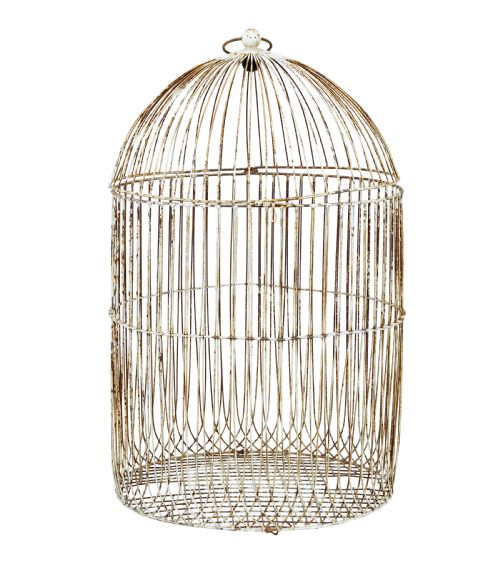
Makers constructed these frames and shelves primarily using traditional timber working techniques with hardwoods such as mahogany, oak, and walnut. Carved and gilded details appear on specialist display cases alongside brass fittings and wire mesh.
Glass panels are integrated to protect delicate contents such as textiles, lace samplers, and framed portraits. Metal components like chrome and brass provide structural support and hanging mechanisms for heavier wall shelves and mirrors.
Hanging Display Frames Retail Price Guide 2026
Typical asking prices for hanging display frames among the pieces listed under this phrase on Sellingantiques today, from the lower quarter to the upper quarter. They describe what is for sale here now, not the wider market.
One unusual item pairs a Chinese soapstone zodiac seal display with an oak Victorian frame.
What varies in quality
Quality in these pieces rests upon the selection of timber and the precision of the joinery used in the frame construction. Finer examples display meticulous carving, gilding, and intact original glass.
The sophistication of the design and the preservation of original contents, such as period textiles or portraits, heavily influence the overall character of the piece. Simpler utilitarian items like plate racks contrast with elaborately inlaid or carved display cases.
The Hanging Display Frames Glossary
- Sampler
- A piece of embroidery or lace produced as a demonstration or test of skill, often framed and hung on the wall. These textile works frequently date from the early nineteenth century.
- Inlaid
- Ornamentation formed by embedding pieces of contrasting wood or other materials into a primary timber surface. This technique appears on Edwardian mahogany wall shelves.
- Gilt
- A thin layer of gold leaf or gold paint applied to wood or other surfaces to give a decorative golden finish. Carved display cases often utilise this treatment.
- Regency
- A British design period spanning the early nineteenth century, characterised by classical motifs and elegant proportions. Pieces from this era often feature clean lines and dark timbers.
Hanging Display Frames: Frequently Asked Questions
What periods do these wall displays cover?
The pieces span the Georgian, Regency, Victorian, and Edwardian eras, extending into the 1920s with Art Deco designs.
Materials range from traditional hardwoods like mahogany and oak to brass, glass, and wire.
How were hanging display shelves used originally?
They were mounted on walls to store books, display decorative objects, or hold collections of plates and natural history specimens.
Enclosed cases also protected delicate items such as lace samplers and portraits from dust.
What materials are commonly found in these frames?
Wood is the primary material, with mahogany, walnut, and oak appearing frequently across the listings. Brass, chrome, glass, and paper are also utilised in various frames and displays.
Some items incorporate specialist elements like wire mesh or soapstone.
How do I identify a Victorian wall display?
Victorian pieces often reflect the eclectic tastes of the nineteenth century, including natural history displays, rich wood tones, and elaborate carvings. They frequently house mounted portraits, feathers, or decorative objects.
Construction methods and timber choices help distinguish them from earlier Georgian or later Edwardian items.