




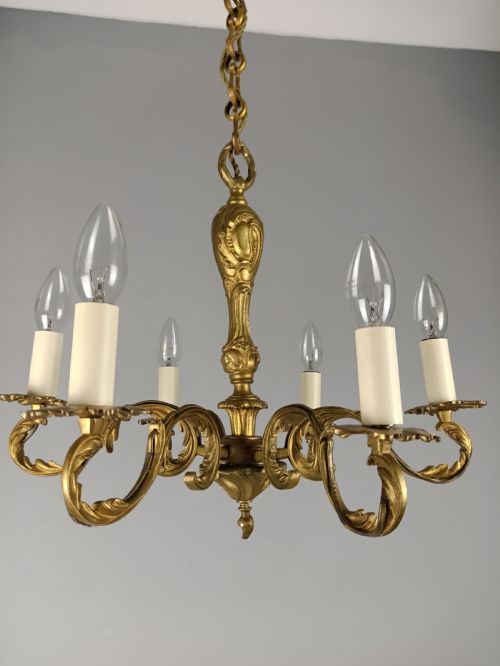
Hanging Candle Style Light
A hanging candle style light brings atmospheric illumination to a room, offering historic character through period metalwork and candelabra forms.
Hanging Candle Style Light
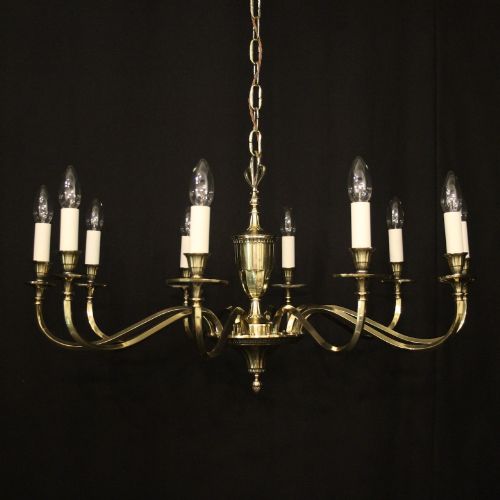
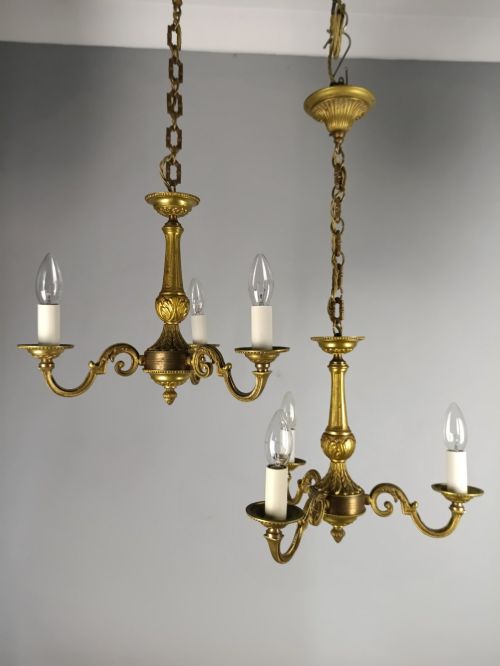
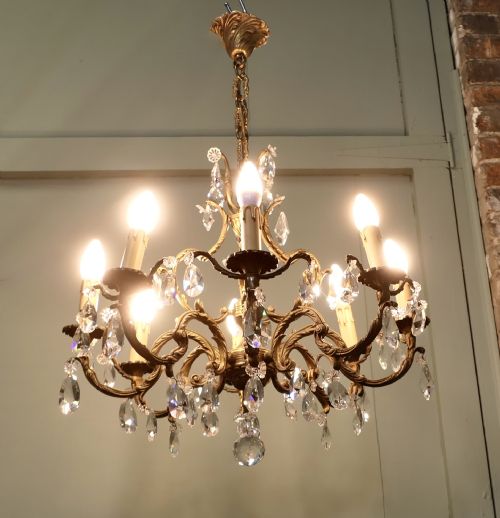
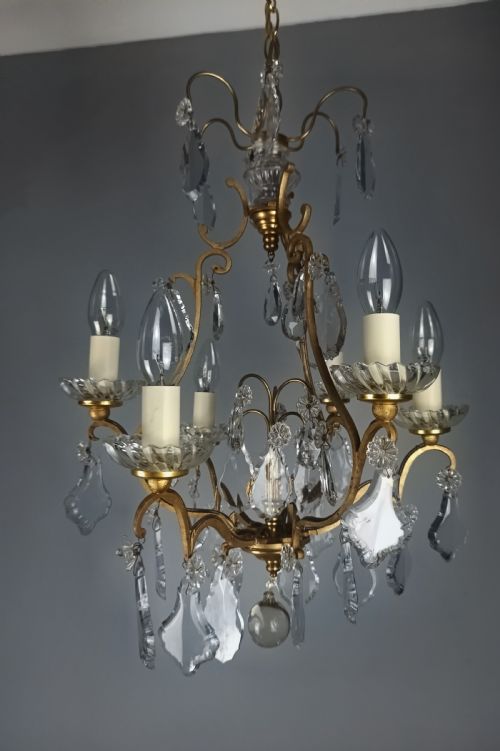
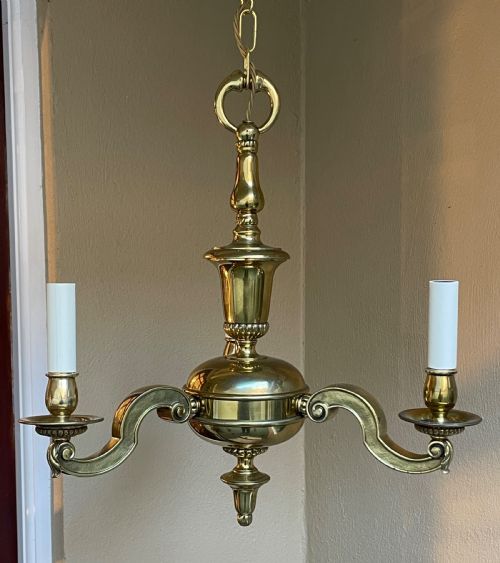
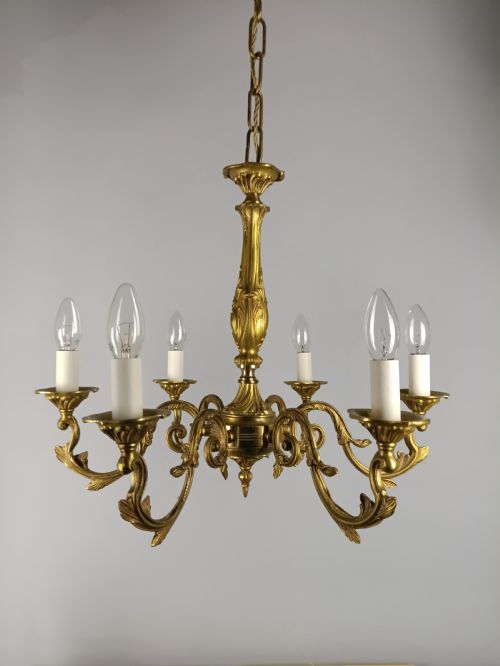
When searching for a hanging candle style light, you encounter chandeliers, ceiling lighting, pendant lights, lanterns, and ceiling lights that evoke the tradition of candle illumination. These fixtures date from the nineteenth century, the Edwardian era, and the early decades of the twentieth century, with French regional styles and revival designs appearing frequently.
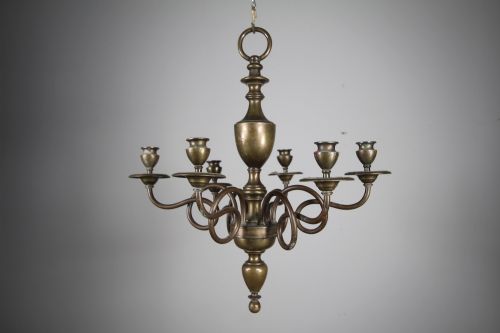
The pieces on this page span styles such as French Chateau, French Neoclassical, Gothic Revival, French Rococo Revival, Dutch Baroque Revival, Flemish Revival, and Italian Neoclassical. You will find multi-branched fixtures alongside single or multi-light lanterns designed for suspension from ceilings in halls and reception rooms.
How they were made
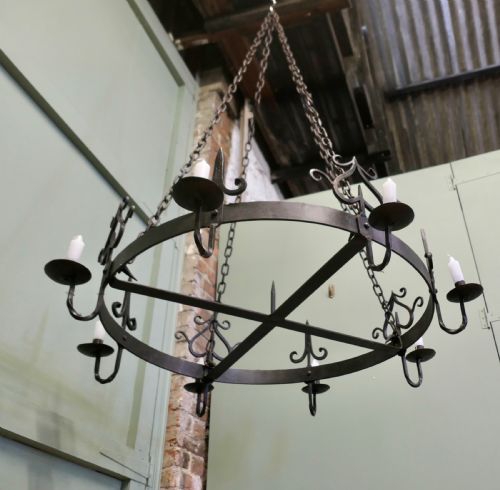
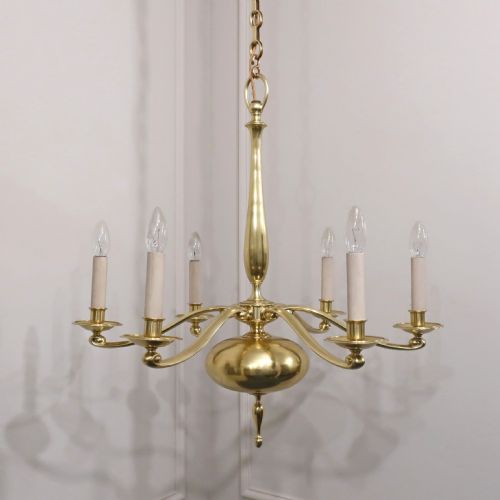
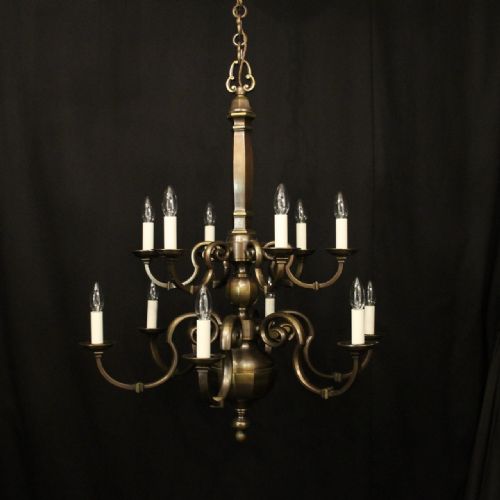
Construction relies heavily on cast and wrought metals including brass, gilded brass, gilt brass, bronze, silver bronze, copper, steel, and wrought iron. Makers shaped these materials into structural arms, frames, and corona forms that support multiple light branches.
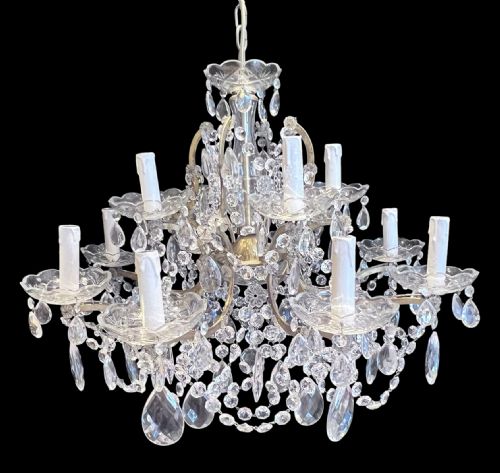
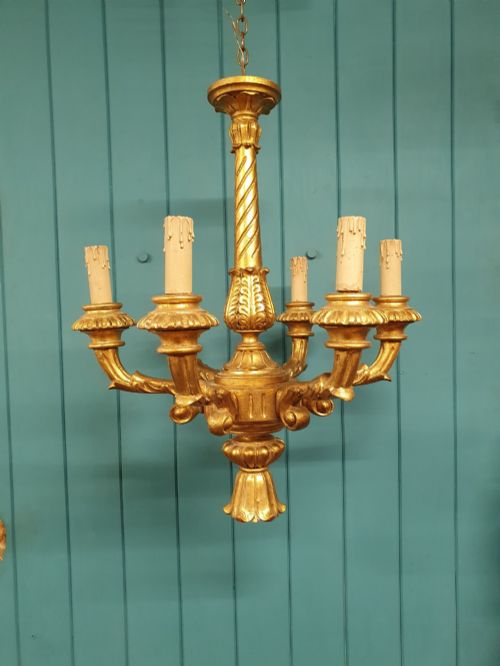
Many pieces incorporate transparent elements, utilising glass, cut glass, and crystal lustres or amber and mauve glass fruits to reflect illumination. Gesso and giltwood also appear in select nineteenth-century examples to provide decorative surface detail.
Hanging Candle Style Light Retail Price Guide 2026
Typical asking prices for hanging candle style light among the pieces listed under this phrase on Sellingantiques today, from the lower quarter to the upper quarter. They describe what is for sale here now, not the wider market.
Some nineteenth-century chandeliers feature glass fruits in amber and mauve, proving that historical lighting designers enjoyed a playful splash of colour overhead.
What varies in quality
The calibre of a hanging candle style light rests upon the density and weight of the metal casting, alongside the crispness of chased or moulded details on the bronze and brass framework. Heavier cast components and refined proportions distinguish superior production from simpler commercial output.
The grade of the glass and crystal ornamentation introduces further distinction, where clarity, depth of cut, and the abundance of crystal lustres enhance the refractive qualities of the fixture. Original surface treatments, whether gilding, silvering, or polychrome finishes, retain a depth that lesser or later interventions lack.
G.E.C
The Hanging Candle Style Light Glossary
- Chandelier
- A branched ceiling-mounted lighting fixture designed to hold multiple light sources. They distribute illumination across larger spaces.
- Lantern
- An enclosed hanging light fixture featuring glazed glass panels within a metal frame. These were traditionally used in halls and corridors.
- Corona
- A circular crown-like metal ring suspended horizontally to hold candles or lamps. This form is common in Gothic revival designs.
- Lustre
- A cut glass or crystal pendant drop suspended from a light fitting. They refract the illumination to increase brightness.
- Ormolu
- Gilt bronze ornamentation applied to decorative metalwork. The technique gives a rich gold-coloured surface finish to bronze components.
Hanging Candle Style Light: Frequently Asked Questions
Where should I hang a large chandelier?
Large multi-branched fixtures suit high-ceilinged entrance halls, principal reception rooms, and dining spaces where their scale commands the room.
Ensure adequate clearance beneath the lowest point of the hanging fixture for foot traffic.
What rooms suit a hanging lantern?
Enclosed glass and metal lanterns function effectively in hallways, vestibules, and stairwells where directional hanging light is required.
Their enclosed structure protects the internal components from drafts in transitional spaces.
How do I identify a Gothic revival light?
Gothic revival pieces draw on medieval architectural motifs, often featuring wrought iron, heavy corona rings, and pointed or cast structural details.
These fixtures frequently display darker metal finishes and austere proportions.
What is the difference between brass and bronze?
Bronze is an alloy of copper and tin, while brass is an alloy of copper and zinc, resulting in distinct weights and surface tones.
Both metals were cast and chased, but bronze typically provides a heavier and more durable framework.