




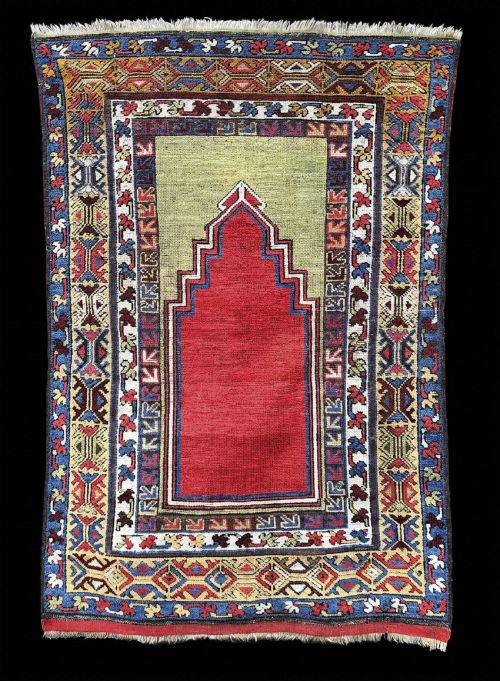


Handwoven Turkish Runner
A handwoven turkish runner brings lasting warmth and pattern to a hallway through decades of village craftsmanship.
Handwoven Turkish Runner
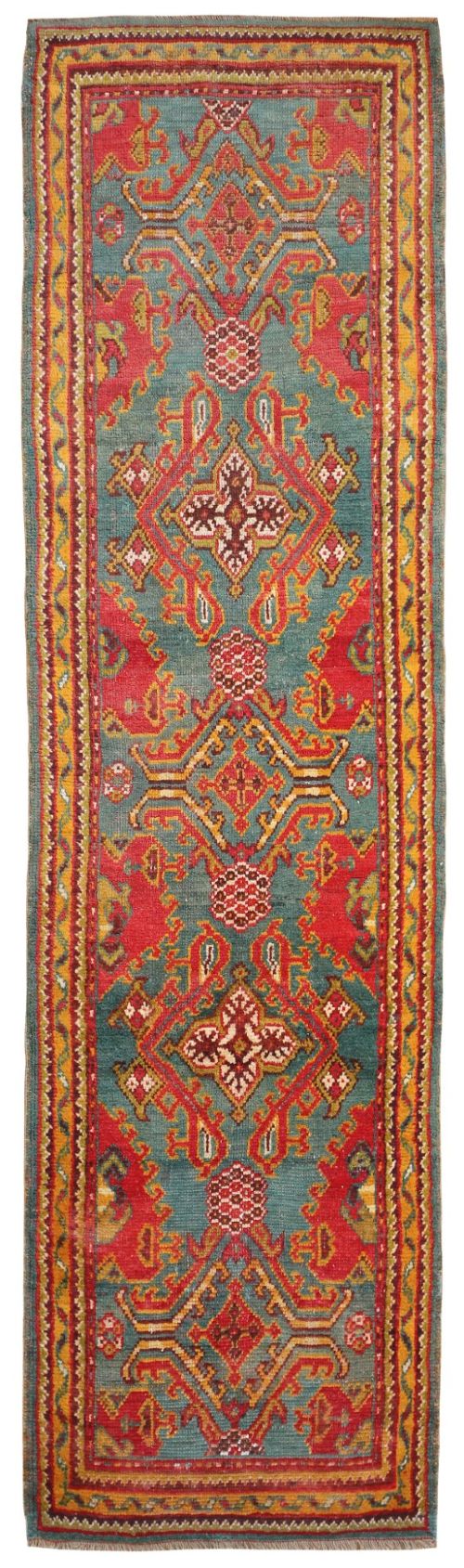
A handwoven turkish runner provides a long, narrow format suited to corridors and stairwells, combining practical floor coverage with regional artistry. These pieces originate from Anatolian weaving traditions that span village workshops and nomadic camps.
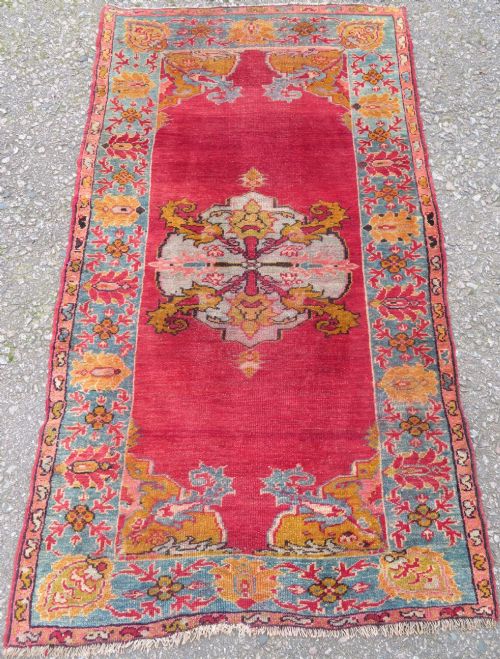
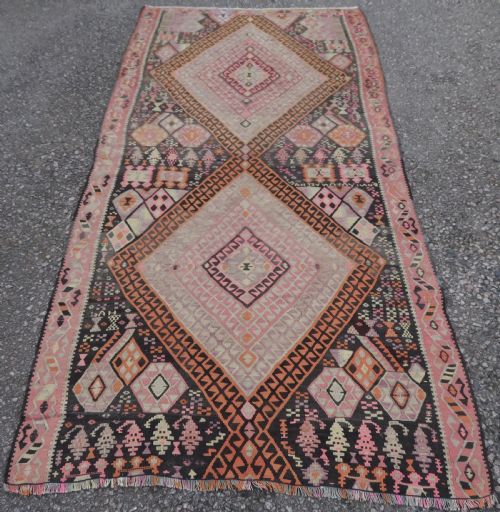
The selections available here range from flatwoven kilims to pile carpets dating from the nineteenth and early twentieth centuries. Pieces associated with towns like Ushak, Malatya, and Konya represent distinct regional aesthetics within the broader Ottoman style.
Village weavers constructed these floor coverings to serve domestic roles, utilising local geometric motifs and repeating patterns. Buyers encounter items bearing the hallmarks of specific regional groups such as Kurdish, Terekeme, or tribal makers.
Materials and construction methods
Weavers relied primarily on wool and hand-spun wool for the pile and foundation yarns, yielding resilient surfaces capable of enduring heavy foot traffic. Cotton also appears in foundations, providing structural stability for denser carpet weaves.
Natural dye traditions supplied the palette, producing the rich blue grounds and pastel tones seen across nineteenth and early twentieth-century examples. The labour-intensive knotting and flatweaving techniques ensured each runner possessed individual structural characteristics.
Handwoven Turkish Runner Retail Price Guide 2026
Typical asking prices for handwoven turkish runner among the pieces listed under this phrase on Sellingantiques today, from the lower quarter to the upper quarter. They describe what is for sale here now, not the wider market.
Village weavers occasionally inserted deliberate minor errors into geometric borders to ward off the evil eye.
Factors that distinguish quality
Quality rests upon the fineness of the weave, the integrity of the wool, and the clarity of the design execution. Superior pieces maintain structural soundness across the length of the runner while retaining supple wool handles.
The depth and harmony of the colour palette also separate ordinary examples from exceptional ones. Dyes that have aged with stability preserve the visual balance intended by the original weaver.
The Handwoven Turkish Runner Glossary
- Kilim
- A flatwoven carpet or rug produced without a pile. These pieces rely on interlocking weft threads to create geometric patterns.
- Prayer rug
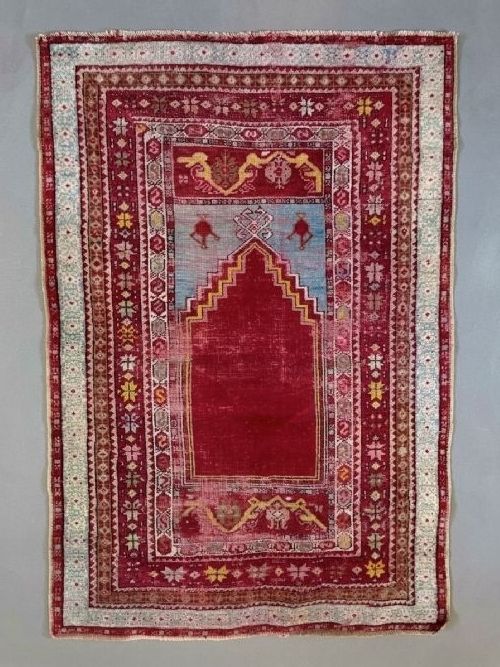
- A small carpet featuring a mihrab design or niche motif indicating the direction of prayer. These formats often served personal or domestic devotional functions.
- Pile
- The dense, vertical surface of yarn loops that stands up from the foundation of a carpet. Hand-knotted runners derive their texture and thickness from this wool layer.
- Field
- The central background area of a rug enclosed by the borders. This space typically displays the primary geometric motifs or medallion designs.
- Anatolian
- Pertaining to the geographic region of Asia Minor that constitutes modern Turkey. This term encompasses the diverse tribal and village weaving traditions of the area.
Handwoven Turkish Runner: Frequently Asked Questions
How do I clean a antique runner?
Gentle surface vacuuming without a beater bar removes embedded dust from the wool pile. Professional specialist cleaning remains the safest method for addressing deeper soil.
Water exposure should be managed carefully to protect natural dyes from bleeding. Proper care preserves the structural integrity of the foundation threads.
Are these runners suitable for hallways?
The elongated proportions make these textiles well suited for narrow corridors and passages. Durable wool construction provides resilience under regular movement.
Underlays help secure the flatweave or pile structure against slipping on smooth floors. This prevents bunching and reduces uneven wear over time.
How do I identify a village rug?
Village rugs display asymmetrical tribal motifs and locally inspired geometric arrangements rather than formal court designs. Irregularities in line and colour transitions point to hand production.
Regional characteristics often link specific patterns to districts such as Malatya or Konya. Weavers incorporated symbols that reflected their immediate environment and cultural heritage.
What is the difference between a kilim and a pile rug?
Kilims are flatwoven without any raised pile, resulting in a lighter and thinner textile. They use a technique where weft threads are tightly packed over the warp.
Pile rugs feature knotted wool yarn that creates a plush, tactile surface. This distinction alters both the physical weight and the drape of the floor covering.