






Handwoven Scatter Rug
These handwoven scatter rug examples bring warmth and authentic nomadic texture to hard flooring, offering instant character to compact spaces.
Handwoven Scatter Rug
A handwoven scatter rug search uncovers smaller floor coverings and repurposed cushions from the nineteenth and early twentieth centuries. These pieces originate from Anatolian tribal and traditional makers who produced durable textiles for daily nomadic life.
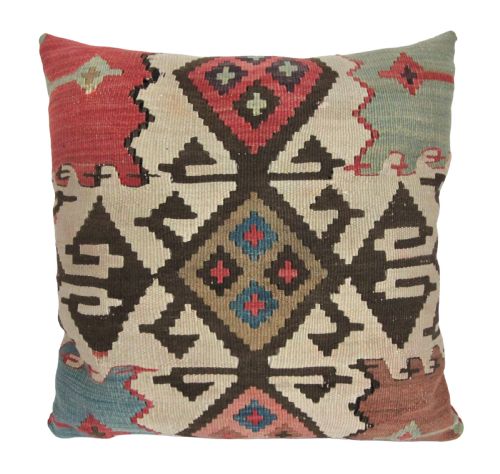
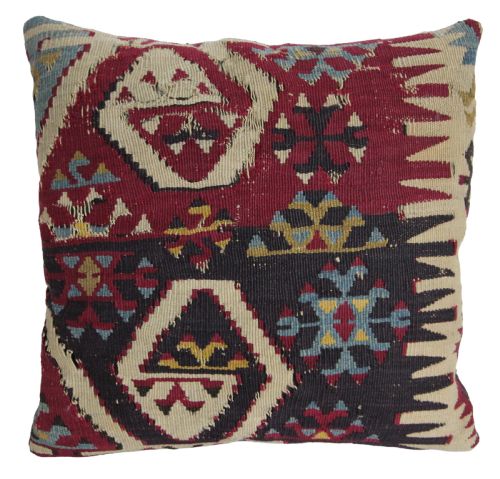
The inventory on this page consists entirely of vintage and antique cushions adapted from carpets and kilims, dating from eighteen-fifty to nineteen-twenty. Buyers will most frequently encounter scatter rug elements presented in cushion forms fashioned from bag faces and kilim fragments.
Forms span from nineteen-century bag face cushions to nineteen-twenty carpet cushions. Each item preserves traditional motifs associated with Anatolian tribal weaving traditions.
How They Were Made
These textiles utilise wool and cotton spun by hand and dyed with traditional methods before being worked on horizontal or vertical looms. Artisans employed flatweave kilim techniques and pile construction to create durable structures intended for daily household use.
Many items repurpose fragments from older tribal bags and larger carpets, transforming utilitarian objects into decorative cushions. The resulting construction combines sturdy cotton backings with authentic handwoven wool fronts.
Handwoven Scatter Rug Retail Price Guide 2026
Typical asking prices for handwoven scatter rug among the pieces listed under this phrase on Sellingantiques today, from the lower quarter to the upper quarter. They describe what is for sale here now, not the wider market.
Current listings span from eighteen-fifty through to nineteen-twenty, featuring wool and cotton materials in Anatolian tribal and nomadic styles.
What Varies in Quality
Quality rests upon the tightness of the weave, the clarity of the tribal motifs, and the richness of the wool. Superior examples display precise geometric patterns and resilient material density that withstand daily handling.
Condition and integrity of the original textile fragments dictate the distinction between average and exceptional pieces. Items preserving intact edge finishes and stable historic construction sit at the upper end of the range.
The Handwoven Scatter Rug Glossary
- Kilim
- A flatwoven carpet or rug produced without a pile by tightly interweaving warp and weft strands. This technique creates a lightweight textile with flat surfaces on both sides.
- Bag Face
- The decorative front panel of a nomadic storage sack originally used for transport and household organisation. These panels feature denser knotting or weaving than the utility backs.
- Anatolian Tribal
- Pertaining to nomadic and village weaving traditions originating from the region of Anatolia. These designs incorporate regional motifs passed down through generations.
- Warp
- The stationary vertical threads stretched onto a loom before weaving begins. The weft threads are passed over and under these foundational strands.
Handwoven Scatter Rug: Frequently Asked Questions
How do I clean these antique textiles?
Surface dust should be removed gently using low suction without a rotating brush head. Professional specialist cleaning is recommended for any deeper maintenance.
Water and harsh detergents must be avoided to protect historic wool fibres and natural dye structures from bleeding or shrinking.
Where should I place a scatter rug cushion?
These pieces function well on benches, chairs, or beds as decorative accent cushions. Their robust wool construction adds texture to living spaces and studies.
Direct, prolonged exposure to intense sunlight should be avoided to prevent natural dyes from fading over time.
How do I determine the age of a piece?
Age is assessed through the characteristics of the wool, the composition of the dyes, and the structural wear patterns. Nineteenth-century examples often display subtle tonal variations from natural dyeing processes.
Construction methods also provide clues, as hand-spun yarns and traditional nomadic loom widths differ from later industrial production.
What is a bag face cushion?
A bag face cushion is created by repurposing the decorative front panel of a nomadic storage bag into a soft furnishing. These panels typically showcase the finest weaving and most intricate tribal designs of the original sack.
Transforming them into cushions preserves historic textile art while adapting it for modern interior display.