






Handwoven Floor Runner
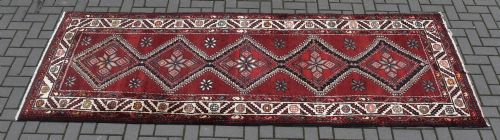
A handwoven floor runner brings warmth and texture to hallways, grounding a long space with traditional craftsmanship.
Handwoven Floor Runner
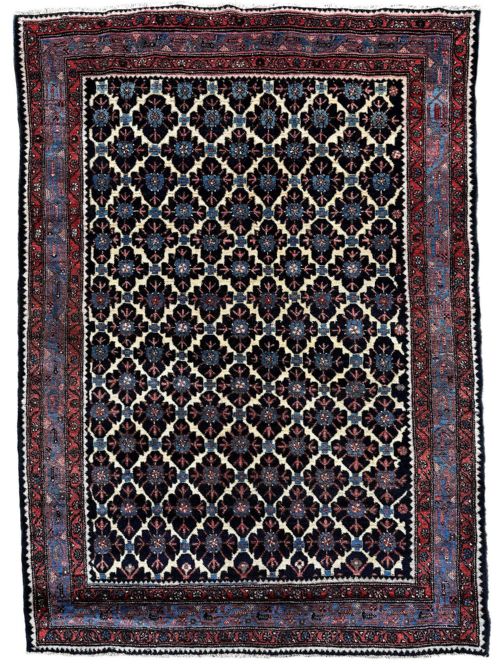
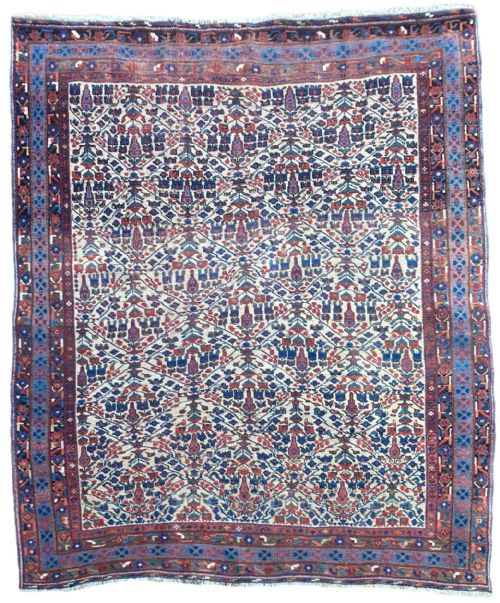
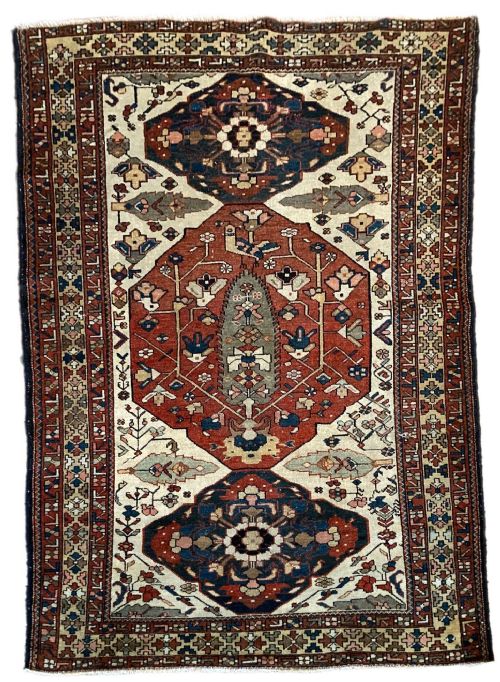
A handwoven floor runner is a long, narrow textile designed for corridors and passages, drawing on traditions from Persian, Caucasian, Anatolian, and other regional weaving cultures. These pieces span from the late nineteenth century through to the early decades of the twentieth century, bringing historic character to modern floors.
The versions most commonly met in this selection are traditional village and tribal rugs, including geometric hallway runners and flat-weave kilims. They originate from regions such as Persia, the Caucasus, Anatolia, and Central Asia, offering varied formats suited to narrow spaces.
How they were made
Makers utilised natural materials such as wool, cotton, goat hair, and natural dyes to construct these textiles by hand on traditional looms. Hand-spun wool provides the foundation for many piles, giving each piece a tactile and durable surface.
Techniques range from knotted pile construction to flat-weave kilim and Soumak methods, where the pattern is woven directly into the structure without a raised pile. Natural dyes impart depth and subtlety to the colour palette over decades of use.
Listings feature pieces from the late nineteenth century through the 1930s, utilising wool, cotton, goat hair, and natural dyes.
What varies in quality
Quality rests on the fineness of the weave, the clarity of the design motifs, and the integrity of the materials used in the foundation and pile. Tighter knotting and precise geometric execution separate finer workshop pieces from simpler village productions.
The richness and stability of the natural dyes also dictate distinction, as well-preserved pigments maintain their character over time. Additionally, the survival of original borders and structural edges marks a higher standard of preservation.
The Handwoven Floor Runner Glossary
- Kilim
- A flat-woven carpet or rug produced without a pile, created by tightly interweaving warp and weft threads. This technique results in a thin, reversible textile with sharp geometric patterns.
- Soumak
- A flat-weave technique involving wrapping weft threads around the warp threads in a herringbone fashion. This method adds structural weight and durability to the finished runner.
- Prayer rug
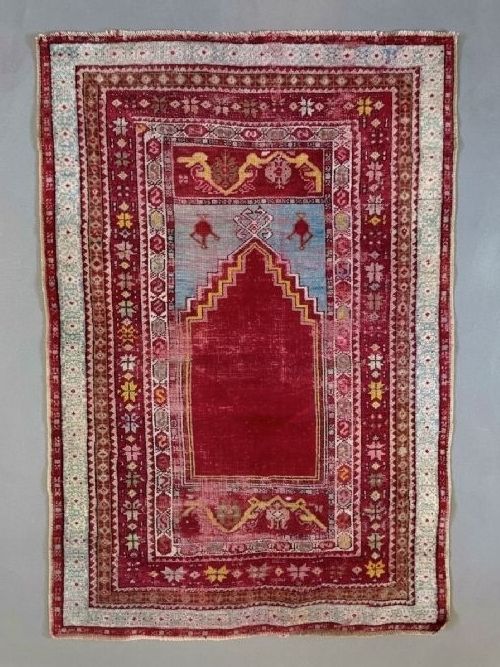
- A rug featuring a mihrab or arch design indicating the direction of prayer, traditionally used in Islamic worship. These pieces often display specific niche motifs and floral vase details.
- Warp
- The vertical threads stretched lengthwise on a loom before the weaving begins. The fringe of a finished runner usually consists of the exposed ends of these foundation threads.
- Weft
- The horizontal threads passed across the warp to form the body and pattern of the textile. Tighter packing of these threads creates a denser and more resilient rug.
Handwoven Floor Runner: Frequently Asked Questions
Where should I place a runner?
Runners are traditionally used in hallways, corridors, staircases, and narrow kitchen spaces where a long, narrow textile softens the flooring. They protect high-traffic wooden boards while introducing pattern and colour to transitional areas of the home.
Because these pieces come in various lengths and widths, measuring the passage carefully ensures the runner leaves an even border of exposed floor on either side.
How do I clean an antique runner?
Routine maintenance involves gentle shaking and light vacuuming without a rotating brush roll to protect fragile wool fibres and historic edges. Professional cleaning tailored to antique vegetable-dyed textiles is recommended for deeper care.
Avoiding excessive moisture and direct, harsh sunlight prevents the natural dyes from fading and protects the integrity of the hand-spun wool foundation.
Are these runners made with natural dyes?
Many older pieces utilise natural dyes derived from plants, insects, and minerals, which yield complex and shifting tones across the surface. These organic colourants age gracefully, developing a rich patina over decades of light and wear.
Appreciating the subtle variations in shade helps identify traditional dyeing methods used by village and tribal weavers before synthetic alternatives became widespread.
How do I identify tribal designs?
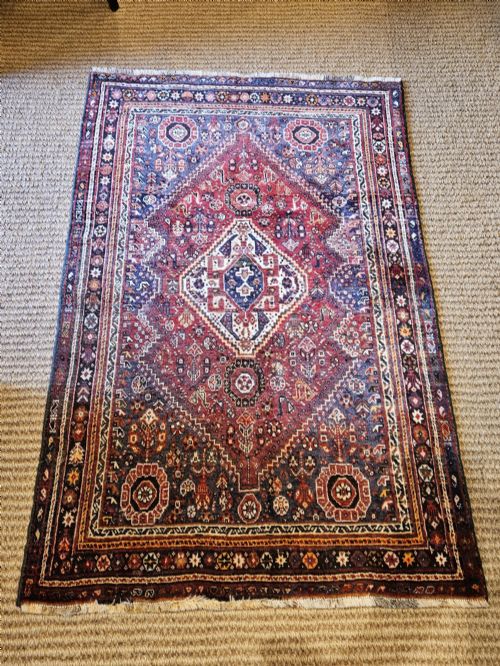
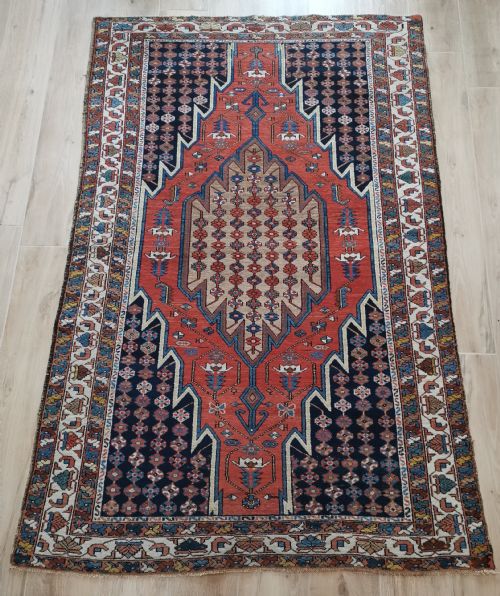
Tribal designs typically feature geometric medallions, repeating latch-hook motifs, stylised animals, and stark angular lines rather than formal court florals. These patterns reflect the nomadic or village heritage of the makers, who passed symbols down through generations.
Regions such as the Caucasus, Persia, and Anatolia developed distinct graphic vocabularies that allow collectors to trace the origin of a particular weave.