




Handmade Persian Carpet
A handmade persian carpet brings rich nomadic history and enduring craft straight to your floor.
Handmade Persian Carpet
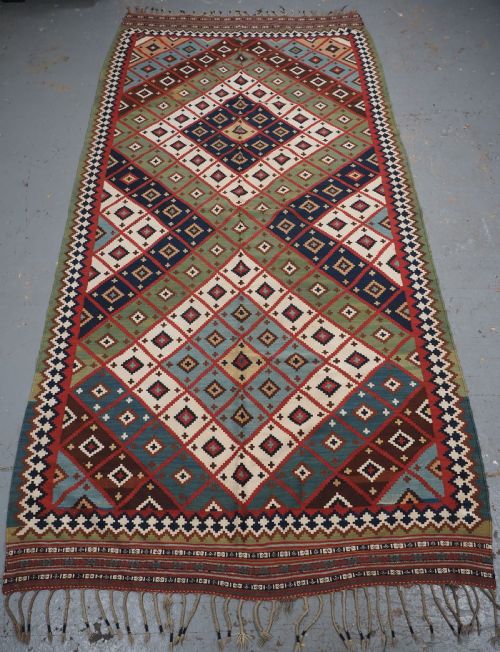
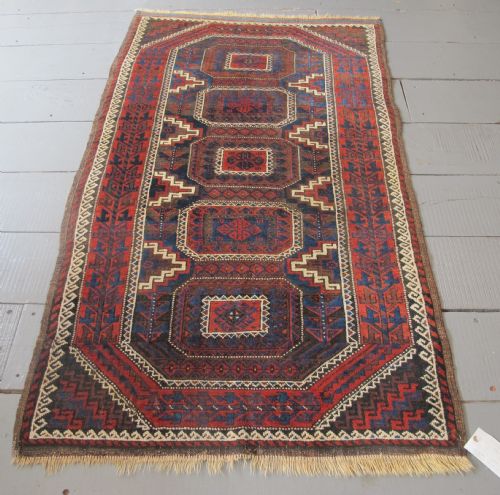
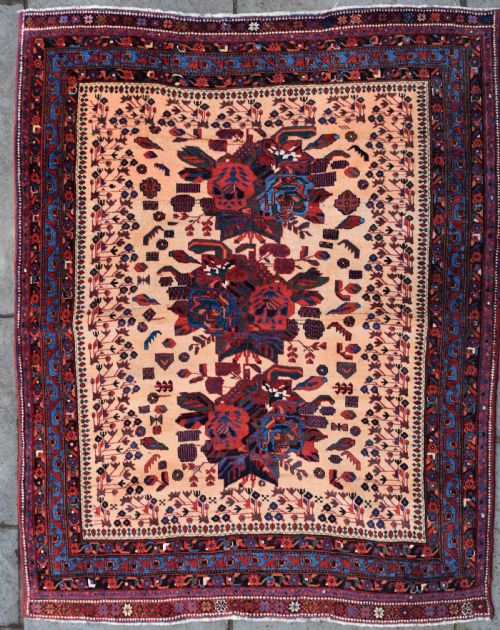
When you search for a handmade persian carpet, you are looking at woven floor coverings and tribal textiles originating from the late nineteenth and early twentieth centuries. These pieces encompass village rugs, nomadic salt bags, and flat-woven kilims dating from the 1880s through to the 1920s.
You are most likely to meet specific regional types on this page, including Heriz rugs, Hamadan Kurdistan pieces, and Qashqai tribal works. Each item reflects the distinct visual vocabulary and weaving traditions of its specific origin.
The assortment includes both larger area rugs and smaller formats such as Karadja and Afshar tribal rugs. Every piece serves as a functional textile carrying traditional patterns handed down through generations of makers.
What varies in quality
The fineness of the weave and the complexity of the traditional design distinguish the finer examples from standard village production. Knot density and the careful execution of motifs such as the Mina Khani design reveal the skill of the original weaver.
Depth and clarity of natural dyes also set pieces apart, with superior colour palettes retaining vibrancy and rich tonal variation over time. The structural integrity of the cotton warp and wool pile determines how well the textile survives decades of use.
Handmade Persian Carpet Retail Price Guide 2026
Typical asking prices for handmade persian carpet among the pieces listed under this phrase on Sellingantiques today, from the lower quarter to the upper quarter. They describe what is for sale here now, not the wider market.
Current listings feature pieces originating between 1880 and 1920, utilising wool, hand-spun wool, cotton warp, and goat hair.
The Handmade Persian Carpet Glossary
- Warp
- The vertical threads stretched on a loom that form the foundation of the rug. Fringe ends typically consist of these exposed foundation threads.
- Kilim
- A flat-woven textile produced without a pile. These pieces use interlocking weft techniques to create geometric patterns.
- Medallion
- A central ornamental design motif placed in the middle of the field. Many Heriz and tribal rugs feature this prominent focal point.
- Pile
- The dense surface of cut wool loops that forms the wearable upper layer of a carpet. Hand-spun wool piles yield a characteristic soft lustre.
- Mina Khani
- A traditional repeating lattice pattern composed of flowers and rosettes. This classical design appears frequently in Khorasan and Baluch weaving.
Handmade Persian Carpet: Frequently Asked Questions
Where were these rugs made?
These textiles originate from various regions and tribal groups across Persia and western Afghanistan. Specific districts include Heriz, Hamadan, Khorasan, and areas inhabited by Qashqai, Timuri, and Baluch nomads.
Each region developed distinct weaving characteristics, colour palettes, and geometric or floral motifs that identify the provenance of the piece.
How do I date an antique rug?
Dating relies on examining the specific wool quality, dye types, structural materials, and stylistic conventions present in the weave. Pieces on this page span from the 1880s to the 1920s, reflecting transitional periods in village and nomadic production.
Natural abrash, hand-spun fibres, and regional design traits help narrow down the approximate decade of manufacture when compared against known historical examples.
Can I place them in high traffic areas?
Traditional village and tribal rugs were built for daily utility by nomadic and village communities. Durable wool piles and sturdy cotton or goat hair foundations allow these textiles to withstand regular walking when properly maintained.
Using an appropriate underlay helps protect the foundation fibres and prevents slipping on hard floors, ensuring the textile remains stable underfoot.
What is a salt bag?
A salt bag is a functional nomadic container woven by tribal groups such as the Timuri and Baluch for practical camp use. These smaller utilitarian textiles featured specialised flat-woven or pile surfaces to store salt and other provisions during seasonal migrations.
Collectors prize them today as compact examples of authentic nomadic tribal artistry and specialised weaving techniques.