





Handled Serving Dishes
Handled serving dishes bring both practical table service and distinct period character, ranging from silver plate tureens to hand-painted porcelain fruit bowls.
Handled Serving Dishes
Handled serving dishes encompass a broad category of vessels designed for table service, featuring functional grips, handles, or swing-bails for presentation and passing. The examples on this page span the nineteenth and early twentieth centuries, covering periods from the Regency era through to Art Deco.
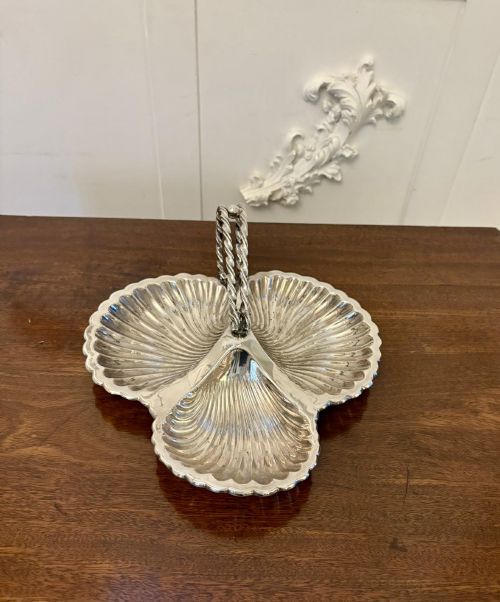
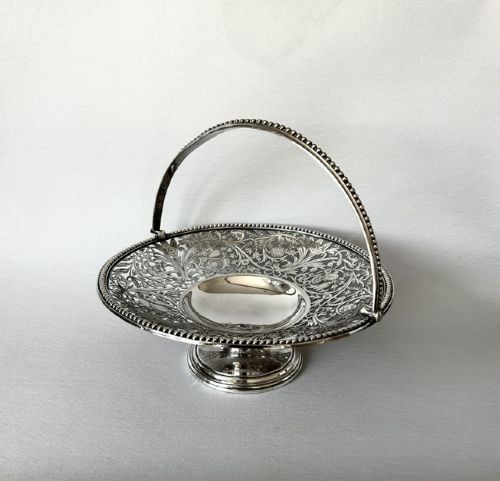
The most frequent forms met here are silver plated baskets, entree dishes, tureens, and porcelain dessert dishes. Makers utilised materials ranging from standard ceramics to electroplated nickel silver and sterling silver to create items for formal dining.
Vessels range from large meat warming trays and punch bowls down to smaller sweetmeat dishes, fruit baskets, and hors d'oeuvre dishes with glass liners. Each form reflects the dining customs and material preferences of its specific decade of production.
How they were made
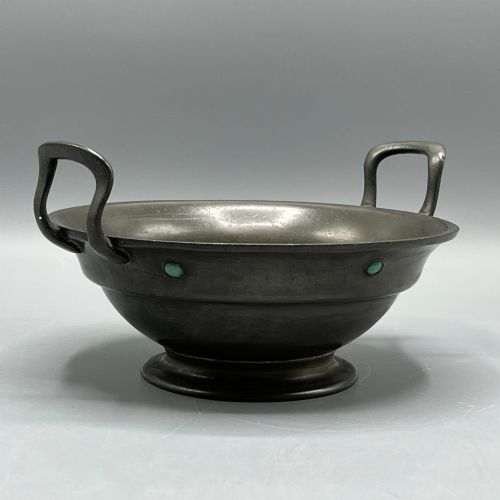
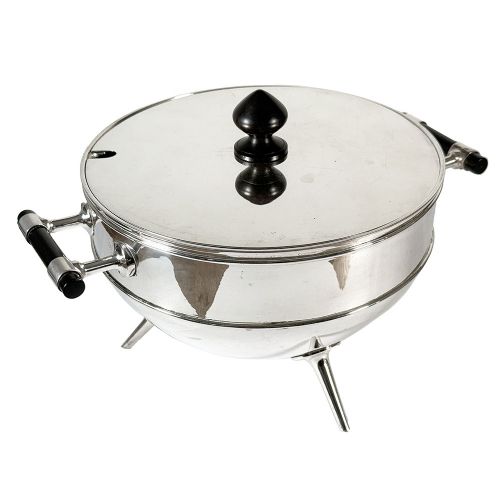
Metal items rely heavily on silver plate, electroplated nickel silver, and sterling silver, often shaped into tureens, baskets, and frames through casting, spinning, or piercing techniques. Workshops also employed pewter and specialised alloys, sometimes incorporating ebonised wood or glass liners.
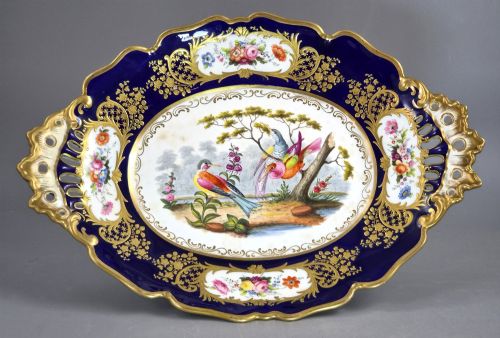
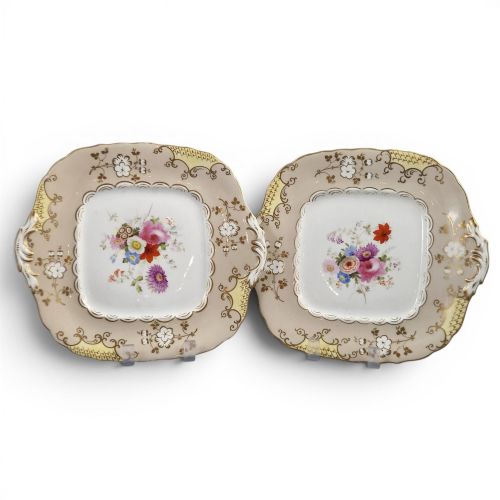
Ceramic examples demonstrate hand-painted decoration, transfer printing, and gilding over porcelain, bone china, ironstone, and majolica faience pottery. Artisans applied cobalt blue, red scale patterns, and floral motifs before firing and glazing the earthenware.
Handled Serving Dishes Retail Price Guide 2026
Typical asking prices for handled serving dishes among the pieces listed under this phrase on Sellingantiques today, from the lower quarter to the upper quarter. They describe what is for sale here now, not the wider market.
Listings feature items from the Regency, Victorian, Edwardian, and Art Deco periods, created in silver plate, porcelain, majolica faience, and glass.
What varies in quality
Quality in metalwork depends on the crispness of chased or pierced ornamentation, the integrity of the silver plating over the base metal, and the sturdiness of applied handles and feet. Substantial weight and balanced proportion separate standard production items from finer studio or factory pieces.
In ceramics, the refinement rests in the precision of hand painting, the depth and clarity of the underglaze colours, and the application of gold leaf or gilt accents. Well-preserved painted scenes and undamaged glaze surfaces indicate superior original manufacture.
Mappin & Webb·Coalport·Liberty & Co·John Ridgway·Hukin & Heath·Elkington·John Hunt·Chamberlain Worcester·Masons Ironstone·Gien·Roberts and Belk·Daniel and Arter·WMF·William Padley·Cresswick
The Handled Serving Dishes Glossary
- Entree dish
- A covered vessel designed to hold side dishes or secondary courses at the dining table. These typically feature removable handles for versatile serving and cleaning.
- Porringer
- A small, single-handled bowl used traditionally for porridge, broth, or soft foods. Later examples often function as sugar basins or decorative table receptacles.
- Comport
- An elevated dish or bowl standing on a stem and foot, used for presenting fruit, sweets, or dessert. They feature prominently in nineteenth-century dessert services.
- Tureen
- A deep, large vessel with a cover and side handles, intended for serving soups, stews, or punch. They frequently include matching ladles.
- Sweetmeat dish
- A small receptacle created specifically for holding confectioneries, nuts, or bon-bons. These pieces often incorporate delicate glass inserts or fine metal piercing.
- Jugs and liners
- Removable interior components made from pressed glass or ceramic, fitted inside metal frames to protect the outer plating from acidic foods.
Handled Serving Dishes: Frequently Asked Questions
What were handled serving dishes used for?
These vessels served various functions at the dining table, ranging from presenting seasonal fruit and bread to containing warm meats, vegetables, or soups. Their integrated handles allowed hosts and servants to pass dishes securely around large tables during formal meals.
Smaller iterations held specialised items like sweets, bon-bons, or hors d'oeuvres, while larger tureens and entree dishes kept main courses warm under fitted covers before service.
How do I care for antique silver plated dishes?
Maintenance requires gentle cleaning with non-abrasive silver polishes and soft cloths to preserve the underlying metal plating. Harsh chemical dips should be avoided, as they can strip thin plating and damage vulnerable soldered joints or applied decorative mounts.
Storing pieces in dry environments away from direct sunlight helps prevent accelerated tarnishing. For items with glass liners or wooden elements, washing components separately ensures moisture does not become trapped against the metal.
How can I tell Victorian from Edwardian pieces?
Victorian serving dishes often display heavier, more ornate decoration such as Rococo Revival scrolls, floral embossing, or deep piercing. Stylistic choices during this period leaned towards exuberant ornamentation and substantial weight in both silver plate and ceramics.
Edwardian designs frequently transition towards lighter proportions, simpler geometric forms, or influences from the Arts and Crafts movement and Art Nouveau. Lighter framing and refined, understated handles become more common as dining habits evolved into the twentieth century.
Can I use these antique dishes for food today?
Many solid ceramic and glass dishes remain suitable for serving dry foods, fruits, or baked goods during modern meals. Care must be taken with antique silver plate to avoid acidic foods that might react with worn plating or older metal alloys.
Pieces with delicate hand-painted enamels, gilding, or extensive wear are generally best reserved for display or gentle table use rather than daily service and dishwasher cleaning.