



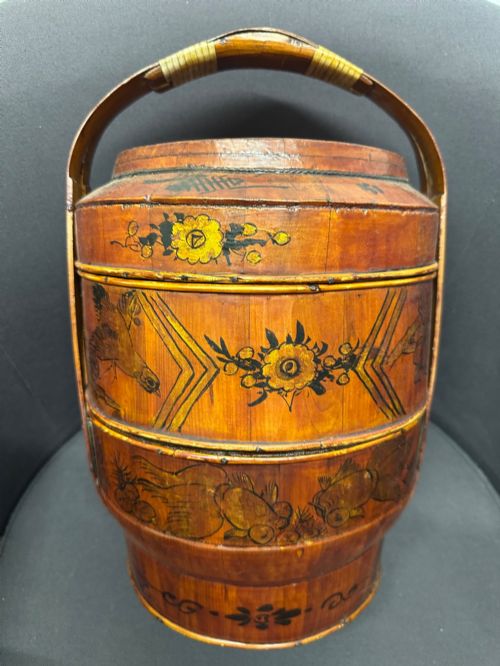
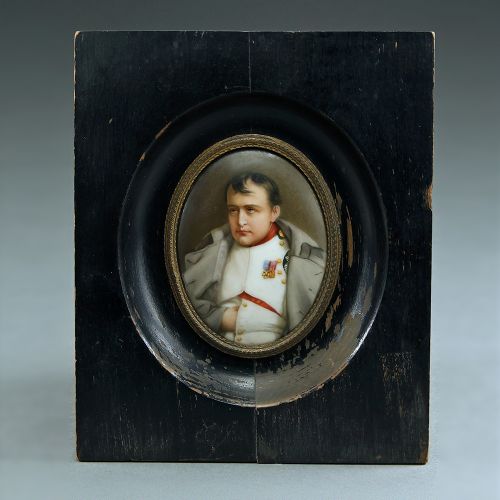
Hand Painted Wood
Hand painted wood brings together centuries of pigment applied to timber, offering decorative objects that transform a room through colour and individual character.
Hand Painted Wood
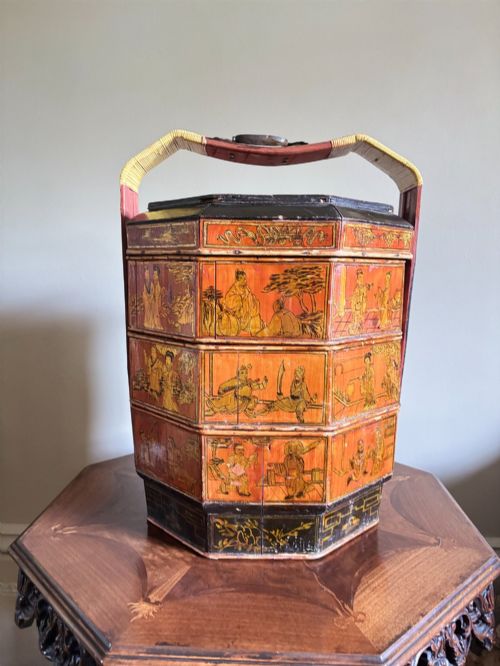
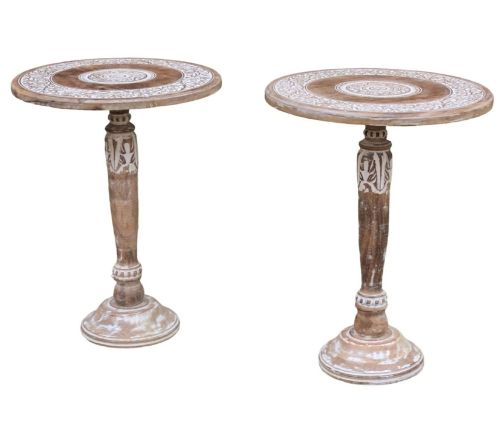
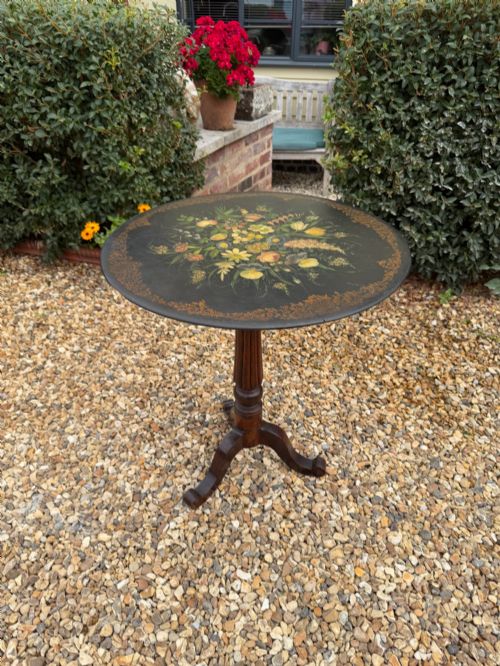
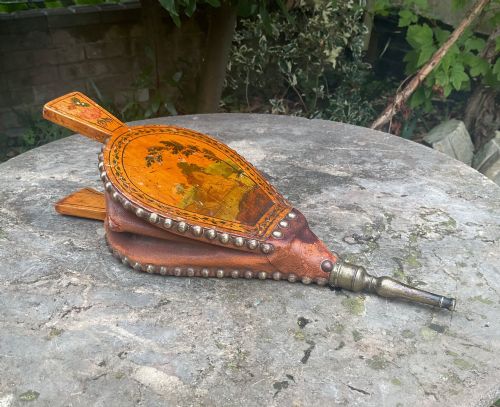
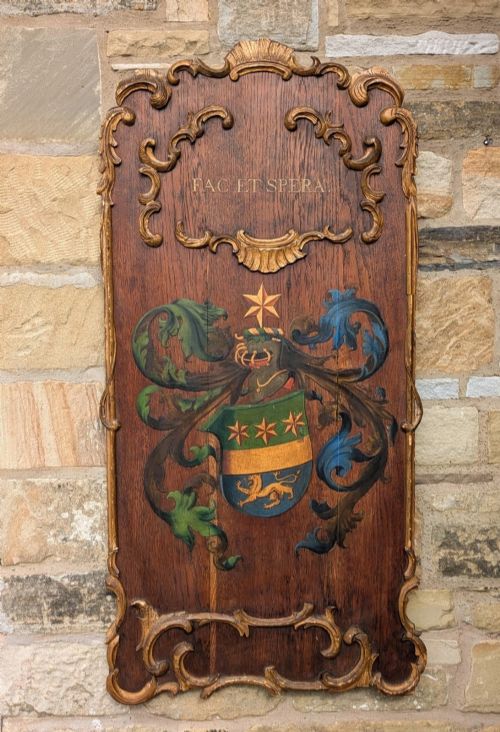
When you search for hand painted wood, you encounter a diverse range of items spanning the nineteenth and twentieth centuries, including functional objects like trade signs, fireplace bellows, and side tables alongside purely decorative pieces. These items originate from various traditions such as British folk art, Anglo-Indian craft, and Chinese lacquer work, reflecting both utilitarian purposes and ornamental display.
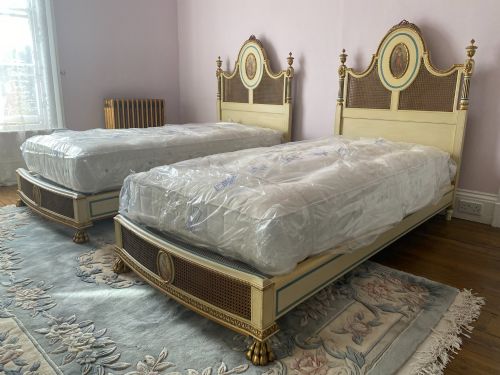
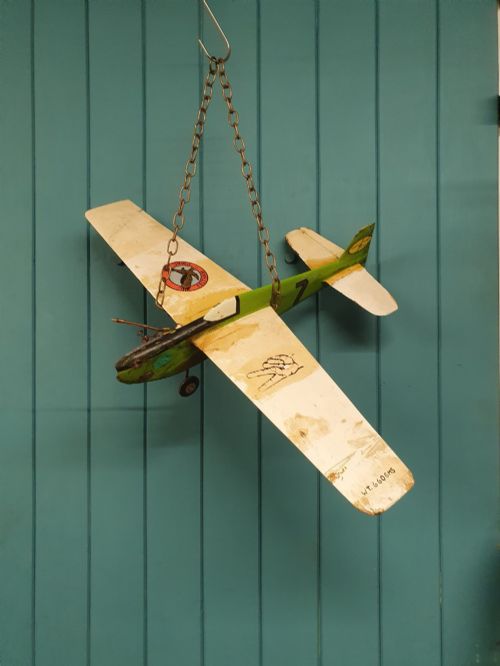
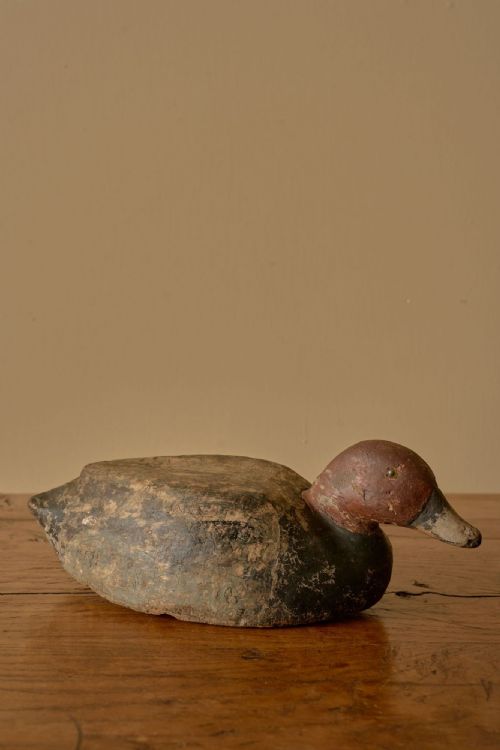
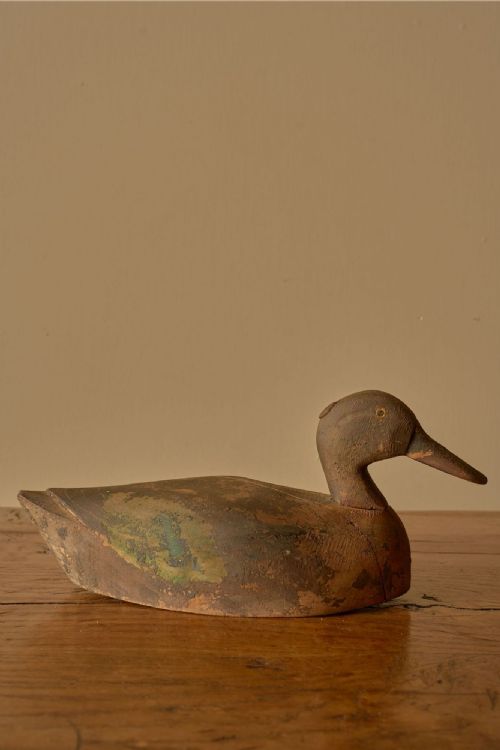
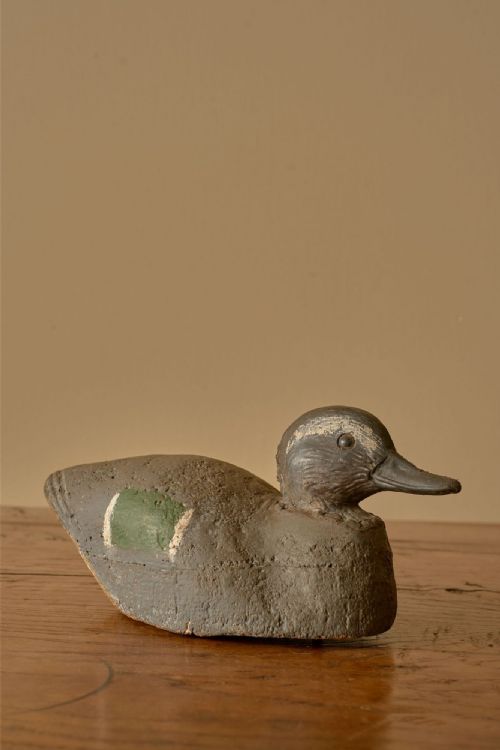
You are most likely to meet items from the Victorian and Edwardian eras, as well as pieces dated around 1900 and the 1920s, which demonstrate how applied colour embellished everyday wooden objects. These range from decoy ducks and bird boxes to larger furniture such as cabinets, standard lamps, and etagere side tables.
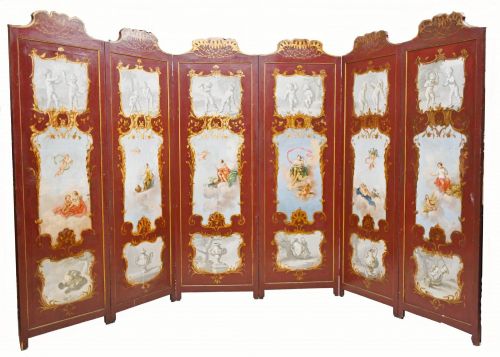
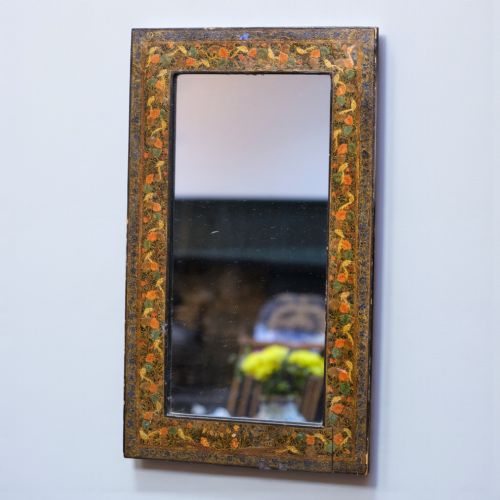
The selection encompasses continental European pieces, such as Venetian mirrors and Swedish folk art, alongside British and Asian items, showing that painted surfaces adorned everything from small decorative panels to large furniture frames. Each piece relies on the combination of a wooden substrate and applied pigment, whether in the form of folk art motifs or elaborate Chinoiserie scenes.
How they were made
Makers utilised timber bases such as mahogany, satinwood, carved wood, and bamboo, preparing the surfaces to receive decorative layers of paint, lacquer, or gold leaf. Applied finishes often involved multiple coats of pigment, sometimes protected with clear varnishes or built up to create glossy red and ochre lacquer schemes.
Techniques varied from simple folk art brushwork on carved wooden decoys and trade signs to detailed Chinoiserie and neoclassical decorative panels executed by skilled hands. Brass elements and glass components frequently complemented the wooden structures, appearing on mirrors, table lamps, and display cabinets.
Hand Painted Wood Retail Price Guide 2026
Typical asking prices for hand painted wood among the pieces listed under this phrase on Sellingantiques today, from the lower quarter to the upper quarter. They describe what is for sale here now, not the wider market.
Object forms recorded here include table lamps, signage, fireplace accessories, wall mirrors, side tables, occasional tables, sculptures, and decorative objects.
What varies in quality
The standard of a piece rests heavily on the execution of the painted surface, distinguishing confident, detailed brushwork from flat or later applied decoration. The preservation of the original pigment and lacquer determines much of the visual appeal, as worn or heavily restored surfaces alter the character of the object.
Construction quality of the underlying wooden form also sets items apart, visible in the joinery of tables, cabinets, and boxes, as well as the finesse of carved details on figures and architectural panels. Coherence between the form, the period style - such as Regency, Sheraton Revival, or French Empire - and the painted ornamentation defines the finer examples.
The Hand Painted Wood Glossary
- Chinoiserie
- European decorative style inspired by Chinese art and design, featuring painted motifs of figures, landscapes, and pavilions often rendered in lacquer. This style gained popularity across furniture and panels during the nineteenth and early twentieth centuries.
- Folk art
- Utilitarian and decorative objects made by self-taught or local artisans, frequently utilising carved wood and hand-applied paint. These pieces include items such as decoy ducks, trade signs, and bird boxes.
- Lacquer
- A durable finish applied to wood in multiple layers, sanded and polished to a smooth sheen. It appears on red and ochre surfaces found in oriental and European decorative furniture.
- Étagère
- An open piece of furniture with multiple tiers used for displaying small decorative objects. They often feature painted wood and gilt decoration in continental and Edwardian styles.
- Vernis Martin
- A simulated lacquer finish developed in eighteenth-century France and emulated later, using varnish to create translucent decorative layers on furniture. It appears on display cabinets and occasional pieces.
Hand Painted Wood: Frequently Asked Questions
What is hand painted wood?
Hand painted wood encompasses items where artisans applied pigments, lacquer, or gold leaf directly onto wooden surfaces. These range from household objects and folk art to fine furniture.
Such pieces combine timber construction with decorative painting styles like Chinoiserie, folk art, and neoclassical design, spanning the nineteenth and twentieth centuries.
How do I care for painted wood?
Keep painted wooden items away from direct sunlight and excessive moisture to protect the underlying pigments and varnishes from fading or flaking. Dust gently with a dry, soft cloth rather than using chemical cleaners.
Stable indoor temperatures help preserve both the wooden substrate and the delicate lacquer or painted layers over time.
How can I tell the period?
Dating relies on examining the timber types, construction methods, and the specific style of the painted decoration, such as Victorian Sheraton Revival or Edwardian Chinoiserie. Maker signatures, trade labels, and the natural ageing of the paint layers also provide clues.
Comparing the object's form and pigments to documented examples from eras like the Regency period or the 1920s helps confirm its age.
Were these items purely decorative?
Many pieces served practical functions in daily life while incorporating decorative paintwork, such as trade signs, fire bellows, writing desks, and cupboards. Even items like decoy ducks and toy aeroplanes had active uses before becoming display objects.
Over time, functional wooden items with decorative painted finishes transitioned into collected antiques appreciated for their craftsmanship and visual charm.