

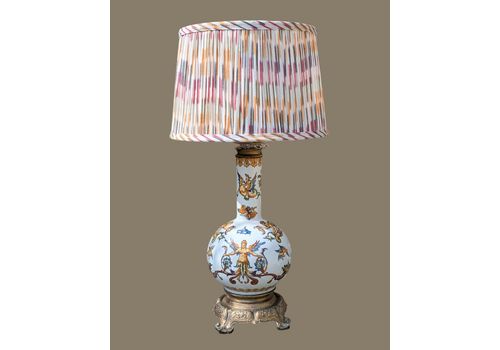
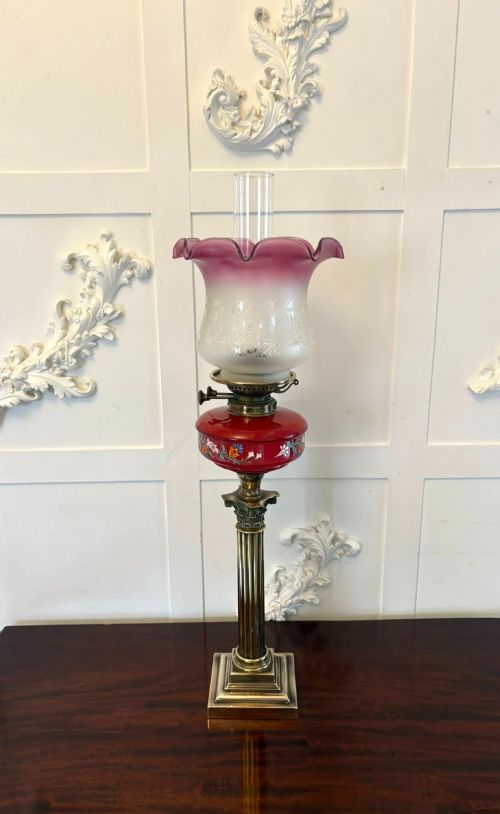
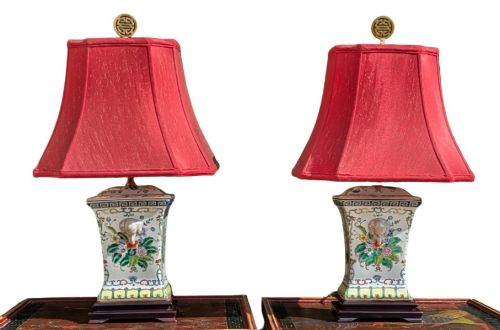
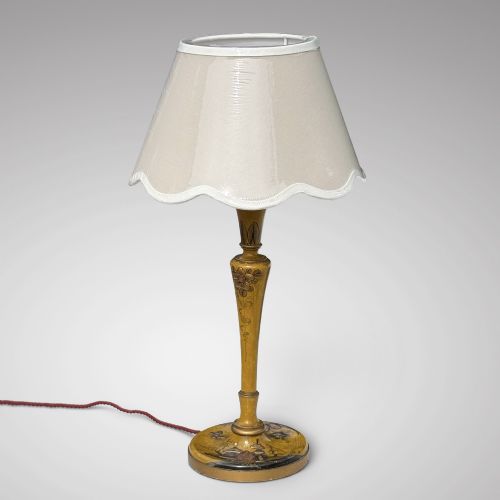

Hand Painted Shades
Hand painted shades bring vibrant colour and decorative detail to period lighting, offering an individual focal point for any room.
Hand Painted Shades
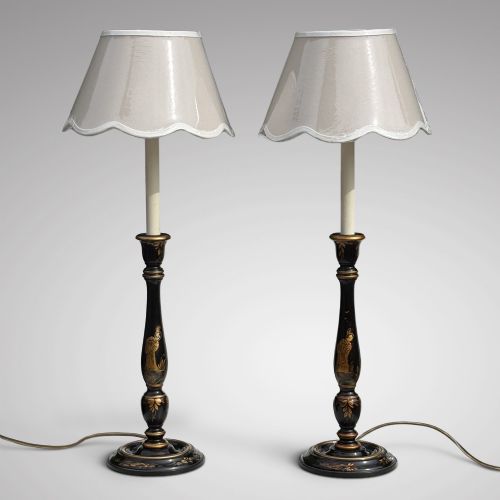
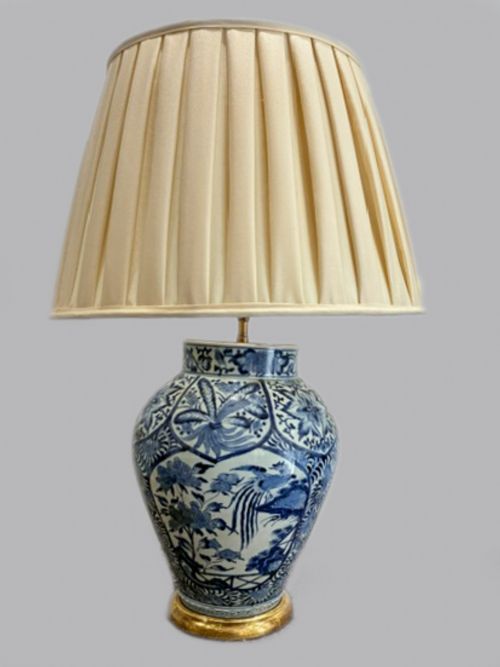
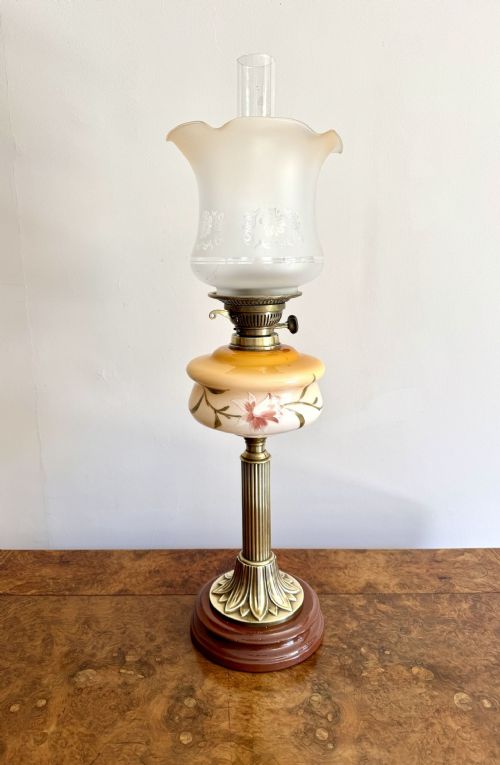
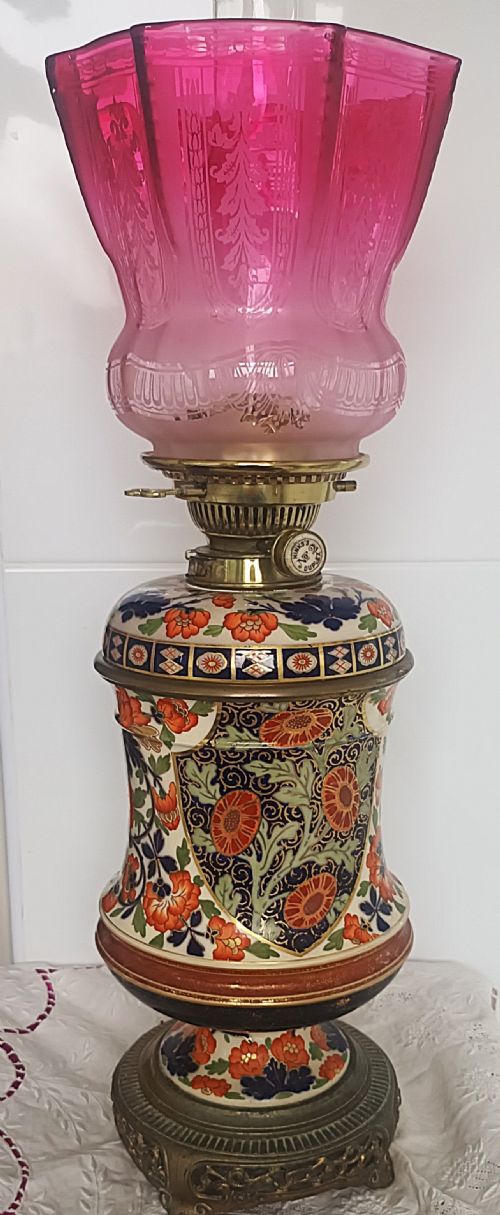
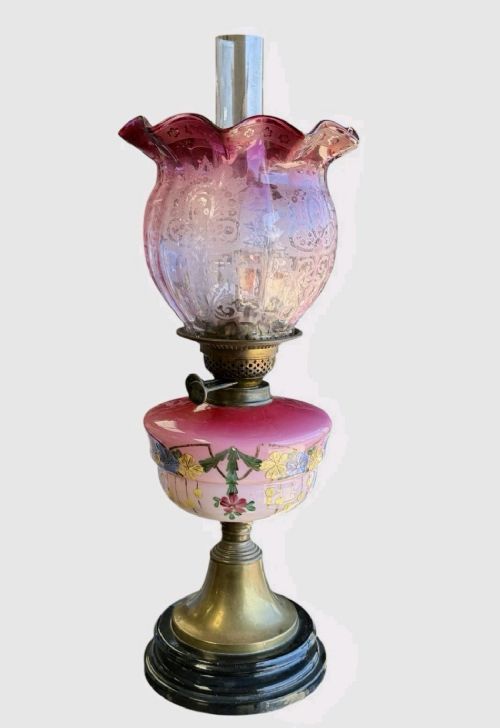
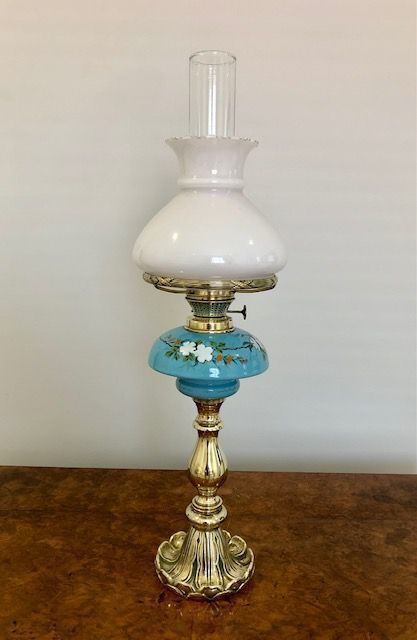
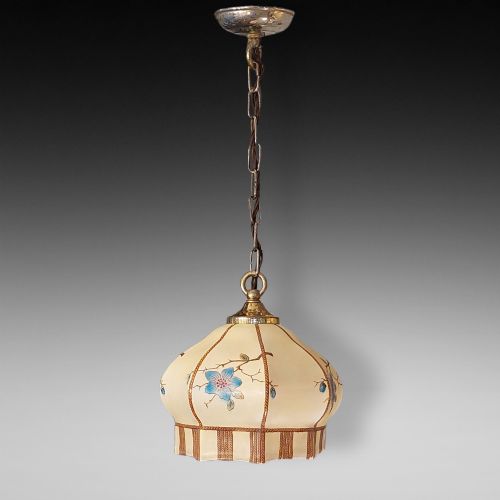
Hand painted shades encompass decorative glass and fabric covers designed for period lighting fixtures. When searching for hand painted shades, buyers encounter various forms including hanging oil lamp shades, glass plafonniers, and lamp fonts dating from the Victorian era through the early twentieth century.
How they were made
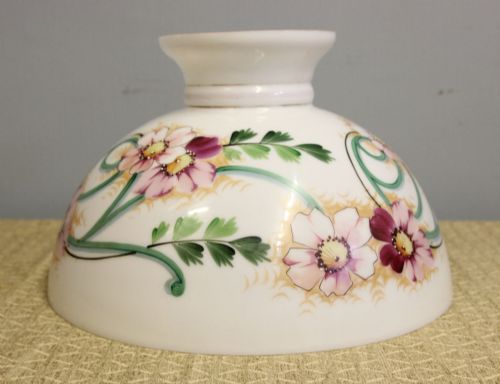
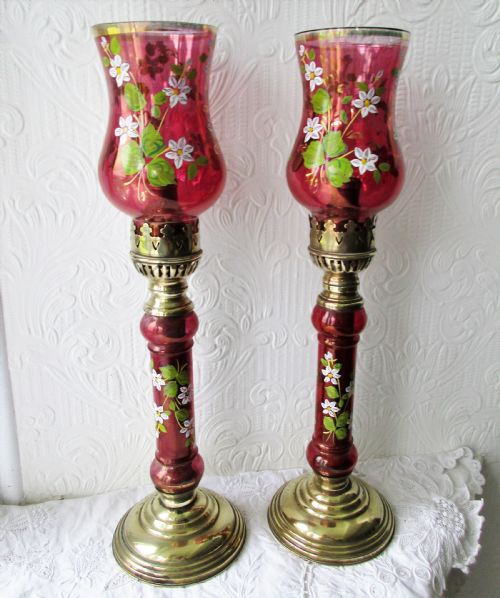
Makers utilised moulded glass, porcelain, and fabric as foundations for applying intricate pigment designs by hand. Glass shades frequently employed cranberry or opaline glass layered with fired enamel or surface painting.
Brass mountings and ceramic columns were shaped and assembled alongside these shades using traditional metalworking and pottery techniques common to Victorian and Edwardian workshops.
Hand Painted Shades Retail Price Guide 2026
Typical asking prices for hand painted shades among the pieces listed under this phrase on Sellingantiques today, from the lower quarter to the upper quarter. They describe what is for sale here now, not the wider market.
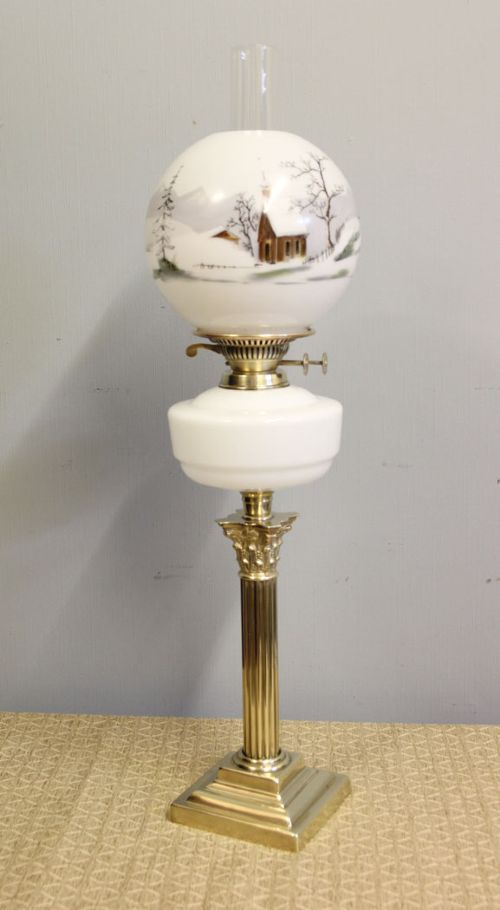
Several oil lamps preserve the exact winter snow scenes and floral motifs painted by Victorian hands over a century ago.
What varies in quality
Quality rests in the precision and depth of the hand-applied artwork, where finely detailed brushwork on glass or porcelain distinguishes superior examples from simpler production. The weight and finish of the accompanying brass or ceramic mounts further indicate the standard of manufacture.
Preservation of the original hand-painted surface without loss of pigment defines the upper tier of these pieces. The integration between shade and mounting structure demonstrates the level of craftsmanship invested in the complete light fitting.
The Hand Painted Shades Glossary
- Plafonnier
- A ceiling-mounted bowl light shade, frequently made of painted glass in Neo-Classical or Art Deco styles.
- Cranberry glass
- A rich red-pink transparent glass created by adding gold chloride to the molten mixture, commonly seen in Victorian oil lamp shades.
- Opaline glass
- An opaque or translucent pale glass used as a base for painted decorative motifs.
- Mantel lustre
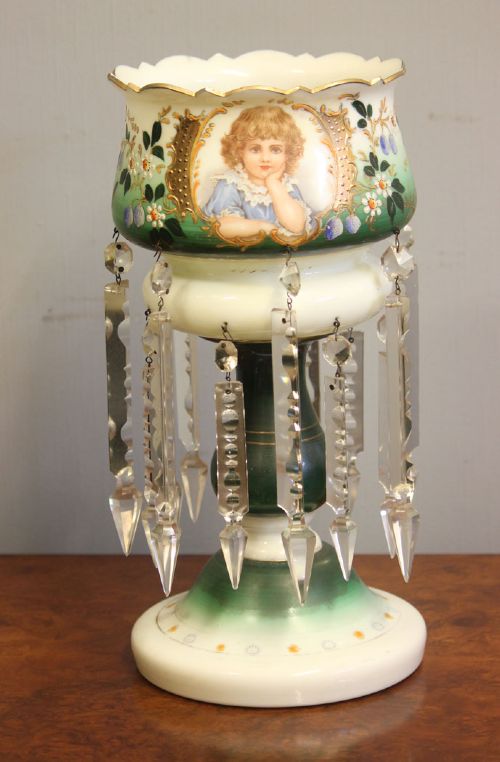
- A decorative ceramic or glass vase hung with glass prisms, often associated with period fireplace garnitures.
- Duplex burner
- A double-wick mechanism found on Victorian oil lamps designed to produce a brighter flame.
Hand Painted Shades: Frequently Asked Questions
What periods do hand painted shades come from?
These pieces date primarily from the Victorian era through the early twentieth century, including Edwardian and 1920s Art Deco examples.
The styles reflect the decorative tastes of those periods, ranging from floral Victorian motifs to Chinoiserie and Neo-Classical designs.
How were glass shades decorated?
Artisans applied enamel or pigment directly onto the surface of opal, cranberry, or clear glass before firing the pieces to set the colours.
This hand-applied work ensured each shade displayed individual brushwork and subtle variations in pattern.
Can these shades be used with modern lamps?
Many shades and lamps adapt readily to contemporary interiors, though fittings should be checked by a qualified electrician to ensure compatibility.
Careful measurement of fitter rims ensures proper seating on existing lamp holders or hanging fixtures.
What materials are common in these listings?
Glass and porcelain form the primary materials for the shades and lamp bodies, frequently supported by brass columns or ceramic bases.
Some examples incorporate fabric elements or lacquered wood alongside the traditional glass and metal components.