



Hand Painted Pendant
These hand painted pendant pieces bring delicate miniature art and enamelwork into personal wear and lighting, offering fine detail for collectors.
Hand Painted Pendant
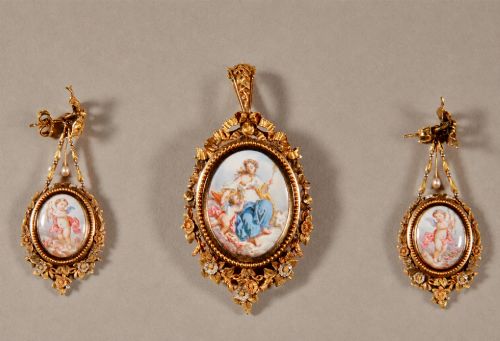
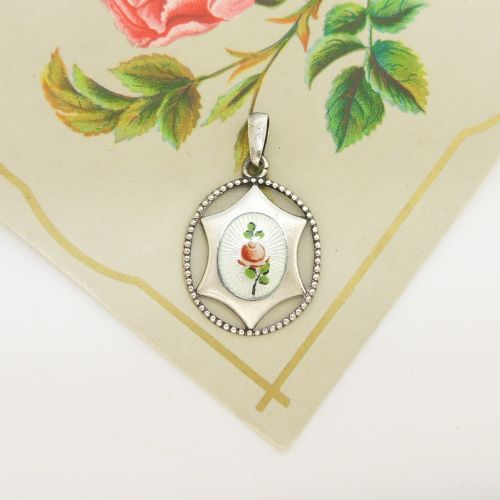
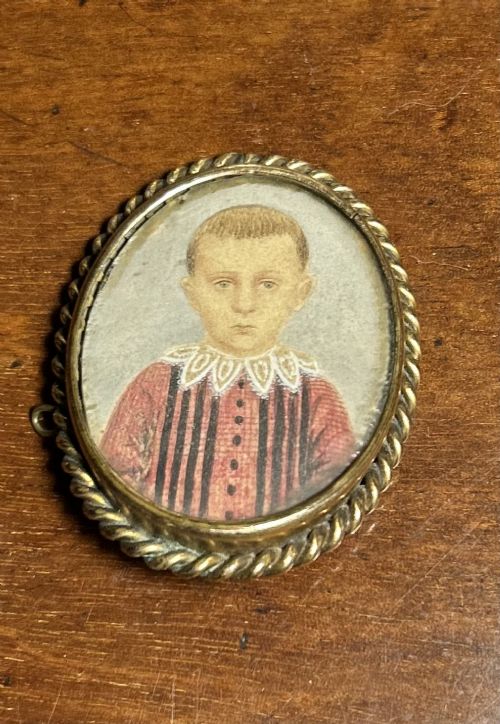
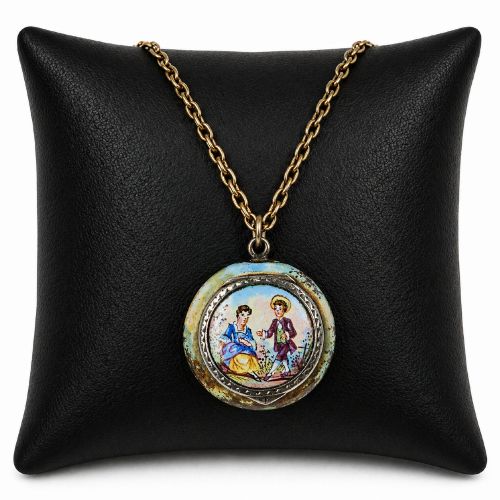
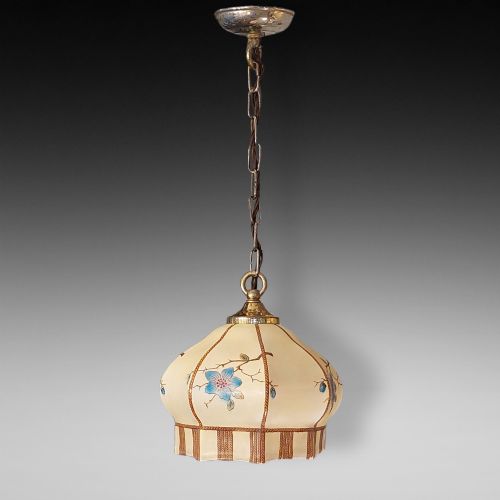
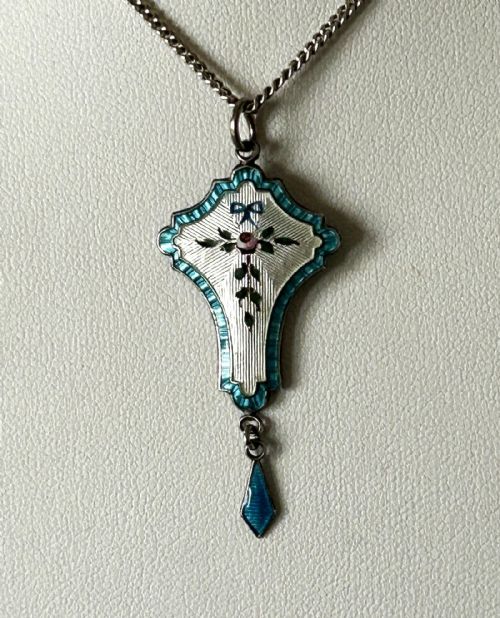
When you search for a hand painted pendant, you encounter a diverse group of items spanning jewellery and lighting fixtures. The selection includes silver and enamel necklace pieces, portrait miniatures mounted as lockets, and painted glass shades designed for suspension.
The objects derive from periods including the Georgian era, Victorian times, Edwardian years, and the 1920s. You are most likely to meet silver and enamel jewellery pieces or decorative glass lamp shades bearing hand applied decoration from these historical spans.
Materials and construction methods
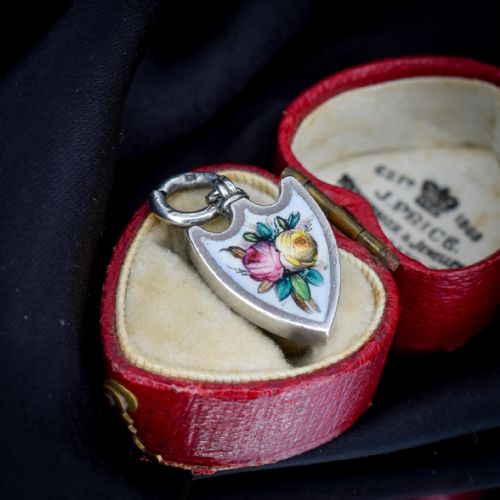
Maker techniques rely on the combination of precious metals like gold and silver with vitreous enamel or glass surfaces. Artisans applied watercolours for portrait miniatures or fused coloured enamel onto silver bases to create lasting colour.
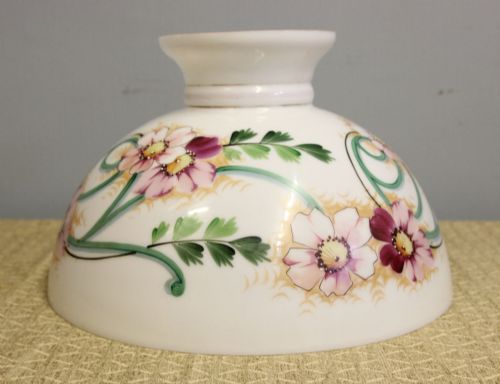
Glass lighting shades utilise hand painted floral or decorative motifs applied directly to opaline and standard glass bodies. Metalwork mounts in brass, sterling silver, and gold provide structural framing for pendants, lockets, and miniature paintings.
Hand Painted Pendant Retail Price Guide 2026
Typical asking prices for hand painted pendant among the pieces listed under this phrase on Sellingantiques today, from the lower quarter to the upper quarter. They describe what is for sale here now, not the wider market.
Sophie Luise of Württemberg stares out across the centuries from her watercolour frame, wondering how she ended up near a ceiling lamp.
Distinctions in craftsmanship
Quality rests upon the precision of the brushwork and the stability of the enamel or glass medium. Finer examples display meticulous detail in portrait miniatures and flawless execution of enamel shielding without chipping or surface clouding.
The integrity of the metal mounts, whether sterling silver or gold, distinguishes superior pieces from standard production. Well preserved painted surfaces retain their original pigment depth and clarity across centuries.
Charles Horner
The Hand Painted Pendant Glossary
- Portrait miniature
- A small, detailed painting executed on ivory, vellum, or card, often housed within a brooch or pendant locket. These works capture likenesses with remarkable intimacy.
- Vitreous enamel
- A material made by fusing powdered glass to a substrate by firing, producing a smooth, durable coating. It appears frequently in floral shield charms and decorative pendants.
- Opaline glass
- A pale, translucent type of glass that diffuses light softly, utilised in hanging lamp shades and plafonniers. It provides an ideal background for hand applied surface painting.
- Plafonnier
- A ceiling mounted bowl light shade that sits close to the surface, often featuring painted glass panels or decorated bowls. These fixtures diffuse interior illumination evenly.
- Locket
- A small hinged case designed to hold a portrait miniature or keepsake, worn suspended from a chain. Double sided versions allow views from both front and reverse.
Hand Painted Pendant: Frequently Asked Questions
What periods do these pieces span?
The items range from the Georgian period around seventeen hundred through Victorian, Edwardian, and nineteen-twenties Art Deco eras.
Each period brings distinct stylistic traits, from Neoclassical portraits to Art Nouveau enamelwork.
How do I care for hand painted enamel?
Keep enamel jewellery away from harsh chemicals, moisture, and ultrasonic cleaning devices to protect the glass surface.
Store pieces separately in soft pouches to prevent scratching against other metal items.
Are all these items jewellery?
No, the category includes both wearable pieces like necklaces and lockets alongside interior lighting elements.
Glass lamp shades and plafonnier ceiling fixtures also feature hand painted decoration.
What metals are used in the mounts?
Mounts and settings utilise sterling silver, gold, brass, and standard silver alloys depending on the item type.
Pieces from makers like Charles Horner frequently employ marked sterling silver alongside enamel.