



Hand Painted Light Fixture
A hand painted light fixture brings colour and warmth to a room, combining practical illumination with decorative artistry.
Hand Painted Light Fixture
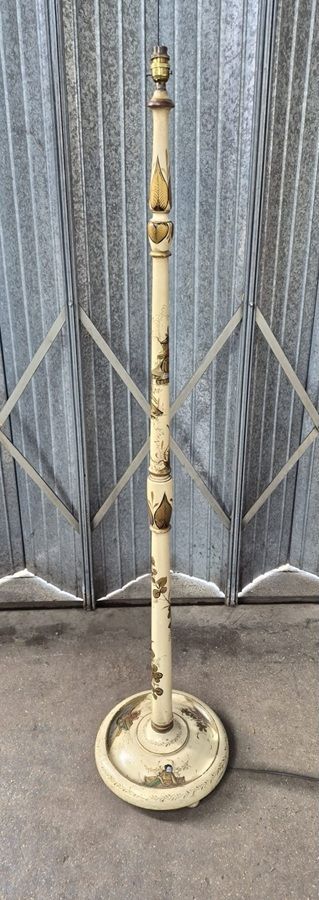
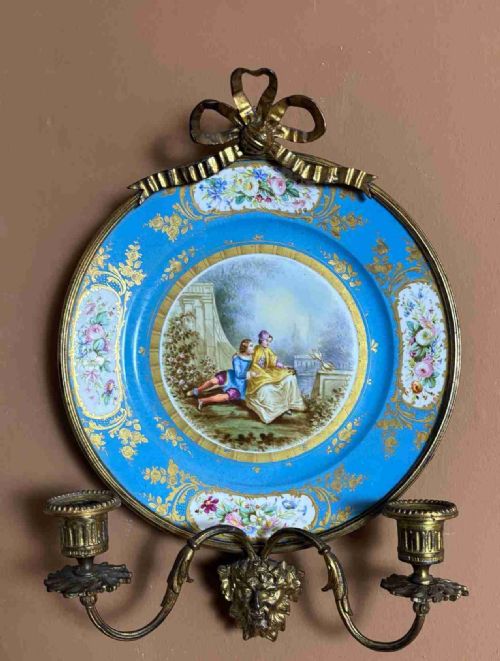
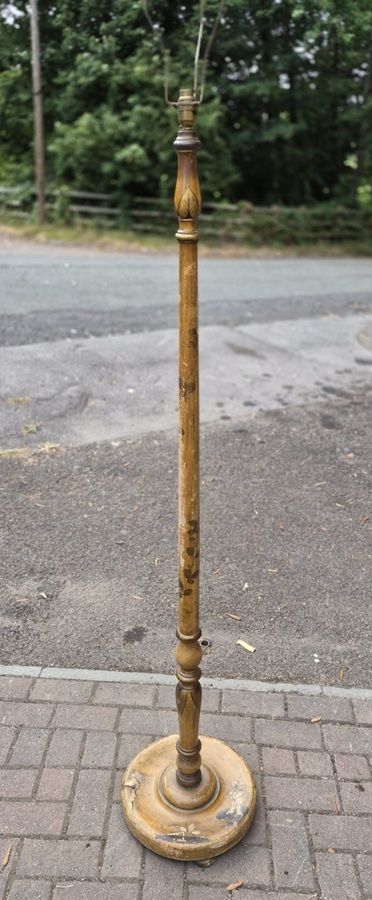
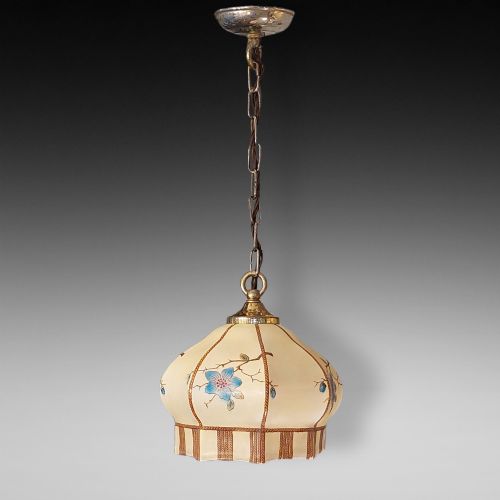
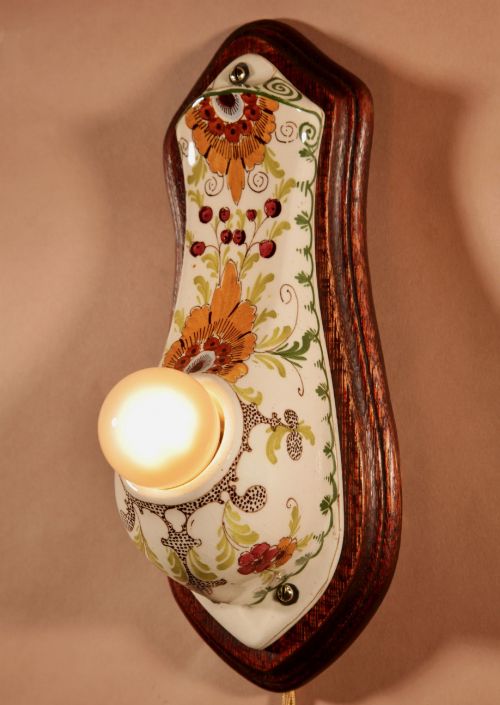
A hand painted light fixture unites functional lighting with decorative painting, taking the form of oil lamps, table lamps, standard lamps, wall lights, pendant lights, and floor lamps. When searching for this phrase, a buyer encounters pieces originating from periods such as the Victorian, Edwardian, and 19th-century eras, alongside later 1920s examples.
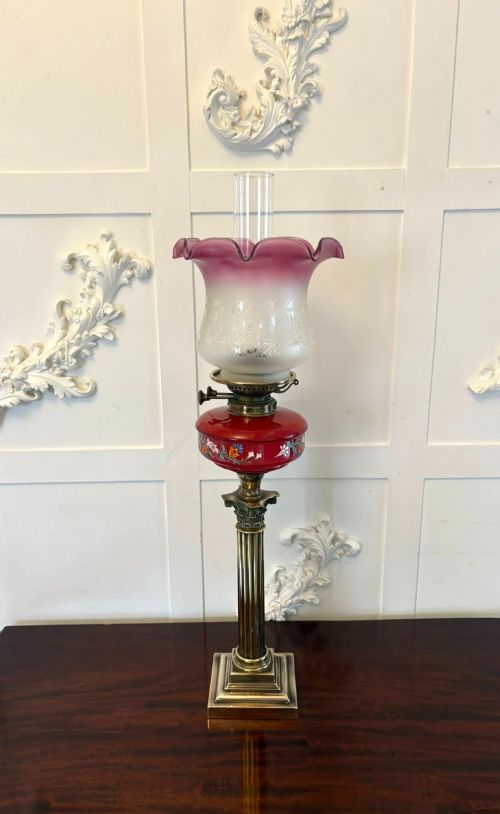
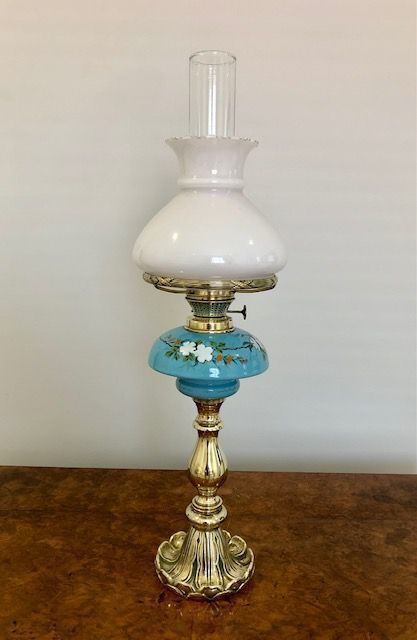
The most common versions met on this page include Victorian and Edwardian standard and oil lamps, often featuring decorated glass fonts or painted shades. These items bridge the gap between historical utility and decorative interior ornament, reflecting the shift from oil burning to electric illumination through conversions.
How they were made
Makers utilised brass columns and bases paired with glass fonts or ceramic bodies to provide structural stability and visual contrast. Enamel and lacquer added durable surface decoration to metal and wood components.
Shades and fonts received hand-painted details, utilising techniques suited to glass, ceramic, and painted wood surfaces. Opaline glass and Delft pottery formed specialised mediums for intricate coloured designs.
Hand Painted Light Fixture Retail Price Guide 2026
Typical asking prices for hand painted light fixture among the pieces listed under this phrase on Sellingantiques today, from the lower quarter to the upper quarter. They describe what is for sale here now, not the wider market.
A nineteenth-century night light proves that people have long preferred their midnight pathways illuminated with a touch of hand-painted Dutch charm.
What varies in quality
The skill of the brushwork dictates the visual success of the painted decoration, separating hurried commercial output from carefully executed artistic application. Crisp detail in floral or Chinoiserie motifs demonstrates superior workshop standards.
The weight and finish of the underlying brass, ceramic, or glass components determine the structural integrity of the piece. Substantial metalcasting and well-balanced proportions separate finer examples from simpler utilitarian objects.
The Hand Painted Light Fixture Glossary
- Font
- The reservoir that held oil in historical lamps, frequently fashioned from coloured or opaline glass. It sits atop the metal column to catch the light.
- Chinoiserie
- A decorative style reflecting European interpretations of Chinese artistic traditions. It appears on standard lamps and vases from the Edwardian period.
- Standard Lamp
- A tall floor-standing lighting piece designed to illuminate a room from a vertical position. These items often feature painted wooden or metal shafts.
- Opaline Glass
- A pale, translucent glass type used for lamp shades and fonts. It diffuses light softly while displaying painted enamel colours effectively.
- Plateel
- A term used for Dutch ceramic wares, notably associated with Gouda and Delft production around the turn of the twentieth century. These glazed pieces often incorporate hand-painted patterns.
Hand Painted Light Fixture: Frequently Asked Questions
How do I wire an antique lamp?
Most antique lighting requires modern rewiring to meet contemporary safety standards before use in a home.
Professional electricians can replace internal cords while preserving the original brass or ceramic exterior components.
Are these lamps safe to use?
Converted oil lamps and vintage standards provide steady illumination when fitted with updated electrical fittings.
Careful handling protects fragile hand-painted glass shades and delicate enamel surfaces during daily domestic life.
How do I clean painted glass?
Gentle dusting with a soft cloth prevents accumulation on delicate hand-painted surfaces without risking the pigment.
Moisture should be used sparingly to avoid damaging historical lacquer, enamel, or painted wood finishes.
What is an oil lamp conversion?
A conversion involves adapting a nineteenth-century burning lamp to accept modern electrical wiring and bulbs.
This process allows historical brass and glass bodies to function as standard household lamps while retaining their original appearance.