

Hand Painted Figures
When you search for hand painted figures, you discover moulded clay, carved wood, and glazed ceramics brought to life by fine brushwork across multiple centuries.
Hand Painted Figures
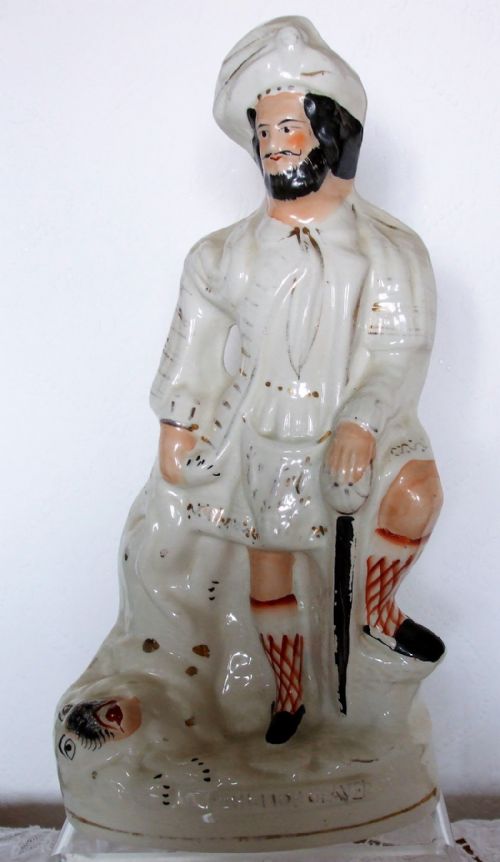
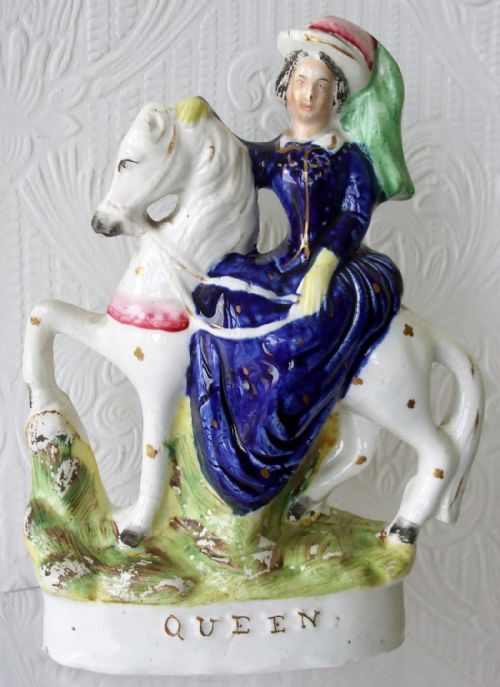
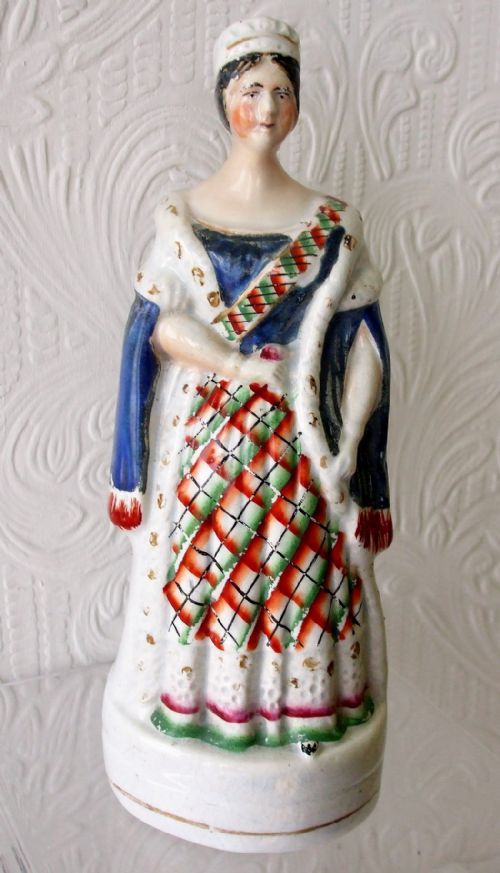
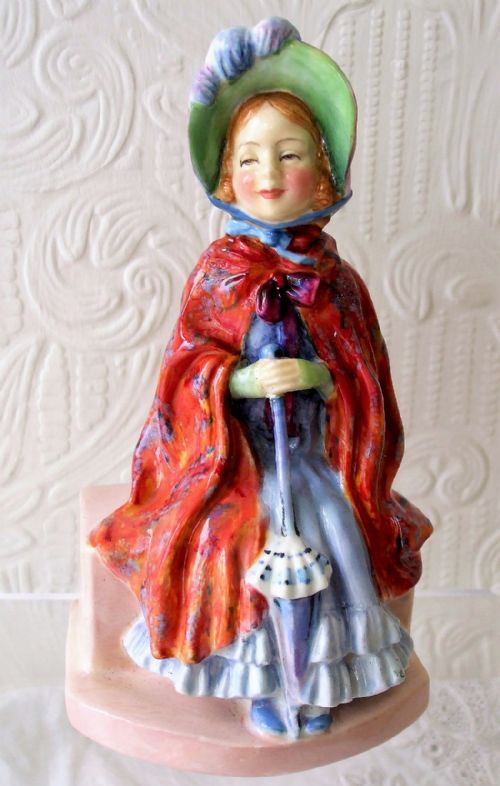
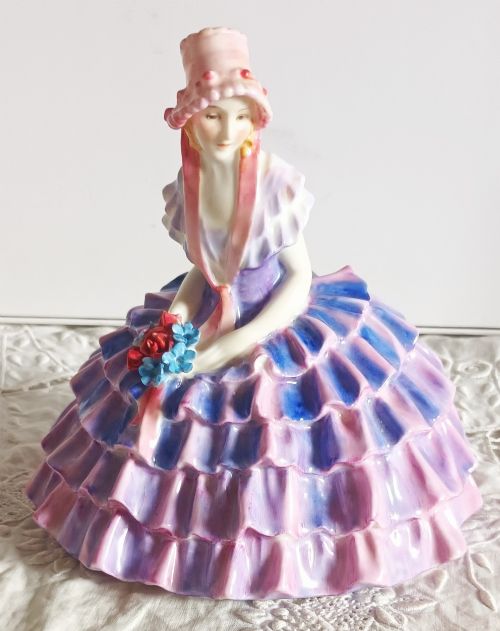
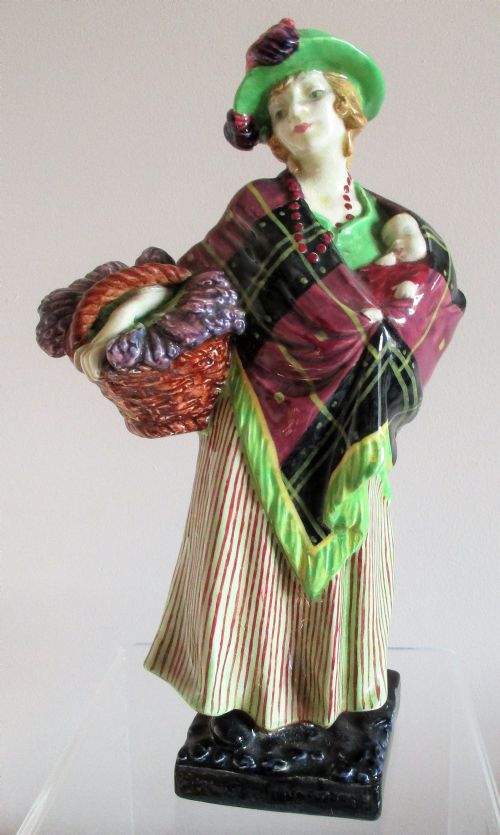
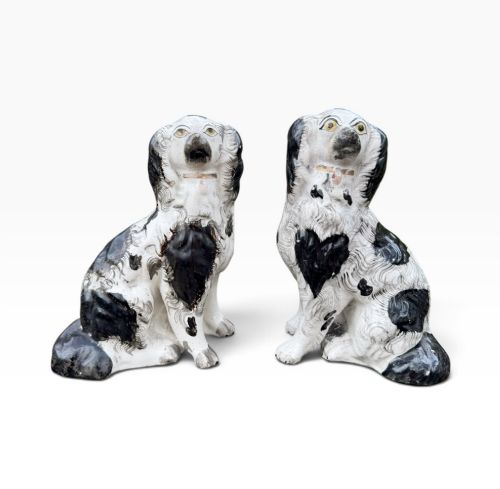
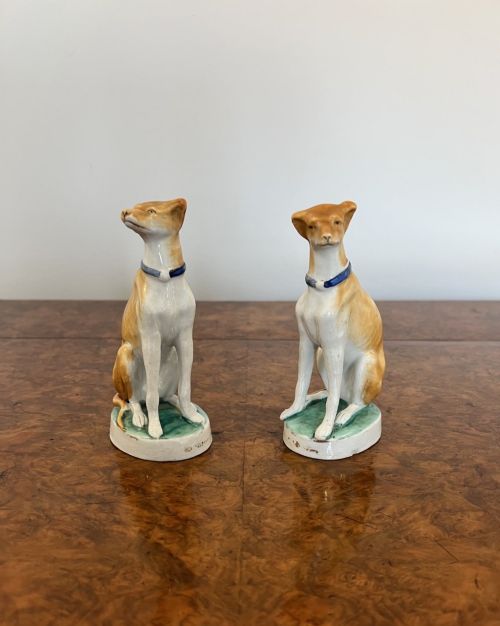
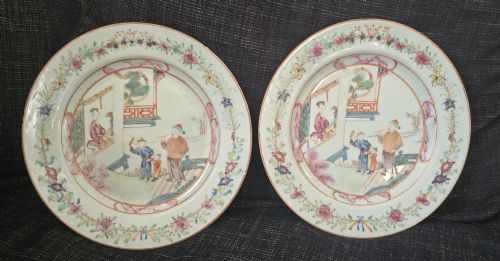
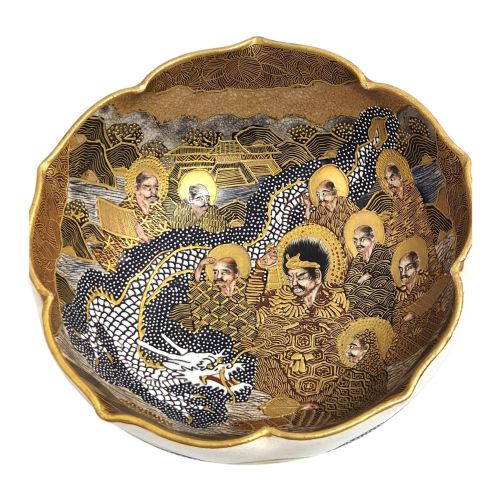
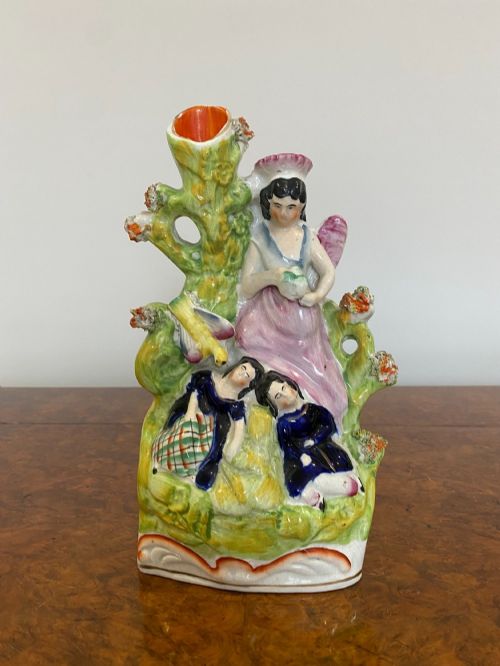
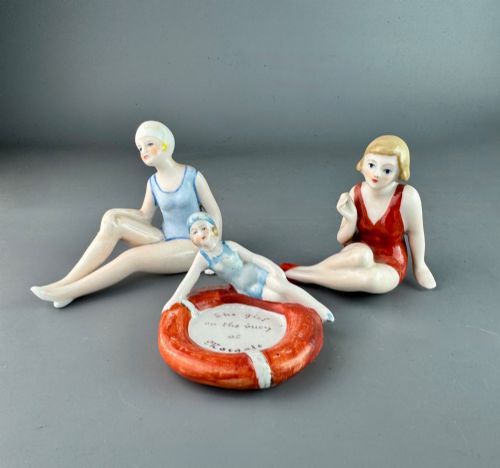
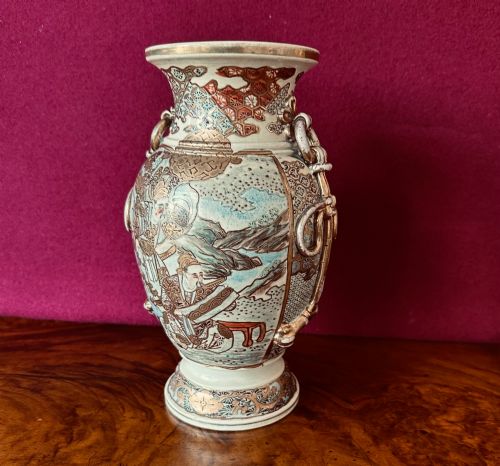
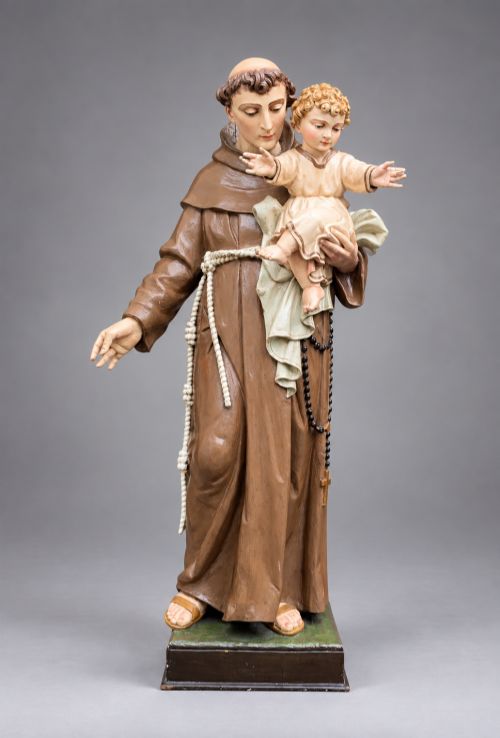
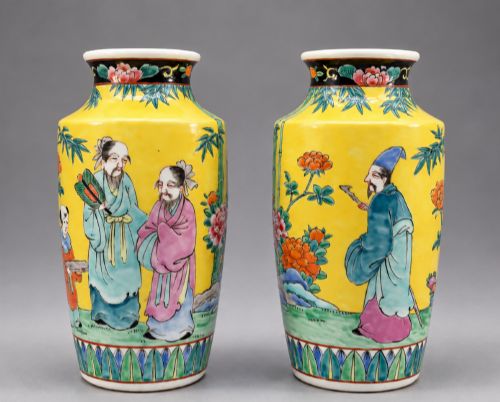
Hand painted figures encompass porcelain figurines, earthenware characters, carved wooden saints, and pottery animals originating from British, European, and Asian workshops. You will encounter Victorian Staffordshire personages alongside early twentieth-century Royal Doulton ladies, Meissen groupings, and Japanese Satsuma figures.
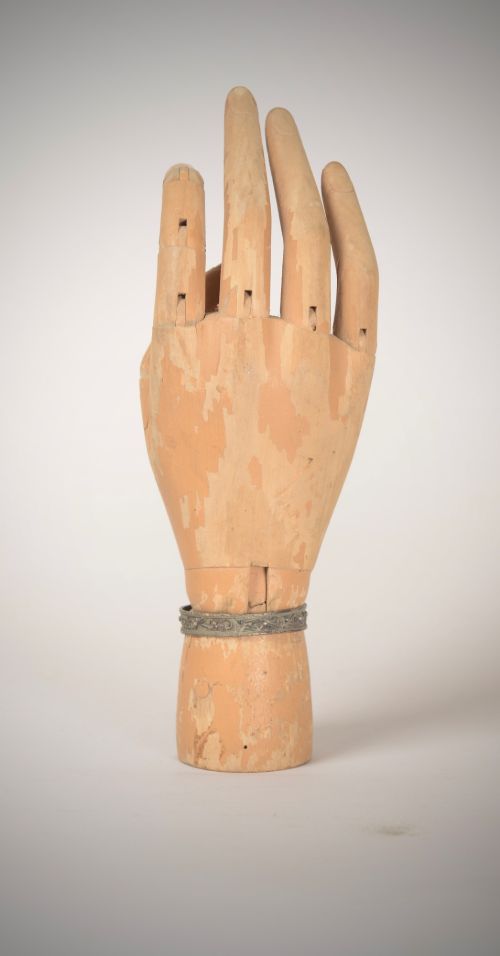
The selections range from utilitarian tobacco jars and decorative vases featuring figural scenes to dedicated ceramic sculptures and folk art toys. These objects bridge the gap between functional household items and pure decorative sculpture, spanning periods from the eighteenth century through to the mid-twentieth century.
How they were made
Makers shaped porcelain, earthenware, clay, and wood before applying pigments, enamel, and gold leaf by hand. Glaze was often fired over the painted decoration to seal the colours, while wooden sculptures relied on direct carving and polychrome paint layers.
Hand Painted Figures Retail Price Guide 2026
Typical asking prices for hand painted figures among the pieces listed under this phrase on Sellingantiques today, from the lower quarter to the upper quarter. They describe what is for sale here now, not the wider market.
Noah's ark sets arrive complete with dozens of tiny wooden animals and birds alongside the painted human figures.
What varies in quality
The standard depends heavily on the precision of the brushwork and the delicacy of the modelling. Superior examples display subtle facial expressions and carefully shaded polychrome pigments without the muddy blending seen in coarser work.
Thoroughly articulated details in garments, hair, and accompanying foliage distinguish finer porcelain and carved wooden sculptures from mass-market equivalents.
Royal Doulton·Meissen·Charles Vyse·Nymphenburg·Volkstedt Rudolstadt Factory·John Bevington·Edme Sampson
The Hand Painted Figures Glossary
- Polychrome
- Decoration executed in multiple colours across ceramics, wood, or metal surfaces. Painters applied various mineral pigments to achieve lifelike clothing and natural scenery.
- Faience
- Tinned-glazed earthenware produced across France and continental Europe. It provides an opaque white background suitable for detailed hand-painted motifs.
- Enamel
- Vitreous composition fused to a ceramic or metal surface through firing. It yields bright, durable colours that retain their gloss over centuries.
Hand Painted Figures: Frequently Asked Questions
How do I clean antique painted figures?
Dust these pieces gently with a soft, dry brush to protect delicate painted surfaces and gold leaf highlights. Avoid water and chemical solvents, which can lift fragile pigments from earthenware and porcelain bodies.
For sturdier glazed ceramics, a slightly damp cloth may be used cautiously on non-painted areas, ensuring the piece dries completely afterwards.
How can I tell the period of a figure?
Examine the base for factory marks, impressed numbers, and painter signatures that align with known production dates. The style of the clothing and the manufacturing technique also offer strong clues to whether an item belongs to the eighteenth, nineteenth, or twentieth century.
Porcelain bodies feel different across eras, shifting from heavy early earthenware to refined bone china and delicate nineteenth-century pastes.
Where should I display ceramic figures?
Keep these objects in stable environments away from direct sunlight, which can fade hand-painted enamels over time. Enclosed cabinets protect delicate porcelain extremities and carved wooden details from accidental knocks.
Ensure shelves are level and secure, as many figurines feature high centres of gravity due to their poses.
What is the difference between porcelain and earthenware?
Porcelain is fired at much higher temperatures until the clay vitrifies into a non-porous, hard material that often transmits light. Earthenware remains more porous and requires a complete glaze to seal the body.
Figurines made from earthenware tend to feel heavier and show thicker walls than their delicate porcelain counterparts.