


Hand Painted Candlesticks
Hand painted candlesticks bring together domestic utility and ceramic or glass artistry, offering a decorative surface that elevates any mantelpiece.
Hand Painted Candlesticks
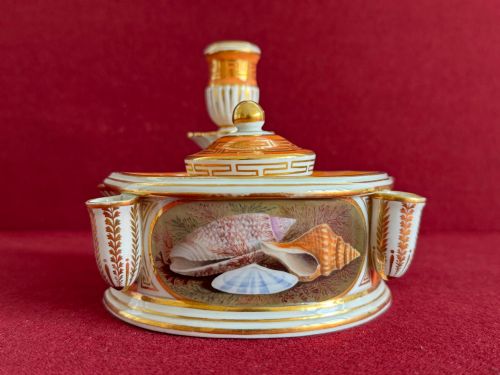
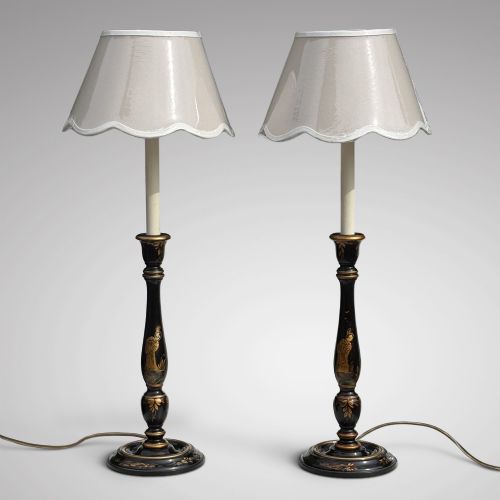
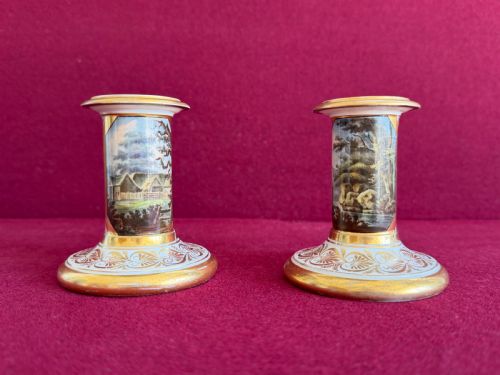
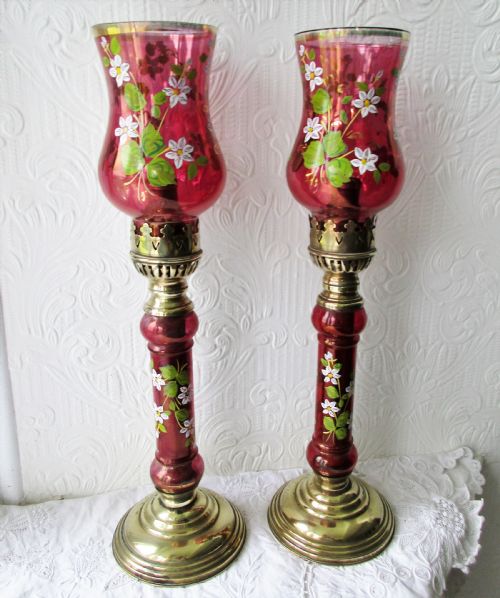
When you search for hand painted candlesticks, you encounter a varied selection of lighting pieces spanning multiple centuries and aesthetic traditions. The examples found here range from Georgian porcelain figures and Regency porcelain to Victorian glass lustres, brass candle-lamps, and lacquered Kashmiri forms.
You are most likely to meet 19th-century and Georgian pieces, particularly porcelain items from factories like Derby, Worcester, and Minton, alongside vibrant glass and enamel table items. Forms extend beyond simple candlesticks to include multi-arm candelabra, mantel lustres, and converted table lamps.
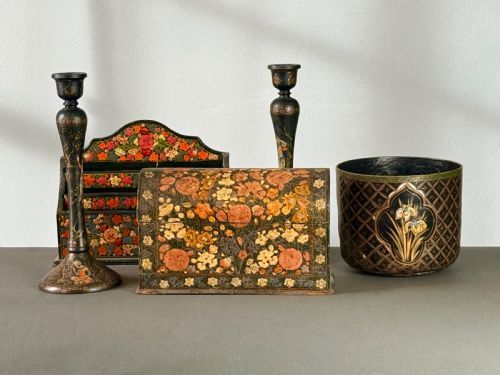
The aesthetic scope stretches from Rococo Revival curves and Chinoiserie motifs to French Chateau elegance and Anglo-Indian lacquer work. Each piece serves both a functional role and acts as a canvas for detailed brushwork and gilding.
How they were made
Makers utilised fine porcelain, glass, brass, and wood, frequently enhancing surfaces with enamel, gold leaf, and hand-applied pigments. Ceramic pieces involved shaping clay bodies before applying intricate hand-painted decoration, often followed by multiple firings to fix the colours and gilding.
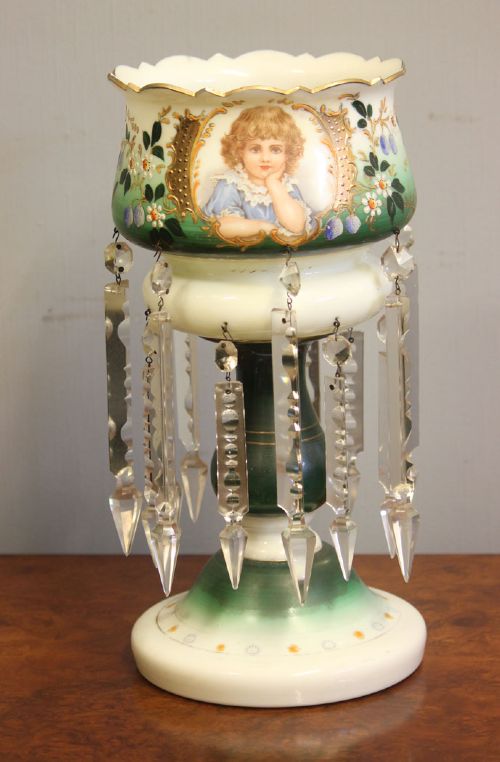
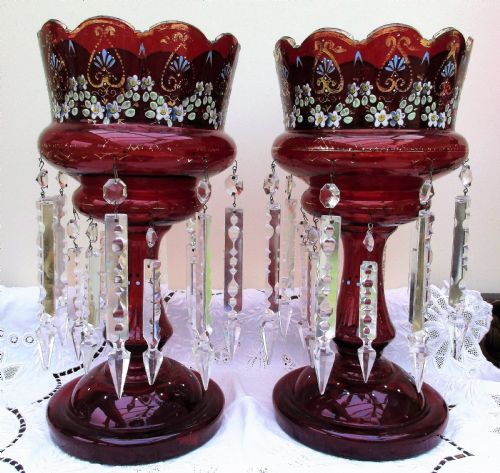
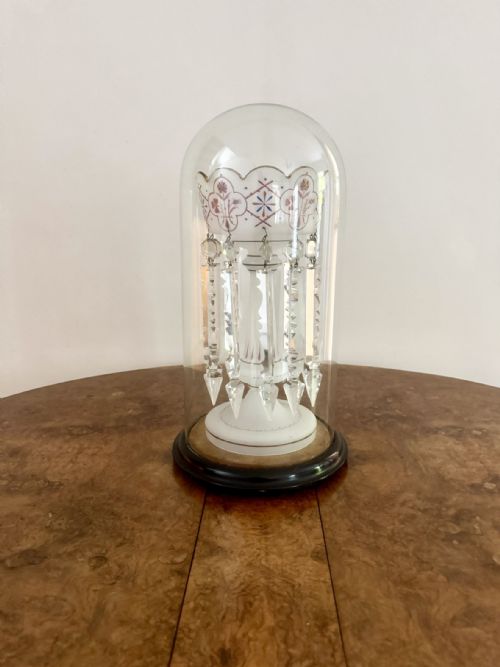
Glass items such as Victorian ruby glass lustres and opaline lamp holders relied on glass-blowing techniques combined with cut crystal drops and hand-painted floral or gilt detailing. Lacquered and wooden pieces, including Kashmiri table lamps and letter racks, incorporated layers of lacquer over a solid core, painted by hand with traditional regional motifs.
Musicians surrounded by leafy bocage will serenade your mantelpiece forever without ever needing to tune their porcelain instruments.
What varies in quality
The standard of hand painted candlesticks depends heavily on the precision of the brushwork and the clarity of the underlying material, whether porcelain, glass, or brass. Superior examples exhibit fine, deliberate control in the painted details, crisp moulding, and well-preserved gilding or enamel work.
Artistic execution distinguishes exceptional figural candelabra and mantel lustres from standard production items, particularly in the rendering of facial expressions on figures and the balanced composition of floral or landscape scenes. The integration of applied elements, such as crystal prisms and gold leaf accents, further determines the overall sophistication of the piece.
Flight and Barr·Barr Flight and Barr·Spode·Derby·Sitzendorf·Dresden·Helena Wolfsohn·Minton·Sevres·Decoro England
The Hand Painted Candlesticks Glossary
- Mantel lustre
- A decorative glass or porcelain vase fitted with hanging crystal prisms designed to catch the light. They typically sit on a mantelpiece alongside matching candlesticks.
- Bocage
- An encrustation of applied ceramic foliage and leaves behind a figure or group, common in 18th-century porcelain. It provides a naturalistic, wooded backdrop for figural candlesticks.
- Opaline glass
- An opaque, slightly translucent art glass popular in the 19th century, often tinted in soft shades and hand-painted. It creates a milky surface ideal for surface decoration.
- Candelabra
- A branched candlestick holding multiple candles on separate arms. These pieces often feature central figural stems and elaborate painted details.
Hand Painted Candlesticks: Frequently Asked Questions
How do I clean antique porcelain candlesticks?
Clean porcelain gently using a soft, dry cloth or a slightly damp brush to remove surface dust without disturbing the hand-painted details or gold leaf.
Avoid soaking ceramic pieces or using harsh chemical cleaners, as moisture can penetrate hairline fractures and modern detergents can damage aged enamel pigments.
Were these candlesticks used for everyday lighting?
Many of these pieces served as formal table ornaments or mantel displays in prosperous households, utilising wax candles for evening illumination.
Finer porcelain and glass items were often kept primarily for decorative effect rather than heavy daily use, protecting the delicate hand-painted surfaces from soot and heat.
How can I tell Georgian porcelain from Victorian glass?
Georgian porcelain candlesticks typically exhibit fine ceramic bodies with hand-painted floral, figural, or heraldic motifs, often associated with early factories like Derby or Worcester.
Victorian glass pieces, by contrast, rely on coloured ruby or opaline glass, frequently augmented with hanging crystal prisms and heavy gilt highlights.
Can I still use these for candles today?
You can place standard taper candles into most antique candlesticks, provided the socket diameter matches the candle base securely.
Exercise caution with antique figural or glass items to prevent wax drippings from contacting vulnerable hand-painted surfaces or delicate crystal lustres.