



Hand Painted Barrel
A hand painted barrel brings vibrant colour and character to a room, ranging from small ceramic table pieces to large garden furniture.
Hand Painted Barrel
When you search for a hand painted barrel, you encounter a diverse group of objects spanning biscuit jars, spirit dispensers, plant stands, and large garden seats. The items found here cross several distinct traditions, including nineteenth-century English kitchen wares, European folk carvings, and classical Chinese ceramics.
The domestic table pieces are most commonly represented by biscuit barrels and storage jars made from ceramic, glass, or wood. These smaller vessels often feature delicate enamel decoration and metal hardware, designed to sit neatly upon a Victorian or Edwardian sideboard.
Larger floor-standing examples include ceramic garden seats and lacquered pedestals from the nineteenth and early twentieth centuries. These substantial pieces demonstrate the traditional barrel form translated into functional furniture for both interior and exterior use.
How they were made
The construction of these pieces relies on traditional craftsmanship working with ceramic, glass, wood, and metal. Artisans shaped clay, turned timber, and blew glass before applying detailed painted finishes by hand.
Decoration was achieved through enamel painting, glaze work, and occasionally gold leaf application. Chinese porcelain items utilised complex blue and white or rose medallion painting techniques fired at high temperatures, while wooden sculptures and plant stands received layered paint and lacquer finishes.
Hand Painted Barrel Retail Price Guide 2026
Typical asking prices for hand painted barrel among the pieces listed under this phrase on Sellingantiques today, from the lower quarter to the upper quarter. They describe what is for sale here now, not the wider market.
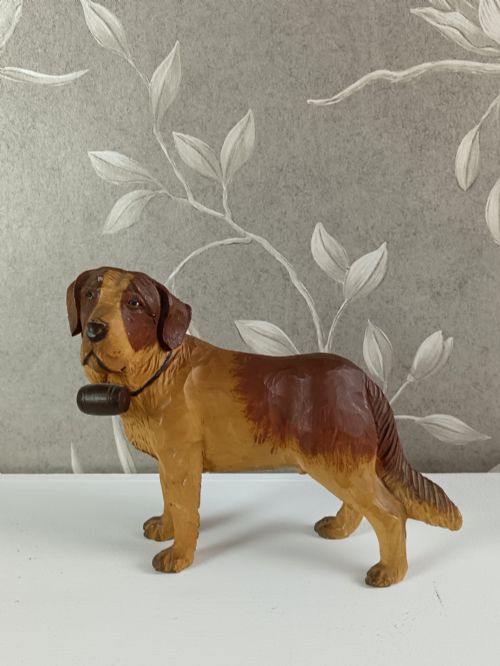
Keep an eye out for the wooden Saint Bernard rescue dog standing ready with a barrel, bridging sculpture and rescue lore.
What varies in quality
Quality in these pieces rests upon the precision of the hand-painted brushwork and the stability of the base material. Finer examples display crisp detail in floral motifs or figurative scenes, whereas simpler domestic wares exhibit looser, more repetitive folk decoration.
The integration of secondary materials, such as silver-plated mounts on ceramic biscuit jars or structural joinery in wooden items, dictates the overall refinement of the piece. Superior craftsmanship shows in the balanced proportions of the barrel body and the careful preservation of the original painted surface over time.
The Hand Painted Barrel Glossary
- Biscuit barrel
- A covered ceramic, glass, or wooden container used originally for storing dry sweet biscuits on the dining table. They frequently feature decorative metal lids and swing handles.
- Garden seat
- A large ceramic or wooden barrel-shaped stool designed to support a seated person or act as a display pedestal. These pieces are heavily glazed and painted for outdoor or indoor placement.
- Rose medallion
- A distinctive style of Chinese porcelain decoration characterised by panels filled with figures, birds, and flowers, surrounded by green and pink enamel details.
- Enamel
- A hard, glossy substance made of melted glass powder applied to metal, glass, or ceramic surfaces and fired. It provides a durable and colourful decorative finish.
- Spirit dispenser
- A specialised container fitted with a tap or opening for holding and pouring alcoholic beverages. These items often stand on flat-backed wooden or ceramic bases for stability.
Hand Painted Barrel: Frequently Asked Questions
How were garden seats used?
Garden seats served as functional furniture pieces that could be moved between indoor reception rooms, conservatories, and outdoor garden spaces. Their barrel shape provided a sturdy base for seating or displaying decorative plants.
In the listings, these items appear as heavy ceramic or lacquered wooden forms, frequently decorated with traditional painted motifs.
Are these barrels waterproof?
Ceramic and glass barrels, such as biscuit jars and garden seats, are generally impervious to water due to their glazed finishes. However, wooden items and older painted surfaces require careful handling to prevent moisture damage.
Owners should check the specific material of their piece before exposing it to damp conditions or direct garden soil.
How do I date a piece?
Dating relies on identifying the material, manufacturing technique, and stylistic markers recorded in the piece description. Victorian and Edwardian items often show specific ceramic bodies and metal hardware styles characteristic of the late nineteenth century.
Chinese pieces span the Qing Dynasty and Republic periods, identifiable through distinct painting palettes such as rose medallion or blue and white designs.