

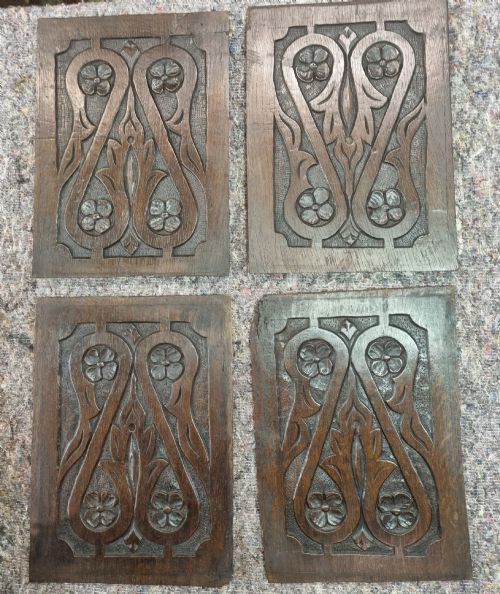
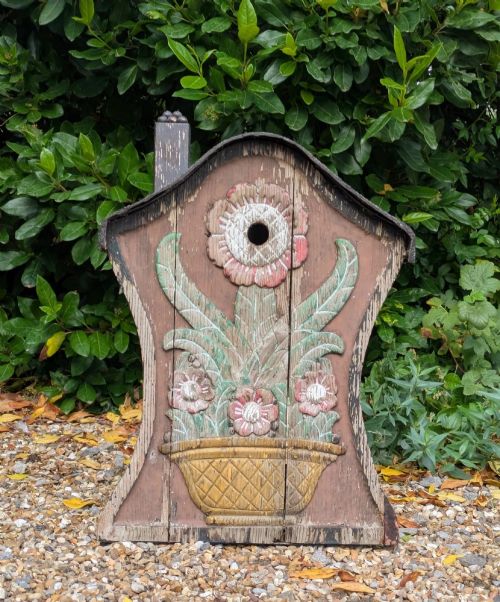
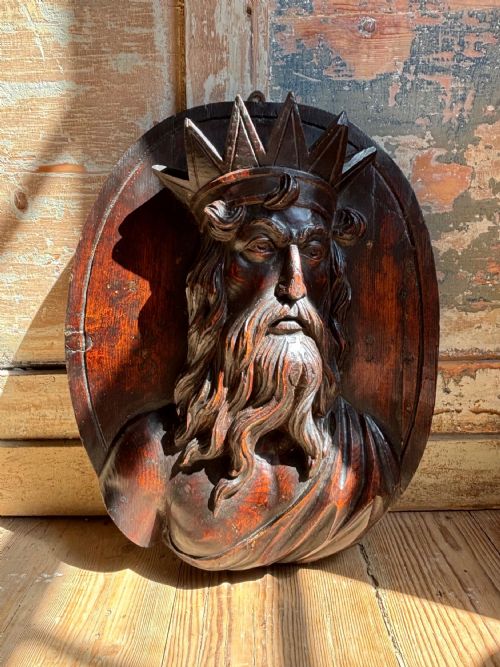
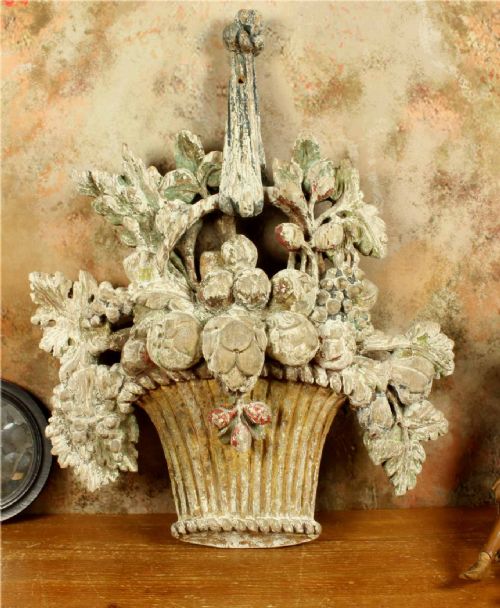



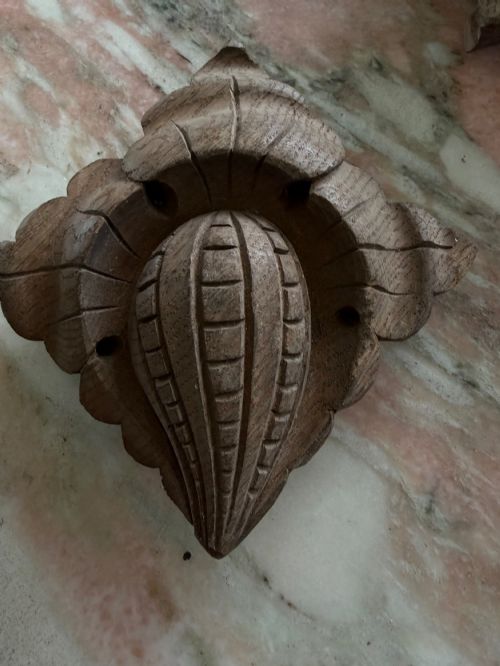


Hand Carved Wooden Panels
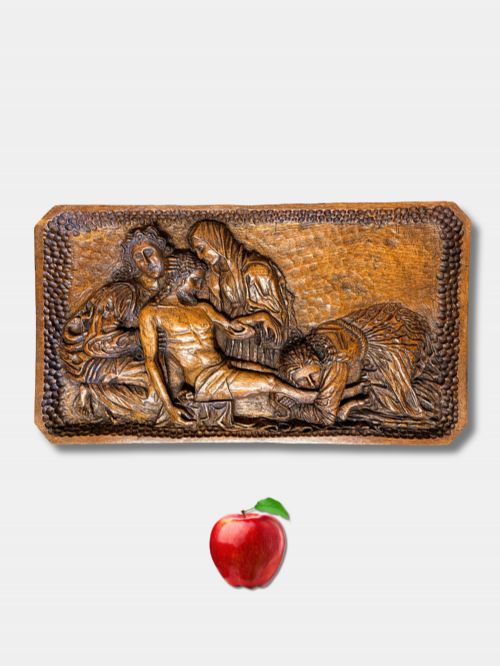
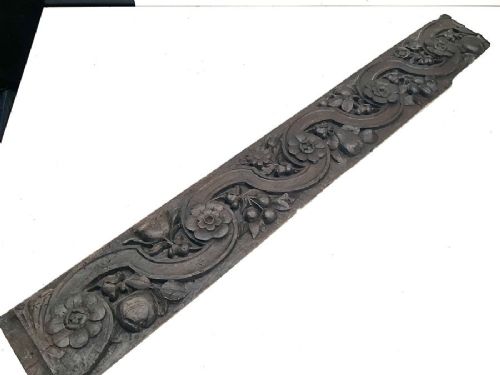
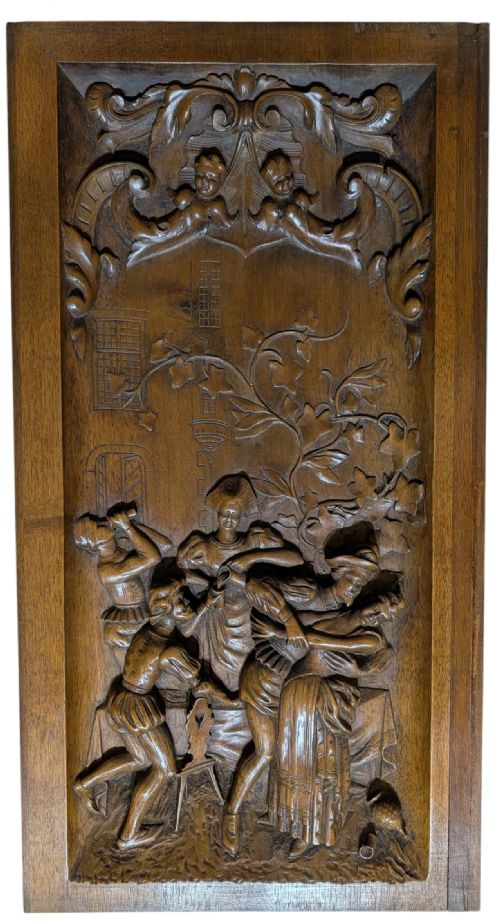
These hand carved wooden panels bring centuries of texture and architectural salvage into a room, offering deep relief and rich grain.
Hand Carved Wooden Panels
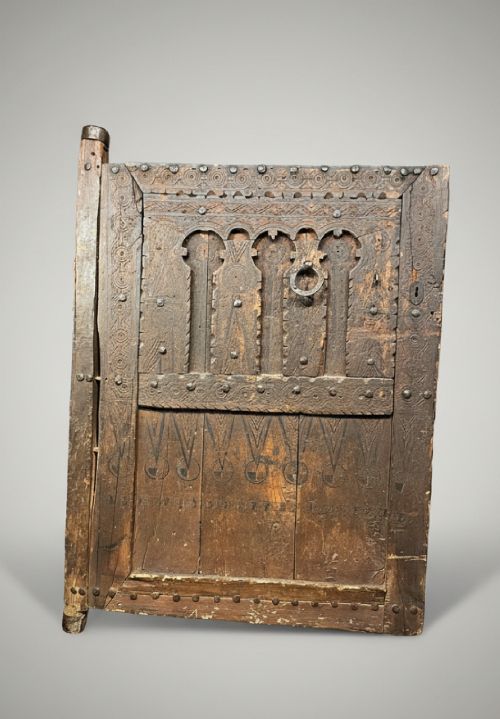
When you search for hand carved wooden panels, you encounter an array of architectural fragments, decorative plaques, and screens spanning multiple centuries. The pieces on this page range from English Tudor oak and French ceiling bosses to Qing Dynasty temple carvings and Indian painted doors.
Most examples function as wall art, wall plaques, or structural remnants salvaged from historic buildings, French chateaux, and international residences. Common formats include rectangular wall panels, folding screens, ceiling roses, and architectural fragments repurposed for modern interiors.
How they were made
The makers utilised traditional timbers such as oak, walnut, chestnut, limewood, teak, and various hardwoods, often working with hand chisels and gouges to achieve deep relief. Selected pieces incorporate added surface interest through paint, gilt wood, and iron or brass hardware.
Construction techniques follow regional woodworking traditions, from pegged structural joints in European architectural salvage to intricate fretwork and joinery found in Asian screens and doors.
What varies in quality
Depth of carving and clarity of detail separate standard decorative elements from exceptional sculptural works. Crisp edges on high-relief figures and foliage indicate superior carving skill.
Original surface preservation heavily influences the character of each piece. Retained historic paint, untouched patination on raw timber, and intact structural frames hold greater integrity than overly restored surfaces.
The Hand Carved Wooden Panels Glossary
- Architectural salvage
- Building elements rescued from demolition or renovation for decorative reuse. These items often retain original fixings and weathering from their exterior or interior placement.
- Ceiling boss
- A decorative projecting block placed at the intersection of ribs in a ceiling vault. In wood, these take the form of carved roundels or floral rosettes.
- Gilt wood
- Timber treated with a thin layer of gold leaf or gold paint. This technique highlights carved details through reflective metallic sheen.
- Fretwork
- Ornamental design rendered by cutting patterns through thin boards with a scroll saw or piercing tools. It creates openwork screens and panels.
- Relief carving
- Sculpture where figures project from a flat background surface. Deep relief creates strong shadows and three-dimensional depth.
Hand Carved Wooden Panels: Frequently Asked Questions
How do I hang a heavy wooden panel?
Heavy panels require secure wall fixings distributed across the structural weight of the timber. Professional installation into wall studs or masonry ensures stable support for dense hardwoods and thick oak.
For fragile or historic pieces, custom metal brackets or French cleats help distribute the load evenly without damaging the original wood.
How do I clean and maintain antique wood?
Dust panels gently with a dry, soft cloth to prevent particulate accumulation in the carved crevices. Avoid liquid cleaners, oils, and silicone polishes that soften historic wax and trap moisture in the grain.
Maintaining stable indoor humidity prevents the timber from shrinking or cracking over seasonal changes.
How do I tell different periods apart?
Stylistic motifs and tooling marks offer clear clues to a panel's era, such as Gothic Revival tracery, Renaissance strapwork, or Qing Dynasty dragon motifs. Examining the back of the panel reveals tool signatures, such as pit-saw marks on earlier items versus machine-cut surfaces on later pieces.
Wood choice also guides dating, with dense native oaks common in early European pieces and exotic hardwoods typical of colonial and Asian trade items.