


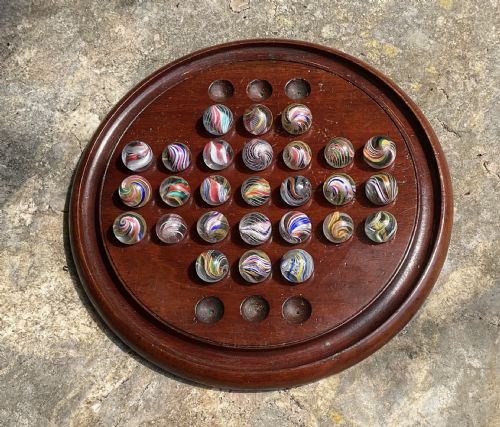


Hand Carved Wooden Board
These hand carved wooden board items bring tactile warmth and distinct character to a room, offering functional utility alongside handcrafted artistic detail.
Hand Carved Wooden Board
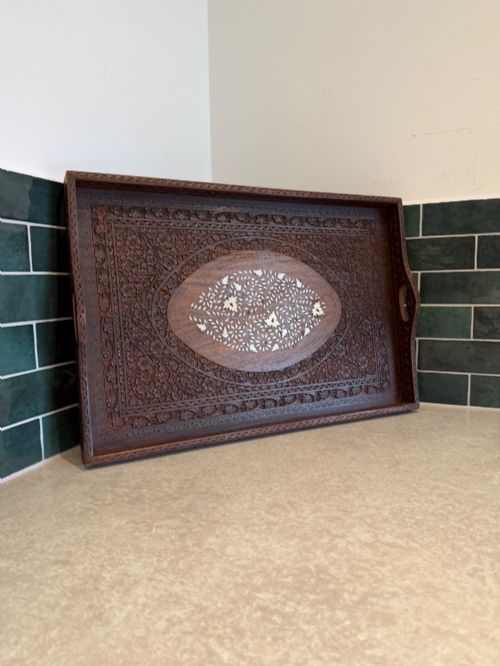
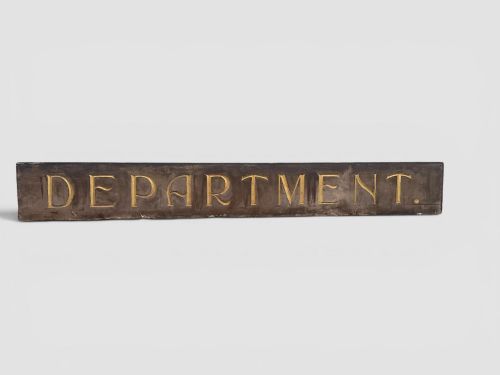
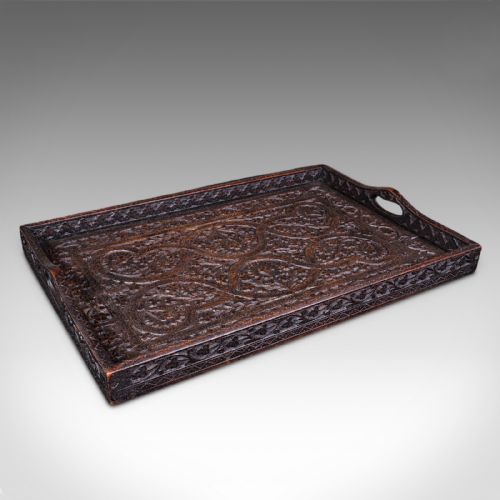
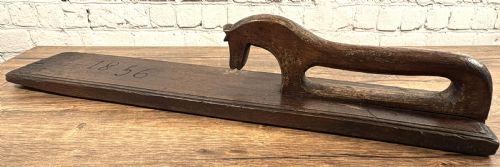
When you search for hand carved wooden board, you encounter a diverse assortment of utilitarian items and decorative panels dating from the nineteenth century up through the nineteen-twenties. These pieces range from Norwegian mangle boards with horse head handles and Indian shisham wood platters to trade signs and decorative wall panels.
The selection on this page leans heavily toward nineteenth century items, encompassing Victorian folk art, Anglo-Indian serving trays, and Scandinavian country pieces. You will find items that served practical domestic or commercial roles, such as locksmith signs, solitaire boards, and tea platters.
Originating from various traditions including English, French, Indian, and Scandinavian workshops, each hand carved wooden board reflects regional carving methods and material choices of its specific era. Buyers seek these items for their historical depth and the individual touch of the artisan.
How they were made
The construction of a hand carved wooden board relies on dense hardwoods such as oak, walnut, teak, mahogany, and shisham, selected for their durability and grain. Artisans shaped these timbers using traditional hand tools, carving intricate patterns, lettering, or figurative elements directly into the surface.
Many examples incorporate supplementary materials and decorative techniques like paint, gold leaf, and bone inlay to enhance the visual impact of the carving. Surface finishes range from natural oiled timber to painted pharmacy signboards and pokerwork floral designs.
Structural elements vary by function, from the solid single-piece construction of treen lace folders and solitaire boards to joined trade signs and decorative wall panels. The physical evidence of hand tool work remains visible across the surfaces of these items.
Hand Carved Wooden Board Retail Price Guide 2026
Typical asking prices for hand carved wooden board among the pieces listed under this phrase on Sellingantiques today, from the lower quarter to the upper quarter. They describe what is for sale here now, not the wider market.
The listings on this site feature items from the nineteenth century, Victorian period, nineteen-ten, and nineteen-twenty.
What varies in quality
The quality of a hand carved wooden board is determined by the depth and precision of the carving, alongside the complexity of the design. Sharply defined motifs and confident handling of the material distinguish superior work from simpler execution.
Original surface preservation heavily influences the appeal of each piece, whether dealing with untouched patinated timber, historical paint layers, or applied gold leaf. Surviving elements like horse head handles or complete sets of marbles on solitaire boards add to the integrity of the object.
The choice of timber and the quality of the joinery also play significant roles, with denser hardwoods and well-executed regional construction reflecting higher standards of period craftsmanship.
The Hand Carved Wooden Board Glossary
- Mangle board
- A traditional Scandinavian wooden board used with a roller to smooth linen. These boards frequently feature decorative carving and figural handles such as horse heads.
- Pokerwork
- The art of decorating wood by burning designs with a heated metal point. It creates dark, textured lines on storage units and decorative panels.
- Shisham
- A durable Indian rosewood utilised for platters and trays. It provides a rich grain and deep colour suitable for detailed hand carving.
- Solitaire board
- A tabletop board drilled with depressions to hold marbles for a single-player game. Victorian versions are often turned and carved from solid mahogany.
Hand Carved Wooden Board: Frequently Asked Questions
What is a mangle board used for?
A mangle board served as a domestic laundry tool in Scandinavia, where it was wrapped around a roller to flatten and smooth woven textiles. The carved boards were often given as betrothal gifts.
Today, these boards function primarily as decorative wall art or sculptural shelf objects, appreciated for their folkloric handles and deep nineteenth-century carving.
How do I date an antique wooden board?
Dating relies on examining the tool marks, timber species, hardware, and surface wear visible on the object. Nineteenth-century pieces often show hand-sawn board backs and specific regional carving styles.
Comparing the construction methods and decorative motifs to documented examples from periods like the Victorian era or the nineteen-twenties helps establish an accurate timeframe.
Where should I display a trade sign?
Trade signs and painted shop boards suit prominent wall placements in kitchens, hallways, or living spaces where their lettering and graphics can be clearly viewed. Their sturdy wooden construction makes them straightforward to hang securely.
Ensure the hanging location avoids direct sunlight and excessive humidity to preserve the original paint, gold leaf, and wooden surfaces.
What is Anglo-Indian carving?
Anglo-Indian carving refers to decorative woodwork produced in India during the nineteenth century, often tailored in form for British domestic tastes such as afternoon tea platters and serving trays. These items combine traditional Indian floral motifs with Western functional shapes.
They are characterised by dense, intricate foliage patterns carved into exotic hardwoods, occasionally accented with materials like bone inlay.