



Hand Carved Wood Box
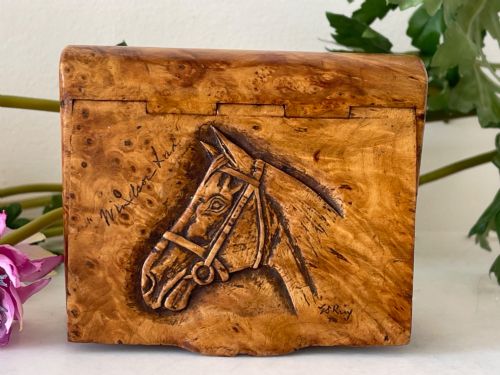
A hand carved wood box carries the marks of personal labour, shifting from small walnut snuff containers to large camphor storage trunks.
Hand Carved Wood Box
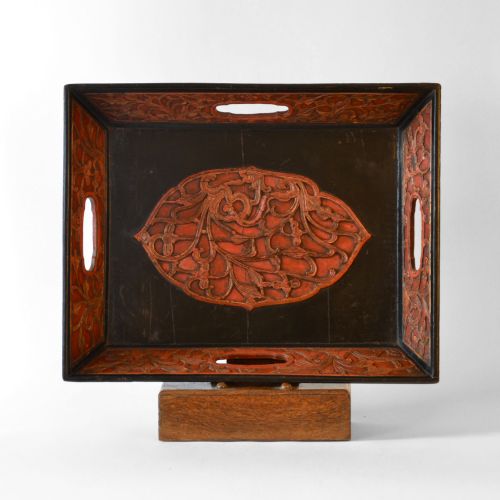
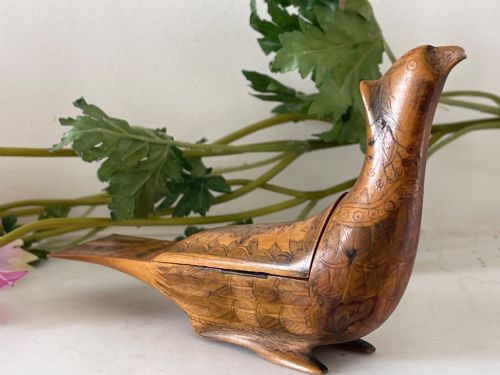
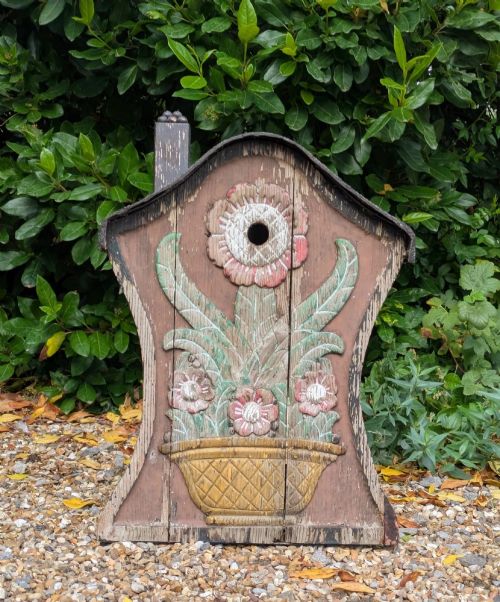
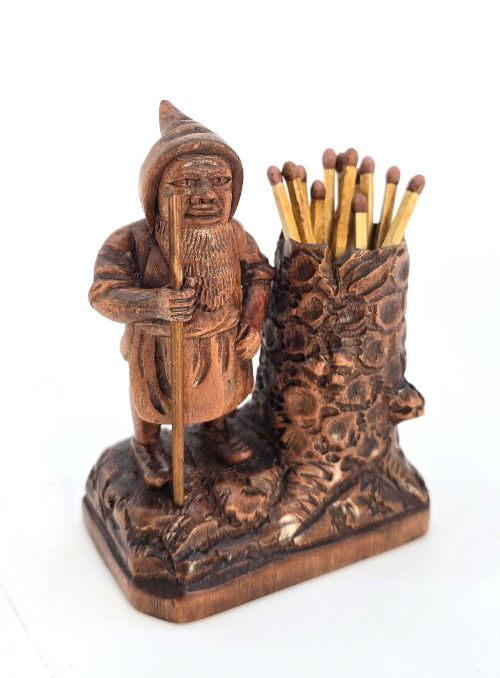
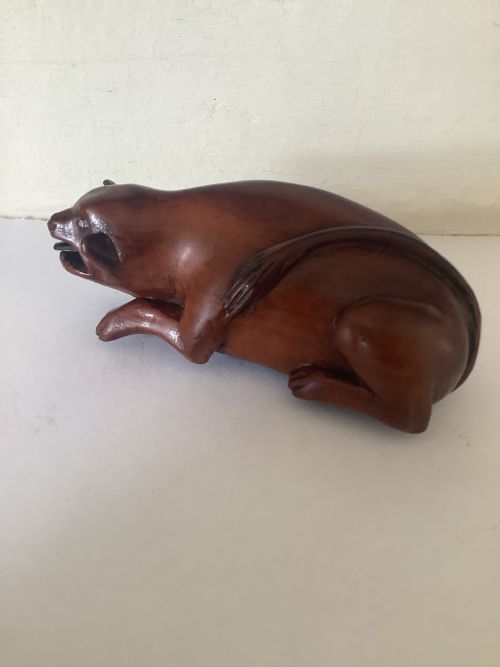
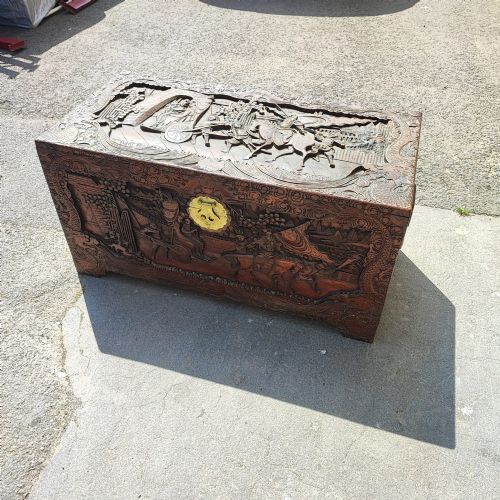
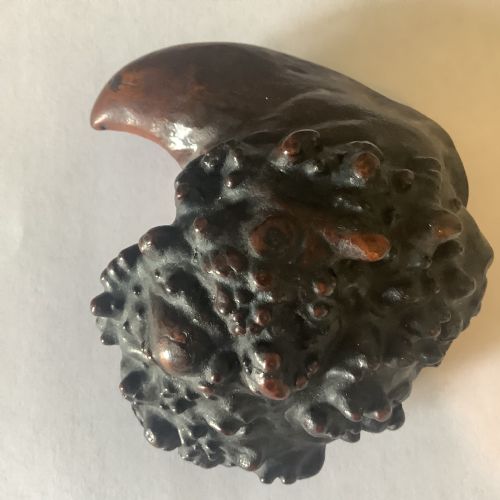
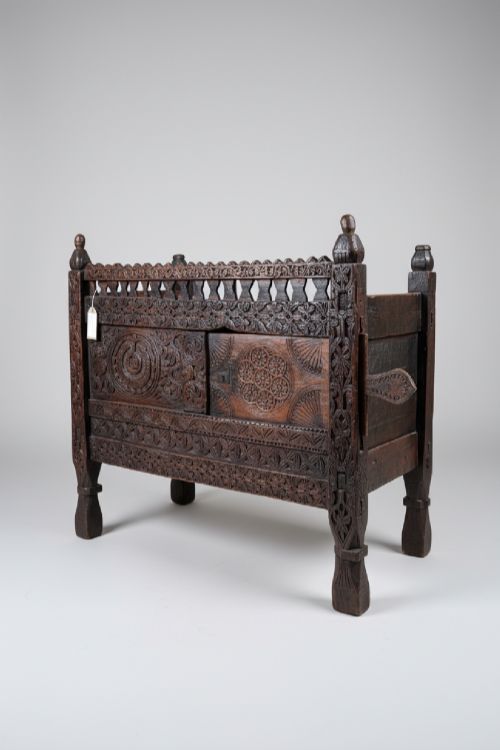
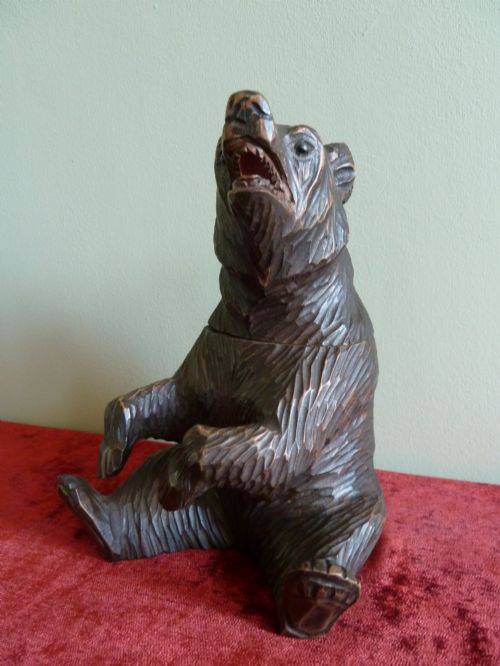
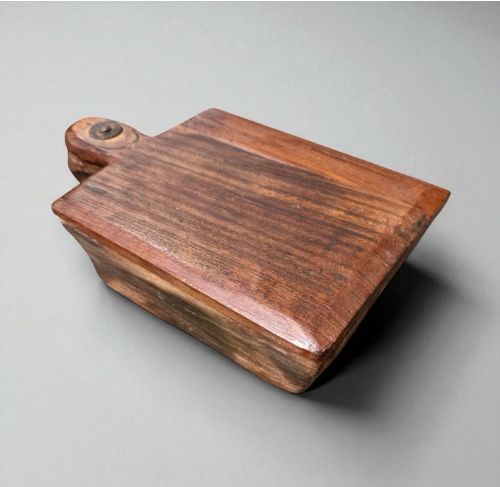
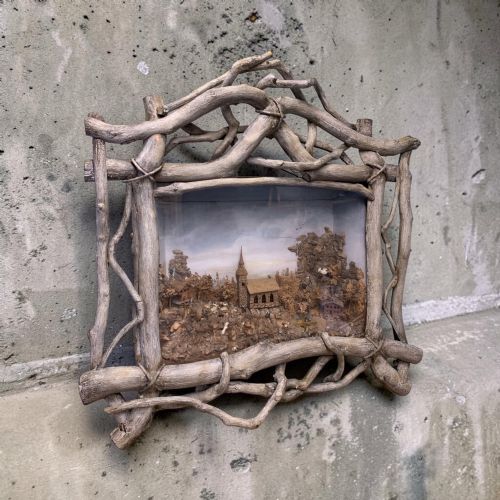
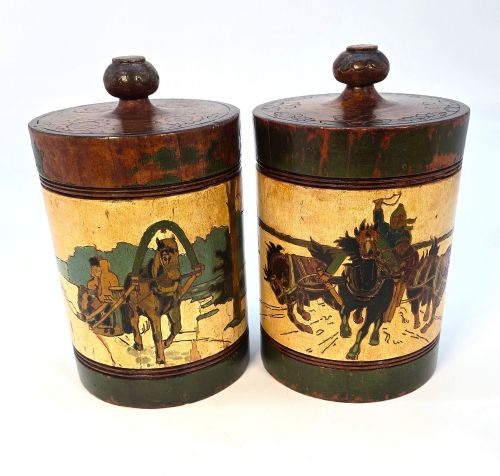
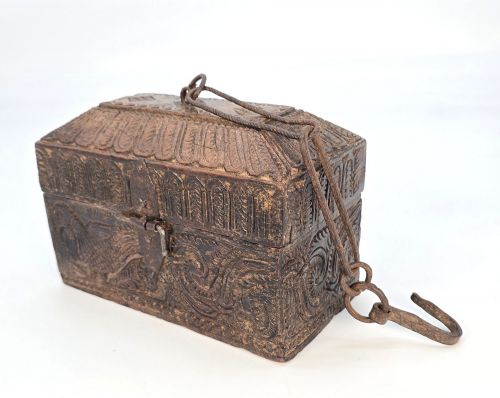
A hand carved wood box encompasses items designed for containment and display, ranging from miniature snuff containers and match holders to large camphor storage trunks and dowry chests. Buyers encountering this selection will find domestic objects shaped by regional traditions, including European folk art, Black Forest animal carvings, and Anglo-Indian sandalwood caskets.
The objects span multiple centuries, with the nineteenth century heavily represented alongside Edwardian pieces and select eighteenth-century examples. Forms divide into utilitarian desk accessories, personal jewellery caskets, and substantial trunks meant for travel or household storage.
What varies in quality
Quality rests upon the depth and clarity of the carving, distinguishing casual notch work from highly articulated sculptural figures and botanical reliefs. Crisp edges, symmetrical proportions, and deliberate detailing set superior examples apart from simpler utilitarian pieces.
The condition of the timber and the preservation of the original surface patina dictate the desirability of a piece. Intact hinges, original locks, and minimal timber shrinkage indicate careful historical preservation.
Hand Carved Wood Box Retail Price Guide 2026
Typical asking prices for hand carved wood box among the pieces listed under this phrase on Sellingantiques today, from the lower quarter to the upper quarter. They describe what is for sale here now, not the wider market.
Several boxes take the literal form of a hand holding a pinch of snuff, a gnome, or a miserable face.
The Hand Carved Wood Box Glossary
- Black Forest
- A regional style of carving originating in Switzerland and Germany, known for realistic animal motifs and detailed foliage. Pieces typically utilise walnut or lime wood.
- Tramp art
- A form of folk woodwork created by chipping and layering notched pieces of scrap timber, often cigar boxes. The technique results in geometric, stepped surface patterns.
- Sarcophagus
- A casket shape featuring a domed or sloping lid atop a tapered rectangular body. This form frequently appears on nineteenth-century sandalwood and hardwood jewellery boxes.
- Treen
- Small handmade wooden household objects created before the advent of mass production. The category includes boxes, containers, and domestic utensils shaped on a lathe or by hand.
Hand Carved Wood Box: Frequently Asked Questions
What were small carved wooden boxes used for?
Pocket-sized containers held tobacco, snuff, matches, or coins for daily use. Their tight lids kept contents dry and secure during travel.
Larger versions sat on desks or dressing tables to store letters, trinkets, and jewellery.
How do I identify Black Forest carvings?
These pieces depict bears, dogs, and forest foliage carved in deep relief from dark walnut. The surfaces show tactile texture designed to mimic natural fur and bark.
Many incorporate functional elements like hinged lids for cigars or card games.
What is camphor wood used for?
Camphor wood provides a dense, aromatic timber naturally resistant to insects. Trunks and chests utilise this material to protect linens and garments during long storage.
The wood retains its distinct fragrance over generations.
How do I care for antique wooden boxes?
Keep wooden containers away from direct heat sources and strong sunlight to prevent the timber from splitting. Dust surfaces gently with a dry cloth without applying modern chemical polishes.
Stable indoor humidity preserves the original polish and prevents hinges from loosening.