







Hand Carved Sandstone
Hand carved sandstone pieces are weathered architectural salvage and garden ornaments that bring genuine historic texture and weight to outdoor spaces.
Hand Carved Sandstone
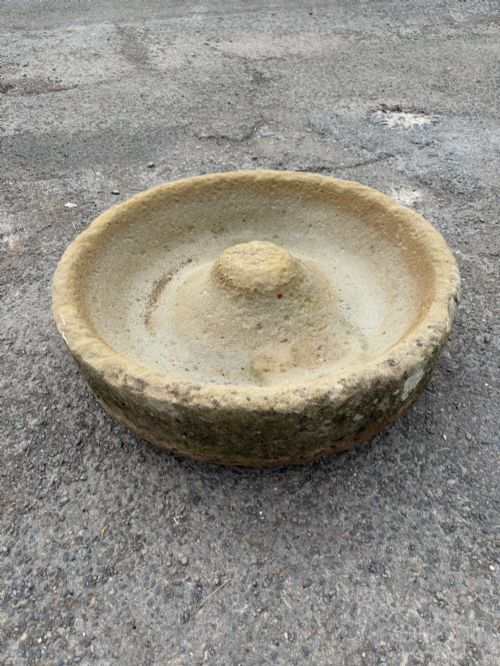
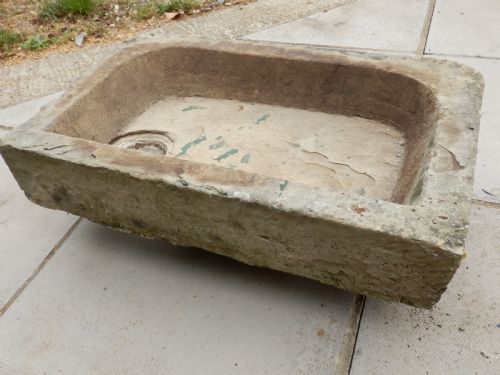
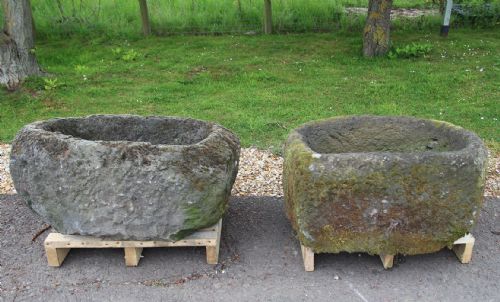
When you search for hand carved sandstone, you encounter functional agricultural items, garden troughs, planters, and architectural elements shaped from natural stone. These objects carry the marks of manual labour and long exposure to the elements across centuries of use.
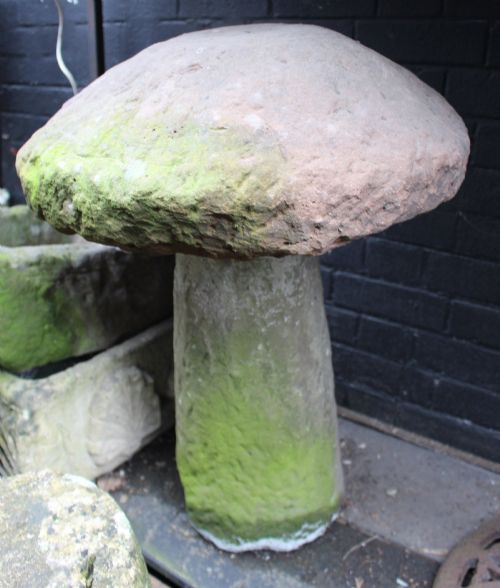
The pieces on this page span several distinct periods, most notably the eighteenth and nineteenth centuries, alongside older fragments and architectural salvage. You will frequently find utilitarian forms such as staddle stones, saddle stones, mill wheels, and mortars repurposed for modern gardens.
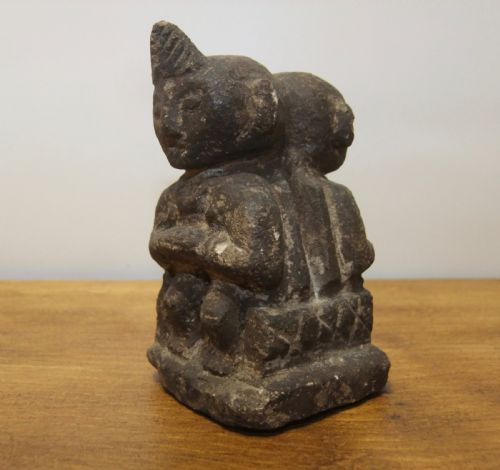
Geographic origins and stylistic influences vary widely, including English country vernacular work, Gothic revival fragments, and occasional Asian stone carvings from earlier dynasties. This mixture reflects both local stonemasonry traditions and the wider history of architectural reuse.
How they were made
Masons shaped these items directly from sedimentary rock using heavy iron chisels, mallets, and primitive quarrying tools. The resulting surface textures display tool marks, pit holes, and natural variations unique to sandstone and gritstone.
Many items incorporate organic surface patination such as moss, lichen, and general weathering accumulated through decades outdoors. This natural ageing process binds the material visually to its surroundings in gardens and yards.
Hand Carved Sandstone Retail Price Guide 2026
Typical asking prices for hand carved sandstone among the pieces listed under this phrase on Sellingantiques today, from the lower quarter to the upper quarter. They describe what is for sale here now, not the wider market.
Some garden planters carry fragments salvaged directly from the Blitz of World War Two.
What varies in quality
Quality in hand carved sandstone rests upon the integrity of the original form and the honesty of the weathering. Pieces that retain their structural utility and unrefined surface character command greater attention than those with aggressive modern repairs.
The depth and clarity of the chisel work distinguish routine utility items from superior sculptural fragments. Well-proportioned architectural columns and deliberate carvings show a distinct mastery of the stone by the original mason.
The Hand Carved Sandstone Glossary
- Staddlestone
- A mushroom-shaped stone support originally used to elevate granaries above damp ground and deter rodents. They now serve primarily as decorative garden ornaments.
- Gritstone
- A coarse-grained sedimentary rock, often quartz-based, frequently utilised in northern England for heavy troughs and millstones due to its durability.
- Architectural salvage
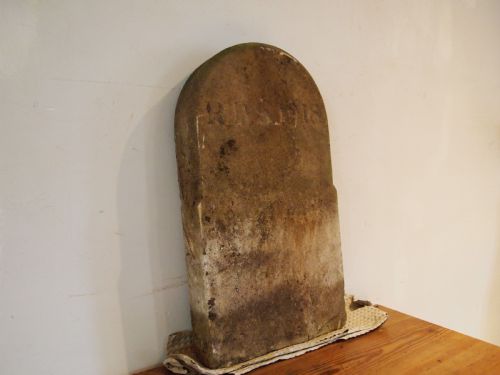
- Building materials and decorative fragments rescued from demolished structures for reuse in new settings. This category includes columns, fragments, and carved stones.
- Vernacular
- Architecture and objects built by local craftspeople using traditional materials to meet immediate practical needs, without grand architectural pretension.
Hand Carved Sandstone: Frequently Asked Questions
How do I clean lichen off sandstone?
You should generally leave lichen and moss in place because they protect the stone and contribute to the historic patina.
If cleaning is necessary for structural reasons, use plain water and a soft brush rather than harsh chemicals or pressure washers, which damage the surface.
Can sandstone troughs stay outside in winter?
Genuine sandstone troughs and staddle stones are robust enough to withstand freezing temperatures if the stone is sound and well-drained.
Ensure that standing water inside planters does not freeze and expand repeatedly, which can occasionally cause stress fractures in older material.
How can I tell the age of carved stone?
Dating relies on tool marks, wear patterns, and stylistic details that match documented periods of architecture and rural craft.
Hand-chiselled surfaces left by traditional irons differ markedly from later machine-sawn edges, helping to separate older items from recent reproductions.
Are old mill stones too heavy for a garden?
Mill stones and large troughs possess immense weight, often requiring mechanical lifting equipment for safe delivery and placement.
Once positioned directly on firm ground or compacted hardcore, their sheer mass keeps them stable without permanent foundations.