





Hand Carved Relief
Hand carved relief brings depth and tactile history to a room through sculpted timber and stone.
Hand Carved Relief
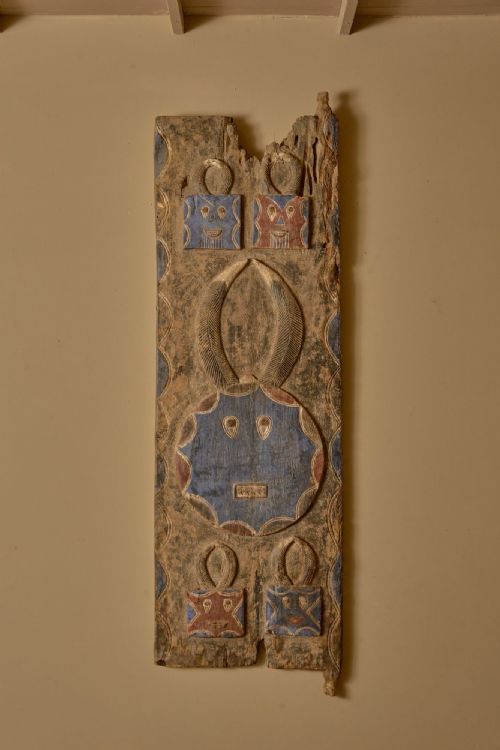
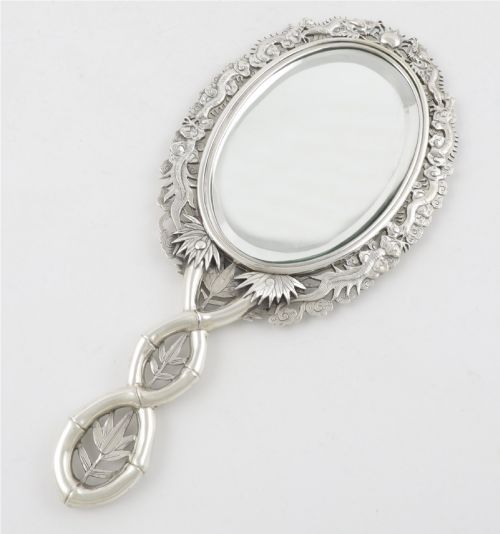
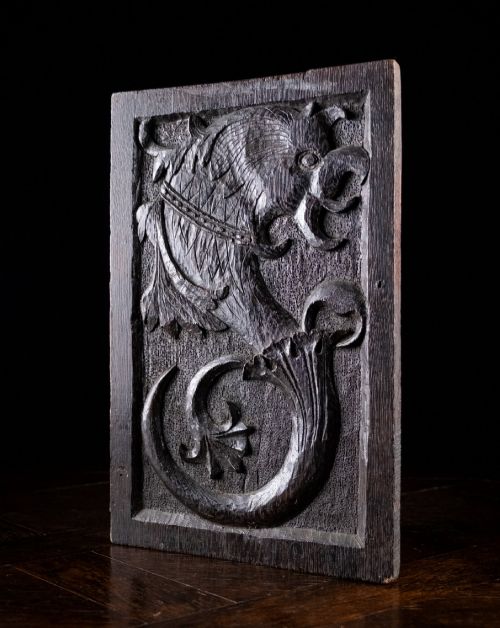
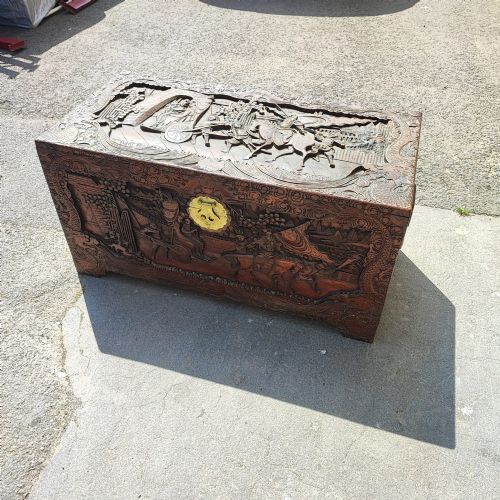
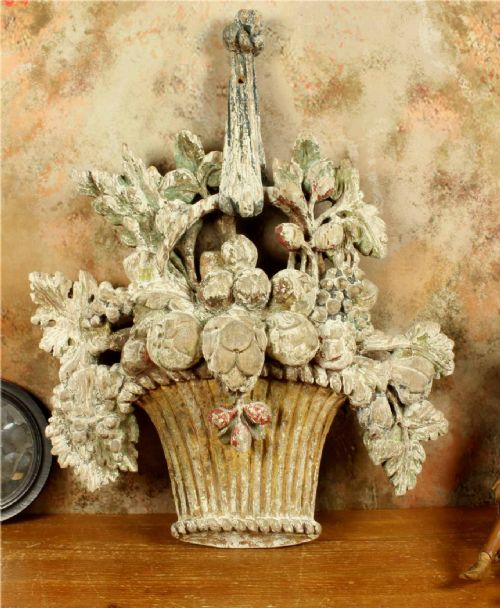
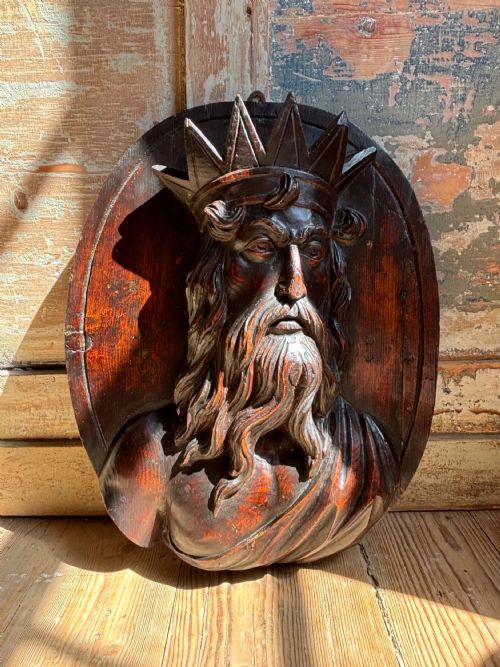
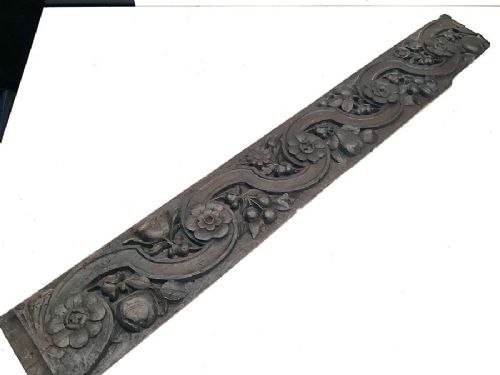
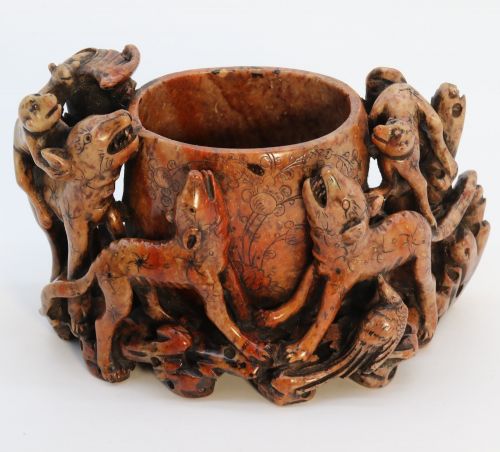
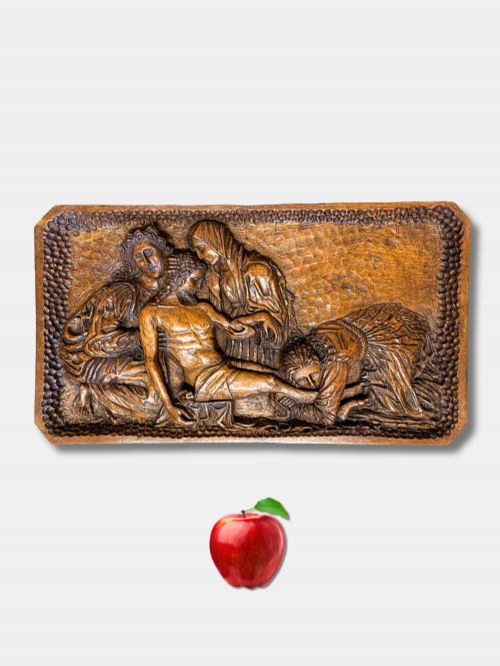
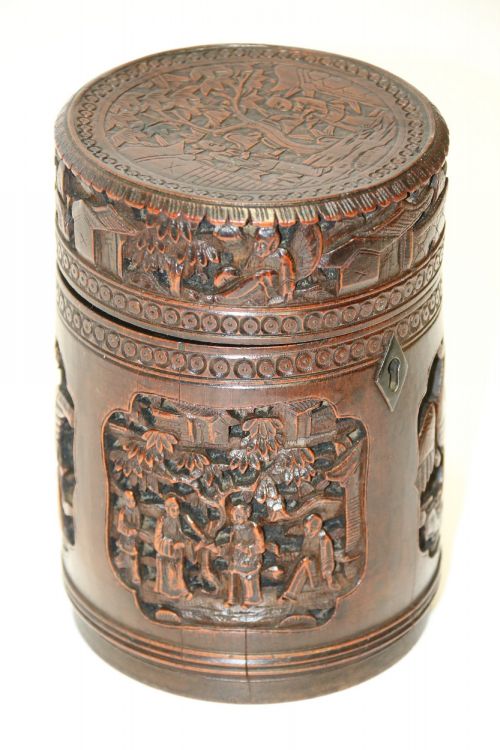
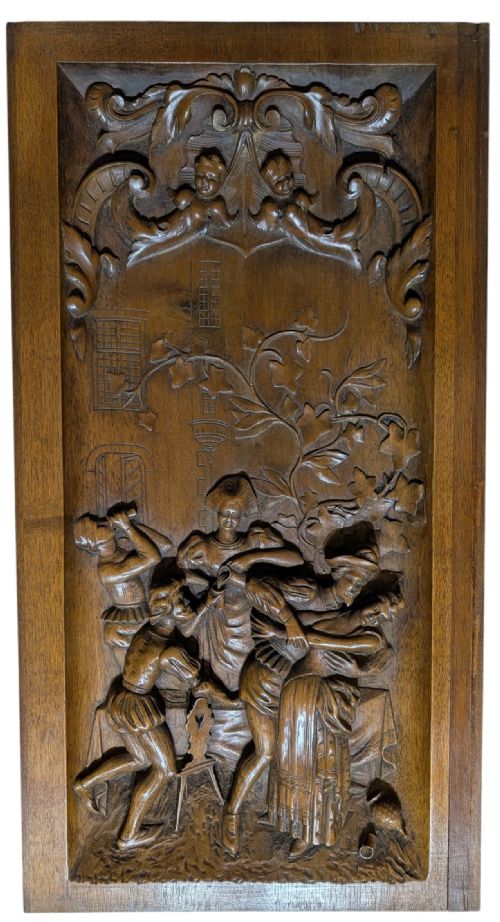
When you search for hand carved relief, you encounter architectural fragments, wall panels, and decorative objects drawn from centuries of woodwork. The selection spans structural oak ceiling bosses, camphor trunks, and intricate temple panels produced across diverse global traditions.
Oak panels from the seventeenth and eighteenth centuries sit alongside nineteenth-century Chinese export trunks and European wall plaques. These items reflect traditional craftsmanship where makers carved directly into timber or applied relief techniques to furniture and architectural salvage.
How they were made
Artisans shaped these works using hardwoods such as oak, walnut, teak, and camphor wood, employing chisels and gouges to cut deep pictorial scenes or geometric motifs. The natural grain of the timber guided the depth of the carving, allowing figures and foliage to project outward from a flat ground.
Some items incorporate gilding, lacquering, or brass fittings to complement the wooden substrate, while others rely entirely on the monochromatic texture of the carved surface. Makers utilised seasoned timber to prevent splitting, ensuring the three-dimensional detail remained stable over generations.
Hand Carved Relief Retail Price Guide 2026
Typical asking prices for hand carved relief among the pieces listed under this phrase on Sellingantiques today, from the lower quarter to the upper quarter. They describe what is for sale here now, not the wider market.
Geographic origins range from traditional Chinese export workshops to British, French, and Italian domestic furniture.
What varies in quality
The choice of material also dictates the character of the piece, with dense hardwoods holding crisp edges far longer than softer timbers. Integration between the carved relief and its structural backing indicates the skill of the original workshop.
The Hand Carved Relief Glossary
- Relief
- Sculpture where figures project from a flat background. High relief involves figures standing far out from the plane, while low relief stays closer to the surface.
- Ceiling boss
- A decorative projecting block placed at the intersection of ribs in a vaulted ceiling. These wooden carvings often display floral or figural motifs.
- Camphor wood
- An aromatic hardwood utilised for storage chests and trunks. Its natural scent repels insects and protects textiles stored within.
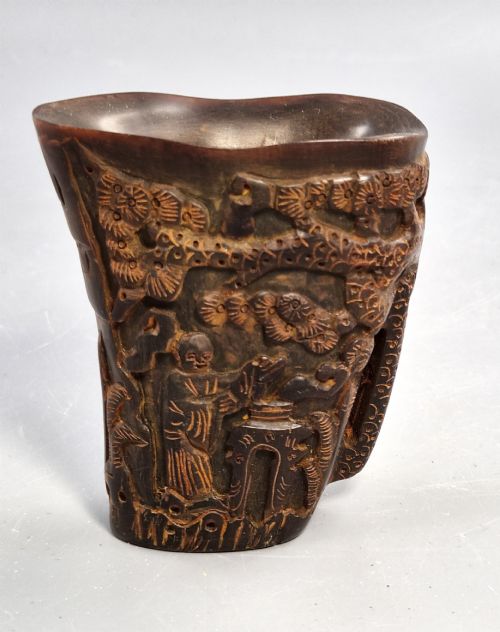
- Libation cup
- A ceremonial vessel used for pouring liquids, frequently carved from horn, jade, or wood with detailed figural scenes.
- Architectural salvage
- Elements rescued from older buildings prior to demolition. These fragments include friezes, panels, and carved brackets.
Hand Carved Relief: Frequently Asked Questions
How do I hang a heavy wooden panel?
Heavy carved panels require secure wall anchoring into studs or masonry using appropriate metal brackets. Distributing the weight evenly prevents stress fractures in aged timber.
Professional installation is advisable for large architectural fragments to ensure structural safety.
How should I clean carved wood?
Dust carved surfaces gently with a soft, dry brush to reach into deep recesses without abrading the fibres. Avoid liquid cleaners and polishes that build up within the carved details.
Maintaining a stable indoor humidity prevents the timber from drying out and cracking.
What is the difference between a panel and a plaque?
Panels generally formed part of a larger structure, such as furniture, wainscoting, or a ceiling, serving an integrated architectural purpose. Plaques are standalone decorative items intended specifically for display on a wall.
Both utilise similar carving techniques but differ in their original placement.
Can camphor wood chests be placed in modern rooms?
Camphor trunks function well as coffee tables or storage furniture in contemporary spaces. Their distinct grain and carved panels add warmth and texture to neutral interiors.
The aromatic scent of the wood also seasons the room naturally.