



Hand Carved Marble
These hand carved marble items bring heavy geological weight and patient chisel work straight into a room.
Hand Carved Marble
When you search for hand carved marble, you encounter objects shaped by hand from dense mineral blocks across the eighteenth and nineteenth centuries. These pieces cross continents, bridging European drawing rooms and Asian temple traditions.
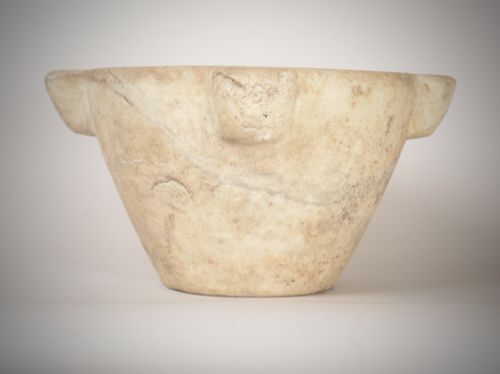
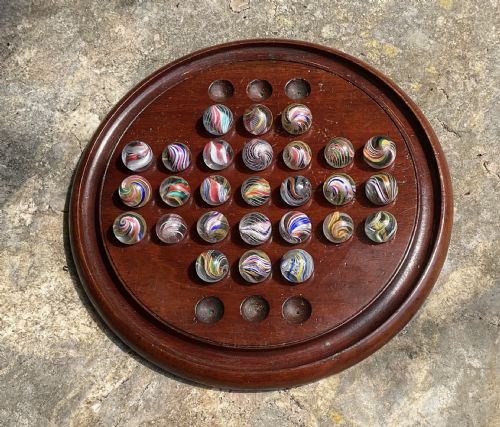
The selection on this page leans heavily toward nineteenth century examples, spanning French neoclassical consoles, Burmese temple statues, and Chinese side tables. Forms range widely from utilitarian kitchenware like large mortars to decorative chambersticks and solitaire boards.
You will also find figurative works, including alabaster sculptures of young lovers and stone religious figures. Secondary materials such as rosewood, mahogany, oak, and granite frequently accompany the primary stone elements in tables and stands.
How they were made
Makers shaped these pieces from solid blocks of marble, stone, and alabaster using hand chisels and abrasive grinding powders. Statues and figures emerged through meticulous reduction of the mineral mass to capture drapery and facial expression.
Furniture makers combined carved stone and granite tops with sturdy timber frames in rosewood, mahogany, and oak. Joinery techniques secured heavy stone inserts safely within wooden surrounds for tables and games boards.
Detailed finishing involved smoothing and polishing the stone surfaces to reveal natural veining and crystalline structures. Subsidiary materials like glass and soapstone appeared in specific desk accessories and smaller decorative objects.
Hand Carved Marble Retail Price Guide 2026
Typical asking prices for hand carved marble among the pieces listed under this phrase on Sellingantiques today, from the lower quarter to the upper quarter. They describe what is for sale here now, not the wider market.
The listings here feature nineteenth century items incorporating marble, stone, alabaster, rosewood, and oak across French and Asian styles.
What varies in quality
Quality rests upon the ambition of the carving and the dexterity shown in rendering human figures, foliage, or architectural mouldings. Softer stones like alabaster reveal fine detail clearly, whilst hard marbles demand immense patience from the carver.
The integration between stone tops and wooden bases dictates the success of mixed material furniture pieces. Well-balanced proportions and harmonious pairing of dense minerals with quality timber define the superior examples.
The Hand Carved Marble Glossary
- Alabaster
- A fine-grained, translucent stone often used for detailed nineteenth century sculpture and decorative vessels. It accepts delicate chisel work readily.
- Grand Tour
- A nineteenth century cultural journey through Europe that produced souvenir items like marble chambersticks and architectural models. These objects commemorated travels abroad.
- Mandalay Period
- A nineteenth century Burmese stylistic era known for serene white marble Buddha temple statues. These works reflect traditional regional iconography.
- Solitaire board
- A tabletop game board, often made of mahogany, designed for a single player using marbles. They frequently feature turned wooden rims and fitted cups for glass spheres.
- Soapstone
- A talc-schist stone that feels soapy to the touch and carves easily into intricate desk seals and figures. It takes a smooth polish.
Hand Carved Marble: Frequently Asked Questions
What is a hand carved marble mortar used for?
Large stone mortars served as heavy kitchenware for crushing culinary ingredients and dry goods in domestic settings.
Their solid weight kept the vessels stable during vigorous pounding with pestles.
How do you date nineteenth century alabaster sculptures?
Dating relies on stylistic clues, costume details, and the specific softer mineral composition typical of the period.
French works from around nineteen ten often show distinct romantic figurative trends.
Where were Grand Tour marble items made?
Grand Tour pieces were produced across Italy and France as souvenirs for wealthy travellers exploring classical sites.
They captured antique architectural forms in miniature stone and marble formats.
How should I clean marble furniture?
Care involves dusting gently with a dry cloth and avoiding acidic cleaners that etch the polished stone surface.
Wooden frames accompanying the stone require appropriate wax treatments suited to mahogany or rosewood.