




Hand Blown Jar
These hand blown jar examples offer tactile weight and irregular charm, drawing eyes through bubbles, pontil marks and historic utility.
Hand Blown Jar
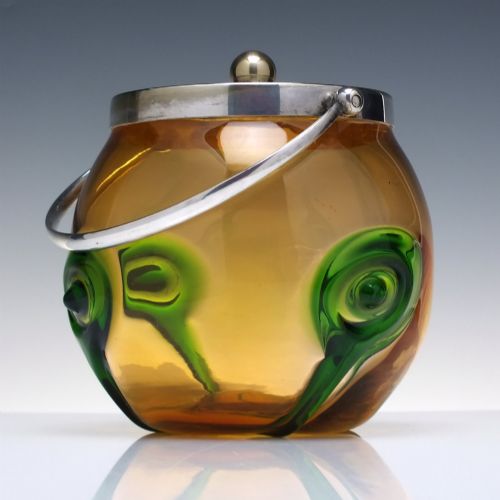
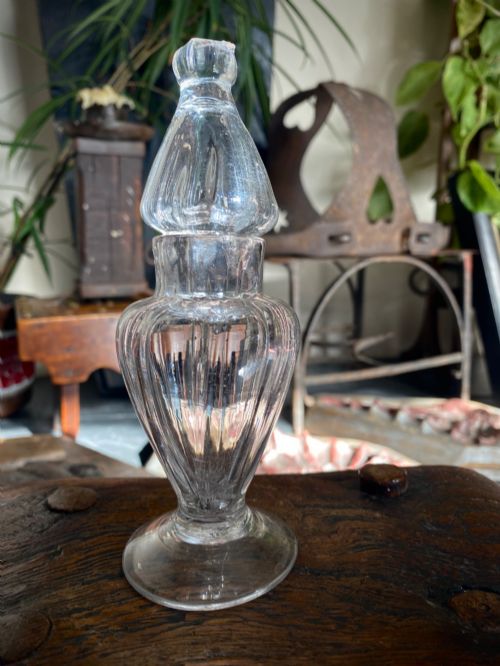
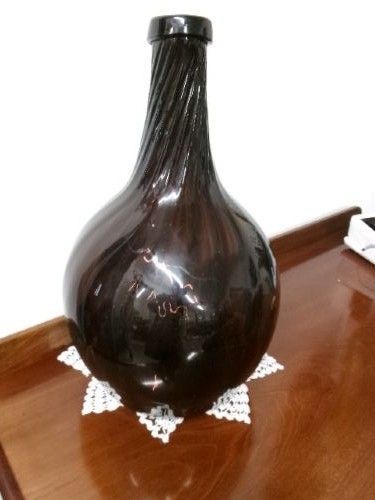
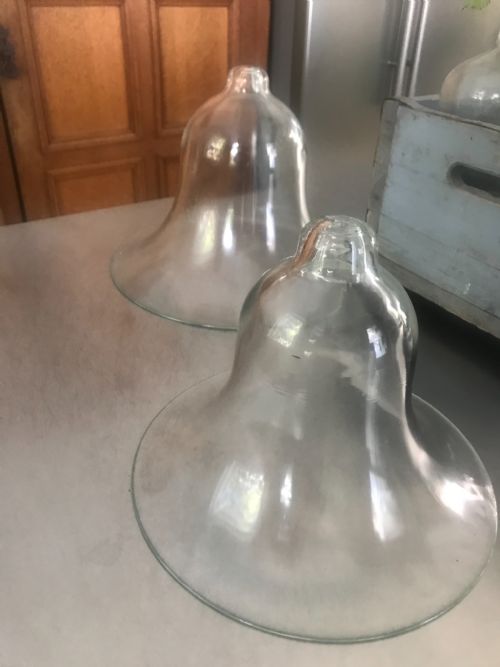
When you search for hand blown jar, you encounter utilitarian and decorative vessels shaped by breath and iron across centuries. These range from 18th-century pickling containers and Georgian apothecary bottles to Victorian display cloches and 20th-century demi-johns.
The most common examples on this page date from the 18th and 19th centuries, reflecting a heritage of apothecary storage and domestic provisioning. Such pieces bring organic asymmetry and deep colouration to modern interiors.
Forms span simple storage jars, lidded biscuit containers, and heavy carboys designed for liquid storage. Each object bears the physical evidence of its original trade or household purpose.
How they were made
Glassmakers gathered molten metal on a blowpipe and inflated it into shape, often utilising simple moulds or free-blowing techniques. The resulting bodies display varied wall thickness, trapped air bubbles, and swirling surface textures.
Pontil marks on the base reveal where the vessel was snapped from the iron rod and ground down afterward. Lead glass and coloured varieties, such as amethyst and cranberry, required specific mineral oxides added to the molten batch.
Hand Blown Jar Retail Price Guide 2026
Typical asking prices for hand blown jar among the pieces listed under this phrase on Sellingantiques today, from the lower quarter to the upper quarter. They describe what is for sale here now, not the wider market.
Current listings span the 18th century through the 1920s, featuring clear glass, lead glass, and amethyst variants.
What varies in quality
Quality rests in the character of the metal and the integrity of the form rather than pristine uniformity. A well-balanced silhouette and deep, saturated colour elevate a piece above standard utilityware.
The prominence of natural imperfections like seed bubbles and gentle wave patterns distinguishes genuine mouth-blown work from later mechanical production. Retained original components, such as matching lids or stoppers, complete the integrity of the surviving object.
The Hand Blown Jar Glossary
- Pontil mark
- The rough scar left on the base of a blown vessel where the pontil rod was attached during manufacture. This is a primary indicator of traditional free-blown production.
- Lead glass
- Glass containing lead oxide, which increases brilliance, weight, and workability. It creates a resonant ring when tapped.
- Carboy
- A large, rigid glass bottle traditionally used for holding liquids such as wine or chemicals. They feature rounded bodies and heavy necks.
- Cloche
- A bell-shaped glass cover originally used in gardening to protect plants or indoors for food and displays. Examples range from Victorian domestic domes to French garden guards.
Hand Blown Jar: Frequently Asked Questions
How were old glass jars used?
These vessels served functional roles in apothecary shops, kitchens, and wine cellars for holding liquids, preserves, and dry goods.
Over time, many transitioned into decorative items or utilitarian garden protectors.
Are all hand blown jars antique?
The pieces span various periods, including 18th-century specimens and later 19th-century Victorian examples.
Production methods remained manual for generations, requiring careful inspection of wear and material to establish age.
How do I clean an old glass jar?
Gentle washing with warm water and mild soap preserves the delicate historic surface and interior residue.
Avoid abrasive tools that might scratch the soft, ancient metal.
Why do these jars have bubbles inside?
Air became trapped within the molten material during the historic glassblowing process.
These tiny pockets and swirls are characteristic of traditional hand-working techniques.