


Hallway Pendant Fixture
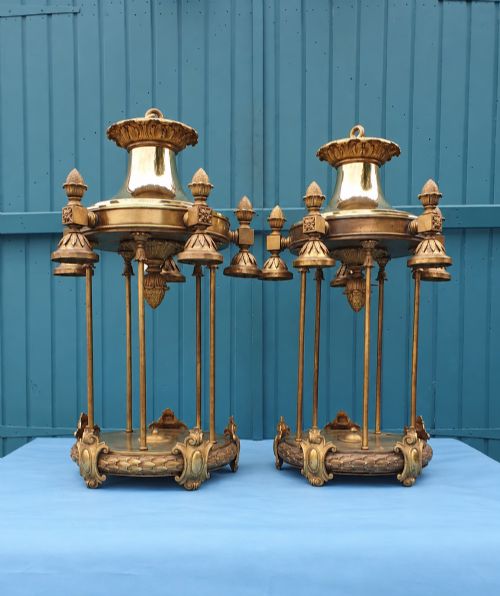
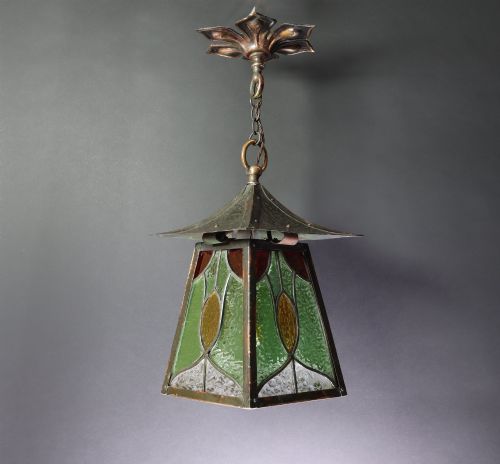
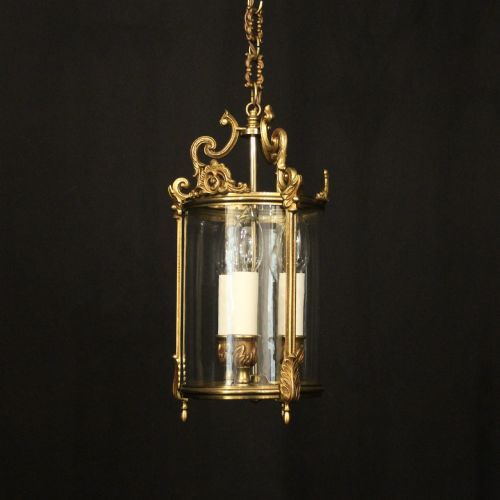
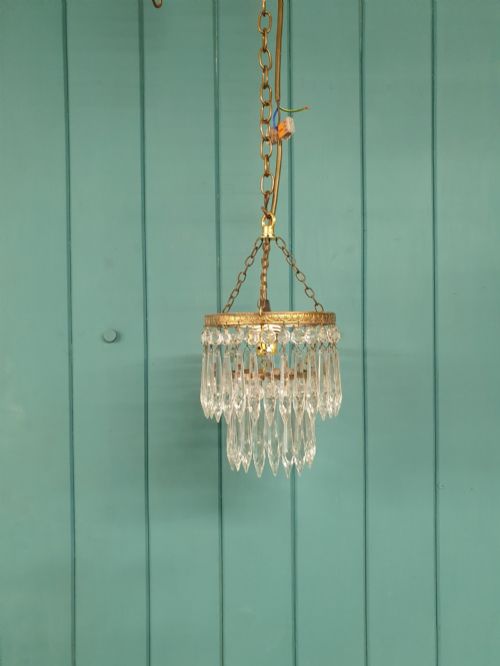
A hallway pendant fixture focuses light in tight spaces, offering brass lanterns, crystal bag chandeliers, and copper pendants from Victorian and Edwardian decades.
Hallway Pendant Fixture
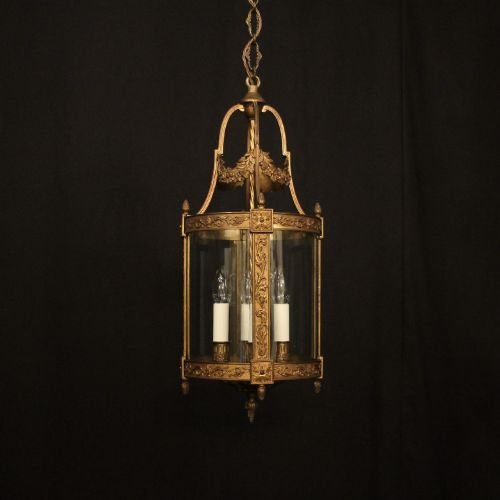
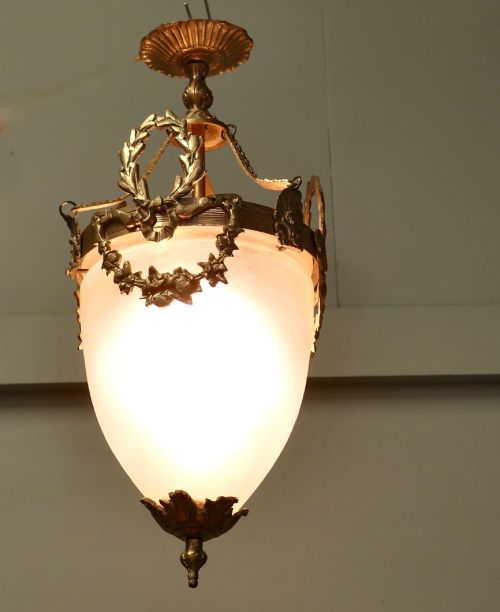
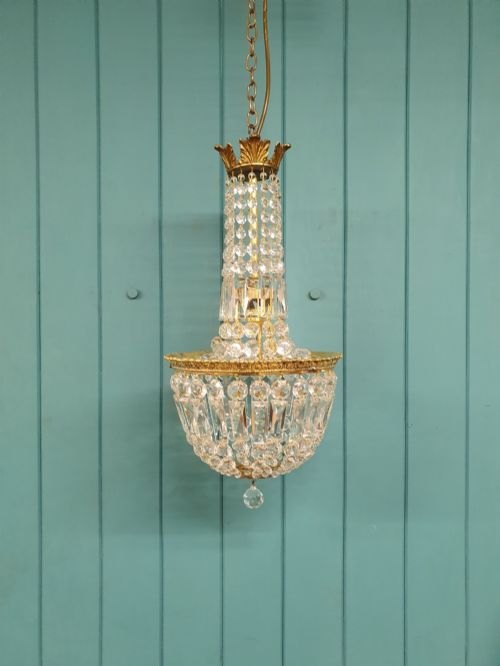
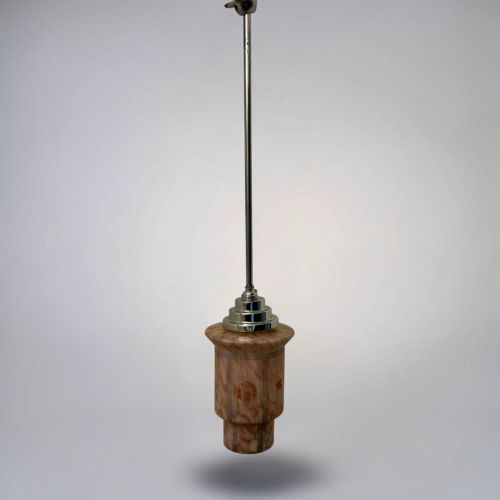
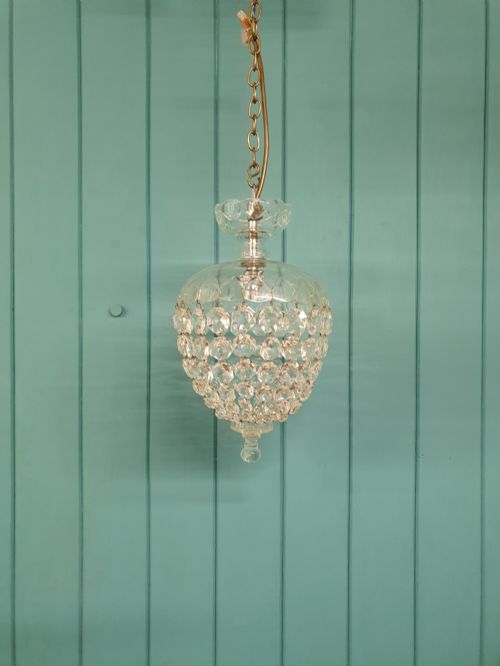
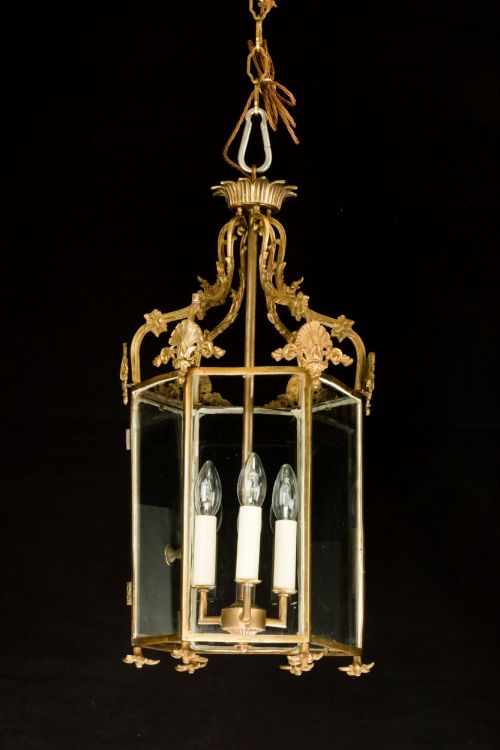
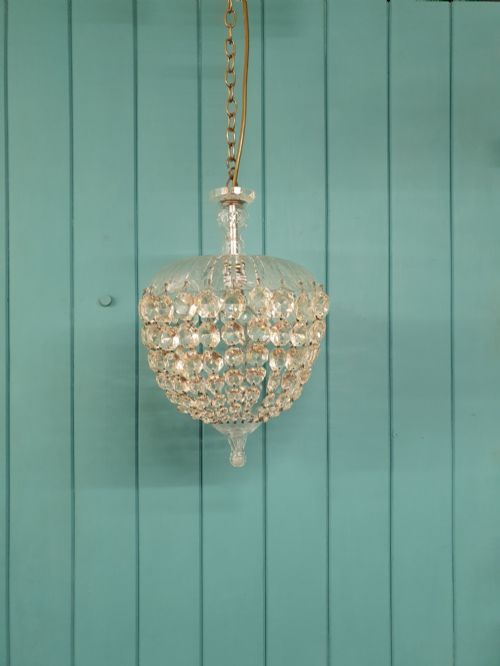
A hallway pendant fixture comprises hanging lanterns, bag chandeliers, and ceiling lights designed to illuminate narrow passages and vestibules. The pieces seen here span the Victorian, Edwardian, and Art Deco periods, alongside French styles such as Rococo, Regency, and Neoclassical Revival.
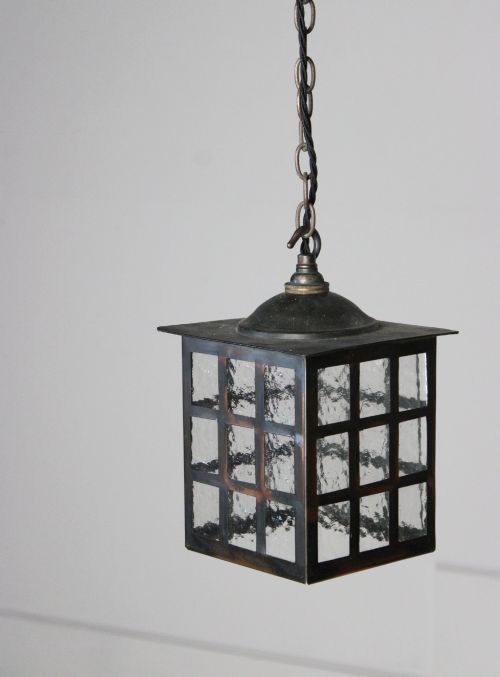
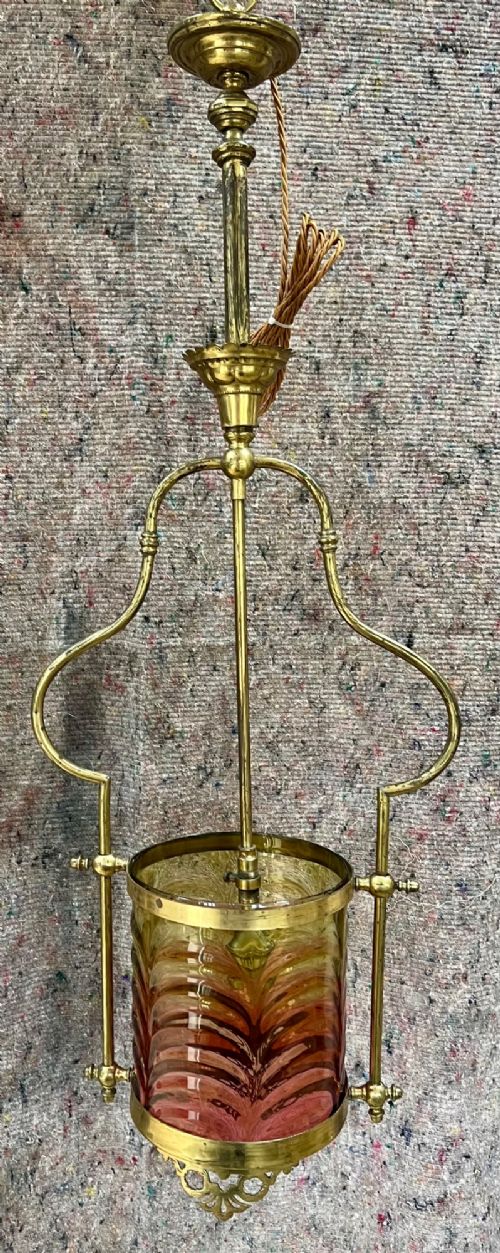
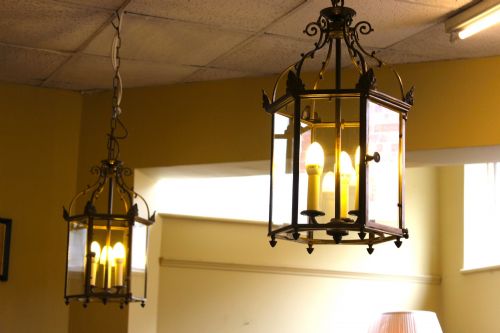
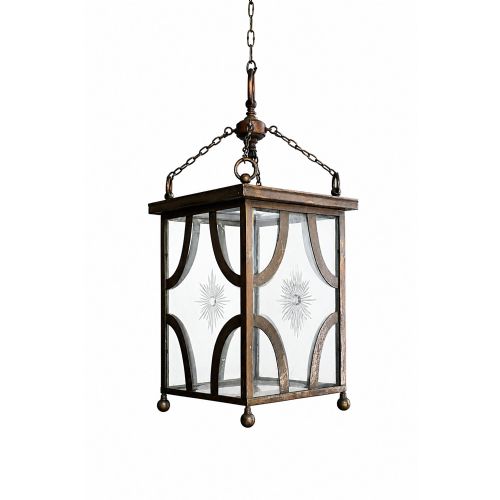
Brass lanterns and glass pendant lights dominate the selections on this page, originating mostly from the nineteenth and early twentieth centuries. Buyers frequently encounter hexagonal brass frames, dome-top chandeliers, and copper lanterns fitted with leaded or cut glass.
How they were made
Metalwork forms the skeletal structure of these fixtures, utilising cast and gilded bronze, brass, planished copper, steel, and chrome. Artisans shaped these metals into rigid frames, hexagonal lanterns, and decorative ceiling mounts.
Glass elements complete the construction, featuring hand-blown diamond-cut crystal, frosted opaline glass, leaded stained-glass panels, and cut glass spikes or beads. These glass components refract light through bevelled and patterned panes.
Hallway Pendant Fixture Retail Price Guide 2026
Typical asking prices for hallway pendant fixture among the pieces listed under this phrase on Sellingantiques today, from the lower quarter to the upper quarter. They describe what is for sale here now, not the wider market.
Some nineteenth-century hallway lanterns retain internal soot smudges from the days when candles flickered behind hand-blown glass.
What varies in quality
The precision of metalwork and casting defines the upper tier of these pieces, where chased bronze, heavy brass frames, and planished copper show deliberate hand-finishing rather than mass production. Lesser examples rely on thinner stamped metals and simpler joins.
The clarity and cut of the glass distinguish finer items, with deep diamond cutting and hand-blown crystal creating sharper refractions than standard moulded panes. Original mounts, matching sets of crystals, and intact leaded panels elevate the integrity of a fixture.
The Hallway Pendant Fixture Glossary
- Bag chandelier
- A light fixture featuring a rounded or basket-shaped lower section composed of glass drops or beads suspended from a metal frame. This form scatters illumination widely in compact areas.
- Hall lantern
- An enclosed hanging light, often hexagonal or square, designed to protect candles or bulbs from drafts in corridors. They frequently combine brass frames with glass panels.
- Planished copper
- Metal surface treated with light hammer blows to create a textured, faceted finish. This technique appears primarily in Arts and Crafts pieces.
- Opaline glass
- A semi-translucent white glass that diffuses light evenly without harsh glare. It gained popularity during the nineteenth and early twentieth centuries for pendant fittings.
- Cut glass
- Glass decorated by grinding facets or patterns into the surface using a rotating wheel. This process enhances the sparkle of chandeliers and bell jar lanterns.
Hallway Pendant Fixture: Frequently Asked Questions
What is a hallway pendant fixture?
A hallway pendant fixture is a hanging light designed specifically for narrow circulation spaces like corridors, vestibules, and entrance halls. These pieces range from enclosed brass lanterns to crystal bag chandeliers.
They provide focused downward illumination while serving as a decorative focal point upon entering a home. The forms include bell jar lanterns, dome-top chandeliers, and multi-light fixtures.
How do I date an antique pendant light?
Dating involves examining the combination of materials, construction methods, and prevailing decorative styles. Victorian and Edwardian pieces often utilise heavy brass, hand-blown glass, and specific candle-to-electric conversion wiring.
Later items from the 1920s and 1930s incorporate Art Deco geometric lines, steel frames, or chrome finishes. Comparing the metal patina and glass cutting styles helps narrow the production era.
Were these fixtures originally lit by candles?
Earlier lanterns and chandeliers from the nineteenth century were designed to burn wax candles or oil before later being electrified. Many surviving pieces retain traces of this transition in their interior socket assemblies.
Lanterns often featured internal candle cups or trays to catch wax drips inside the glass panels. Subsequent rewiring allows modern use while preserving the historic metal framework.
How do I choose the right size for my hallway?
Selecting the correct scale depends on the ceiling height and the width of the hallway or entryway. Larger spaces accommodate pair lanterns or multi-tier chandeliers, whereas compact corridors suit single dome-top lights.
Clearance is essential so that tall visitors pass underneath comfortably without obstruction. Proportion between the drop length and the overall volume of the space guides the selection.