

Hallway Lighting Fixture
A proper hallway lighting fixture sets the tone for an entire interior, combining practical illumination with striking period design.
Hallway Lighting Fixture
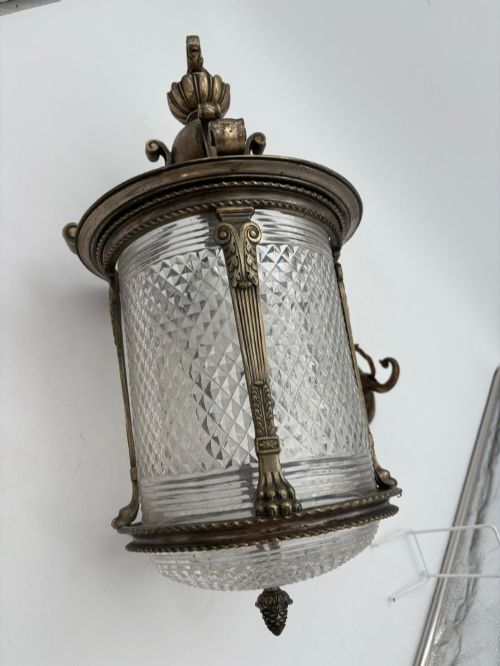
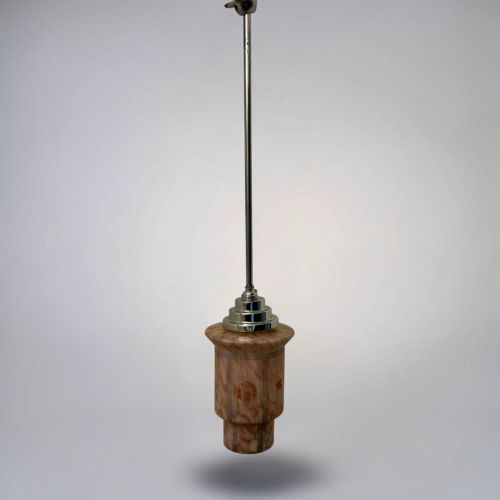
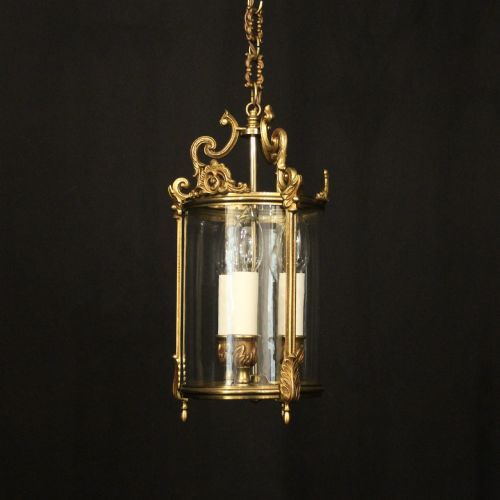
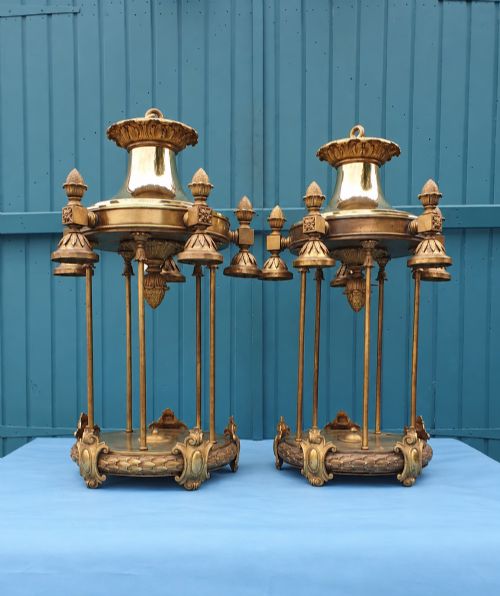
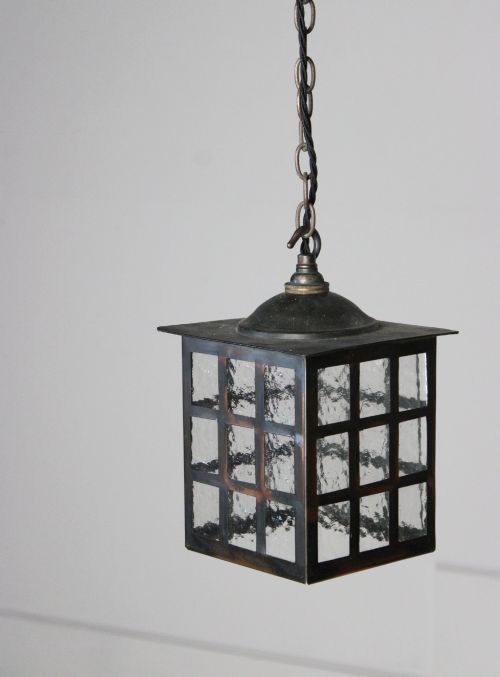
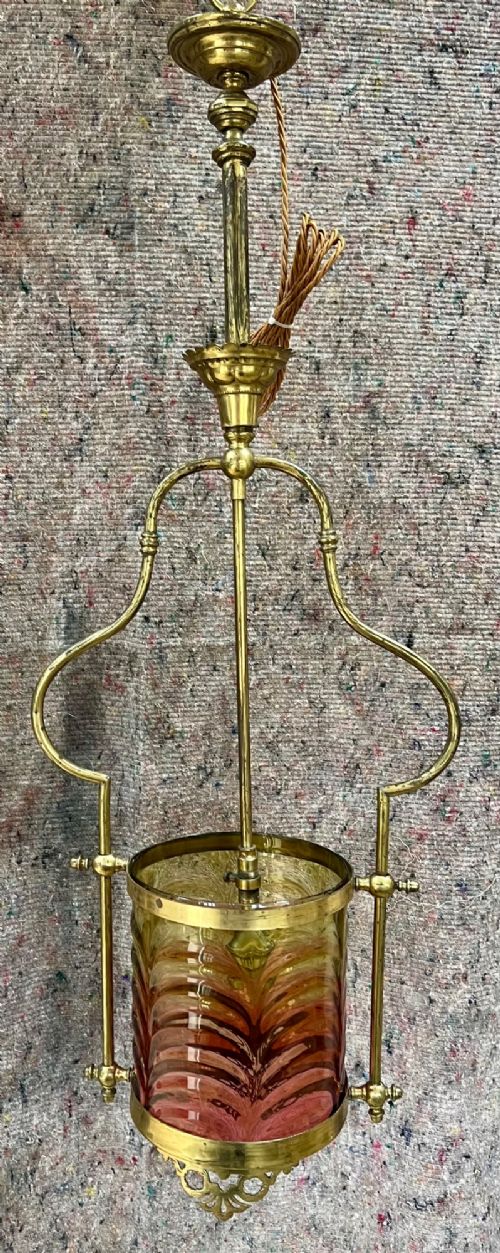
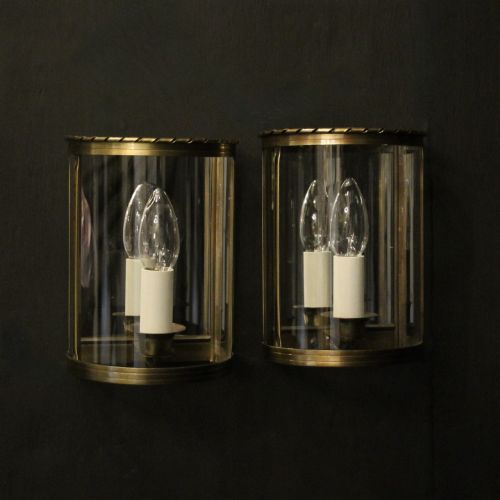
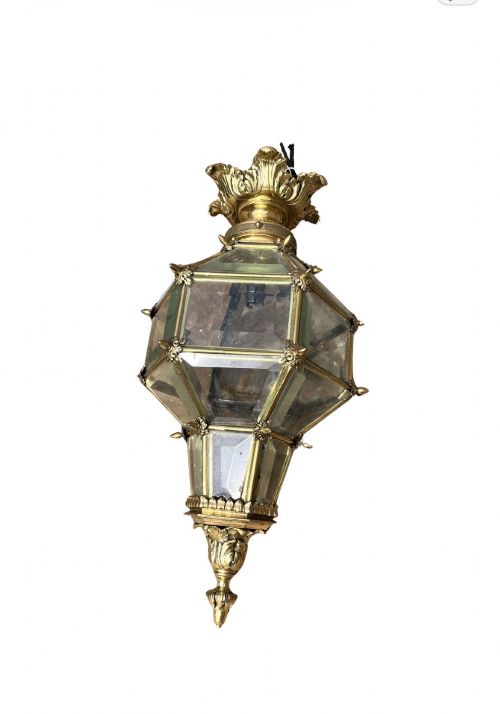
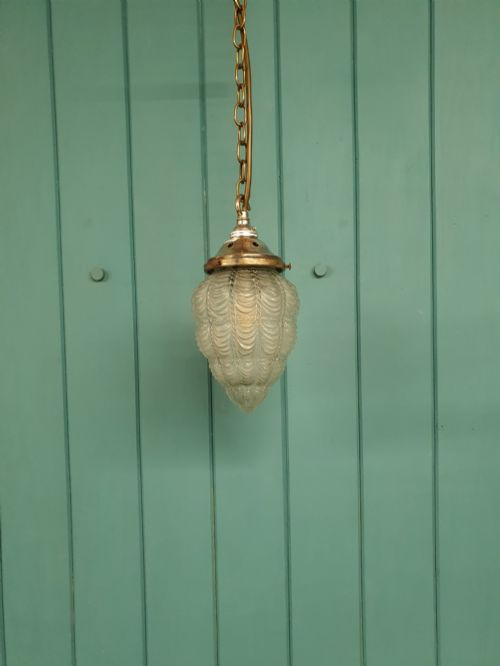
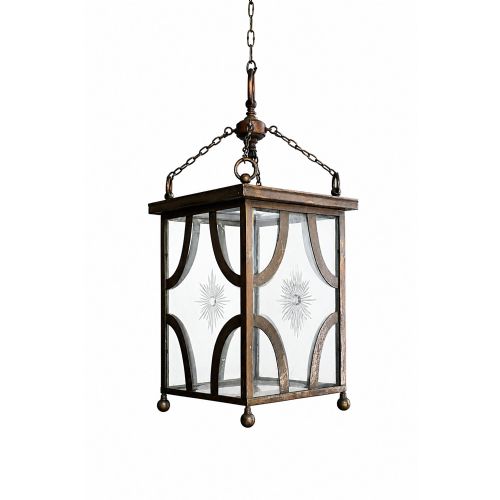
A hallway lighting fixture encompasses hanging lanterns, bag chandeliers, pendants, and wall lights designed specifically for entrance spaces and corridors. These pieces span periods from the Victorian era through the Edwardian decades up to 1930, capturing stylistic influences from French Chateau to Art Deco.
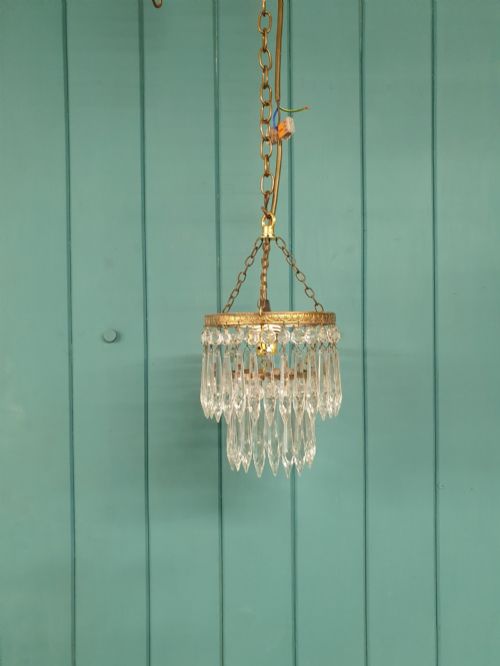
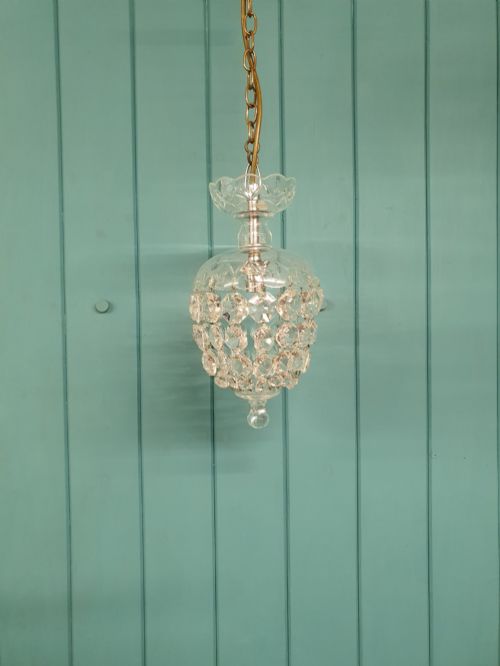
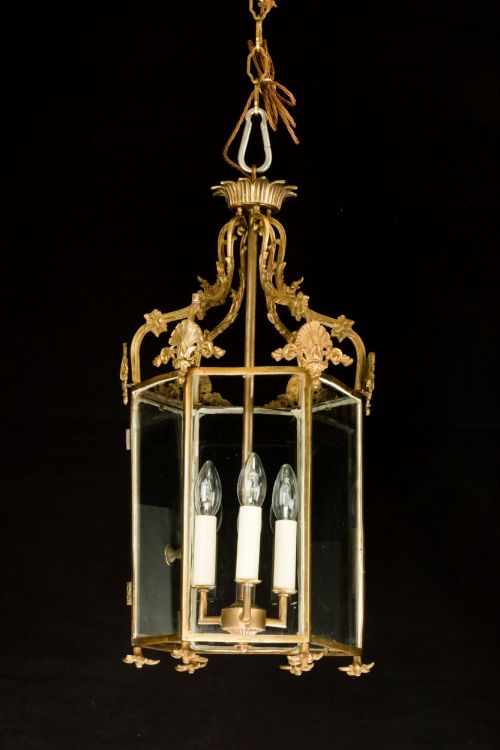
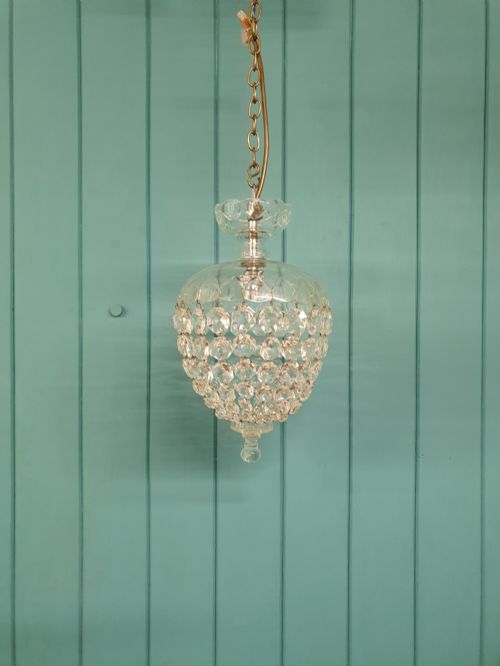
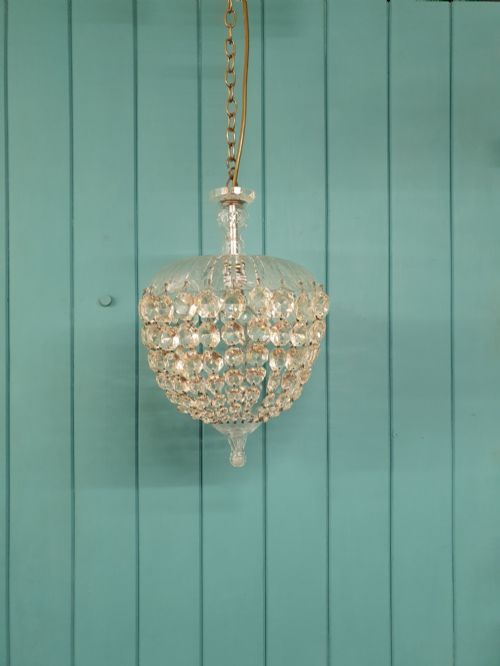
The most common versions met on this page are brass and copper hall lanterns alongside compact crystal and cut glass chandeliers. Many pieces originate from French workshops or reflect English period preferences, utilising enclosed metal frames or dangling glass drops to catch the light.
Materials and construction techniques
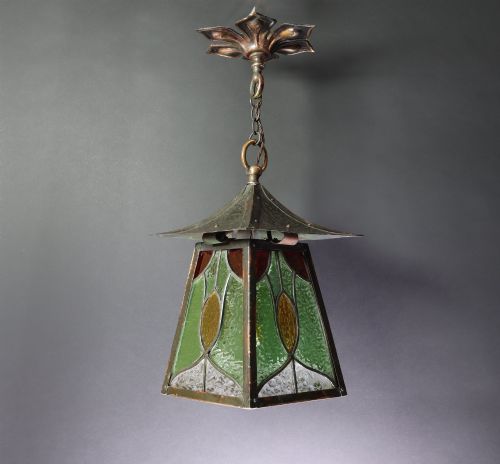
Makers constructed these fixtures using robust metals such as brass, copper, steel, and bronze, often finished with gilding or planished surface textures. Lanterns frequently incorporated panels of clear glass, cut glass, opaline, or leaded stained glass.
Chandeliers and hanging lights relied on intricate arrangements of crystal spikes, glass beads, and cut glass drops suspended from metal frames. Many examples from the nineteenth century onward were subsequently adapted or rewired for electric illumination while retaining their original metalwork.
Hallway Lighting Fixture Retail Price Guide 2026
Typical asking prices for hallway lighting fixture among the pieces listed under this phrase on Sellingantiques today, from the lower quarter to the upper quarter. They describe what is for sale here now, not the wider market.
Design influences span across French Rococo, Art Deco, Neoclassical Revival, and Arts and Crafts aesthetics.
Distinctions in quality
The standard of a fixture rests upon the weight and finish of its metal framework, from cast bronze and gilded mounts to hand-planished copper. Superior examples display crisp casting details, substantial gauge metals, and heavy glass components rather than thin stamped sheet metal.
Design integrity and proportion also separate exceptional pieces from simpler utilitarian designs. Original cut glass crystals, complete beaded fringes, and well-executed French or Arts and Crafts styling elevate the overall presence of the fixture.
The Hallway Lighting Fixture Glossary
- Hall lantern
- An enclosed hanging light fixture, typically framed in brass, copper, or bronze with glass panels, designed to illuminate entryways.
- Bag chandelier
- A specific style of light fixture featuring a flat top and a tapering, bag-shaped basket constructed from dense glass beads and drops.
- Planished copper
- Metal surface treated with a hammer to create a textured, light-reflecting finish characteristic of the Arts and Crafts movement.
- Opaline
- A type of semi-translucent milky glass used in pendants and shades to diffuse light softly.
Hallway Lighting Fixture: Frequently Asked Questions
How do I choose the right size fixture for my hall?
Consider both the ceiling height and the floor area of the corridor before selecting a piece. Taller spaces accommodate grander multi-tier chandeliers or very tall lanterns.
Compact rooms benefit from small bag chandeliers or flush-hanging dome top pendants that do not obstruct passage.
Are these antique fixtures wired for modern electricity?
Many period fixtures arrive rewired or prepared for standard contemporary electrical installations. It is advisable to consult a qualified electrician to ensure safe fitting.
Original components such as candle sockets are frequently adapted to house concealed modern bulbs.
What periods do these hallway lights represent?
The selection spans from Victorian and Edwardian pieces through the 1920s and 1930s. Styles range from classical French designs to utilitarian Arts and Crafts metalwork.
Earlier nineteenth-century examples often trace their origins to candle-lit prototypes later converted to gas or electricity.
How do I clean a crystal and glass chandelier?
Careful maintenance involves dusting glass drops and beads regularly with a soft cloth. For deeper cleaning, specialised non-drip glass cleaner applied gently preserves the metalwork.
Removing delicate cut glass elements should be done with patience to avoid disturbing fragile wire fixings.