

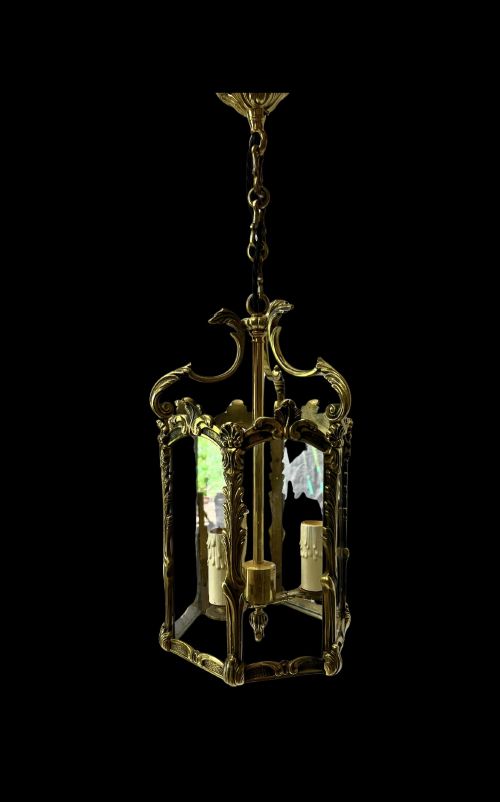


Hallway Lantern Fixture
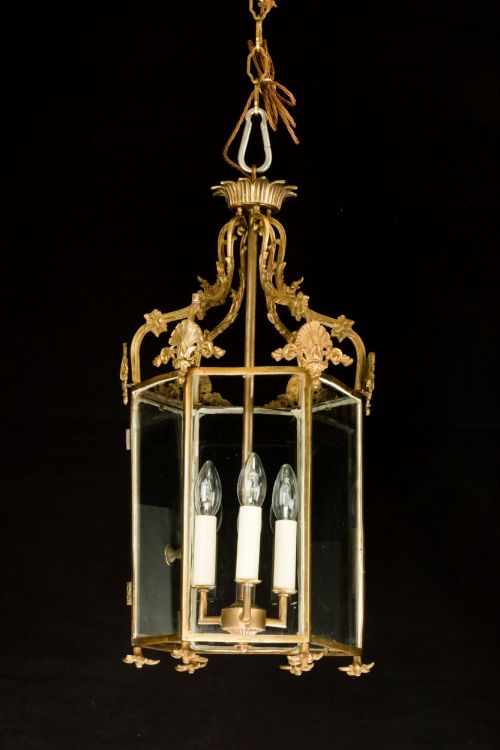
A hallway lantern fixture meets you at the door, casting warm light through glass and metal panels.
Hallway Lantern Fixture
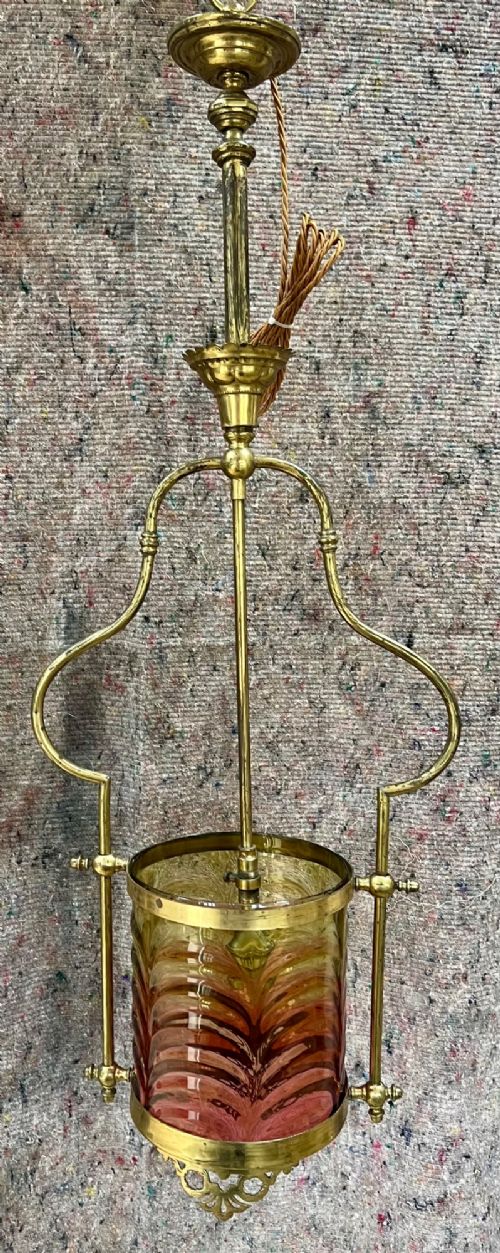
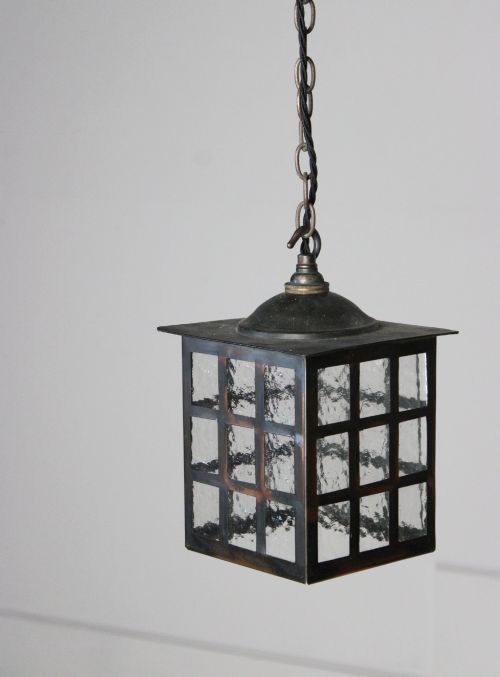
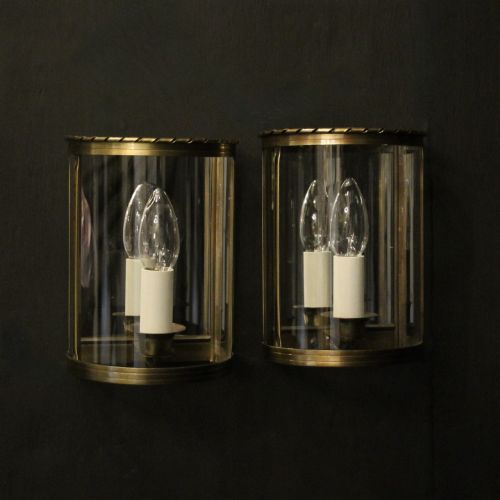
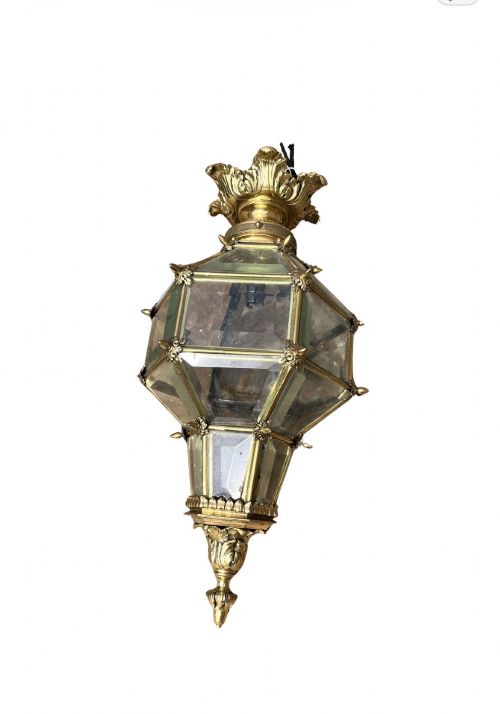
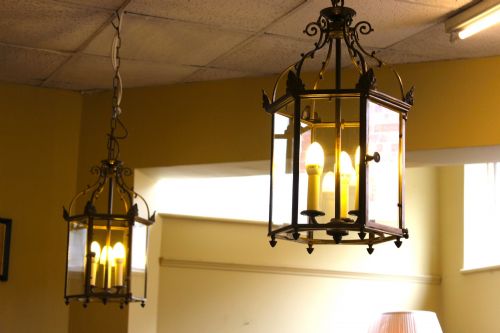
A hallway lantern fixture hangs from ceilings or mounts to walls to illuminate entrance spaces and corridors. When you search for a hallway lantern fixture, you encounter hanging pendants, ceiling mounts, and wall sconces designed to greet visitors.
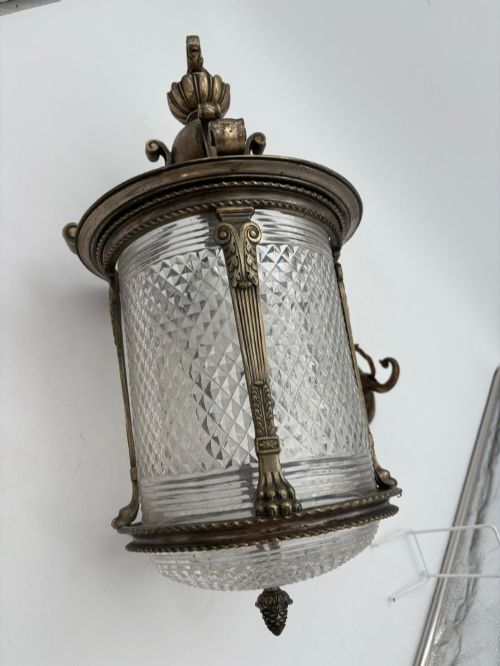
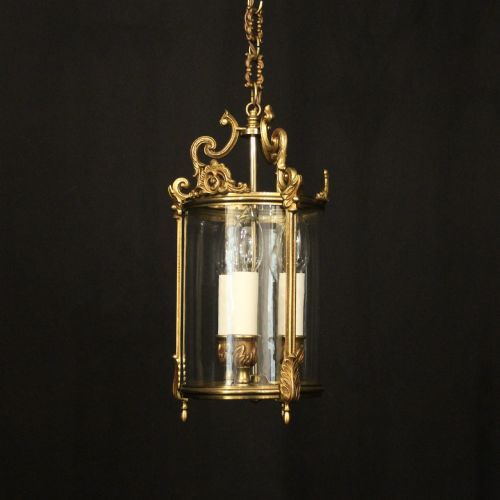
The selections span from the nineteenth century through the nineteen-thirties, encompassing Victorian, Edwardian, Art Deco, and Arts and Crafts designs. French styles feature heavily among the pieces, alongside English examples.
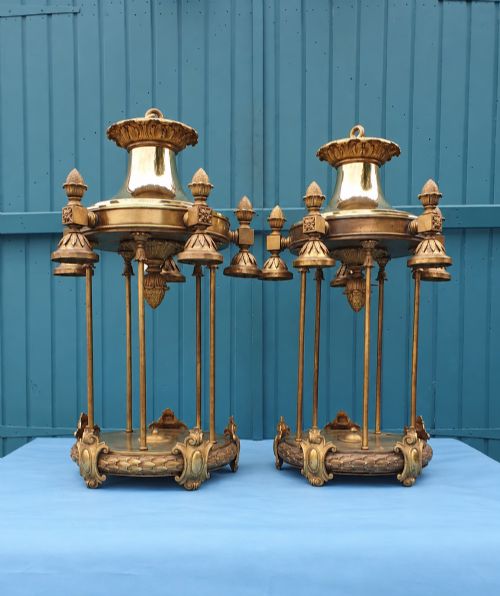
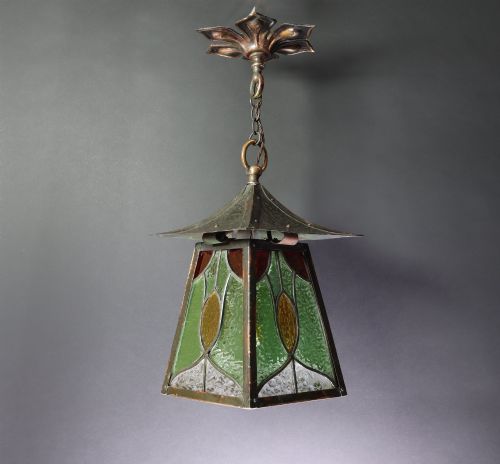
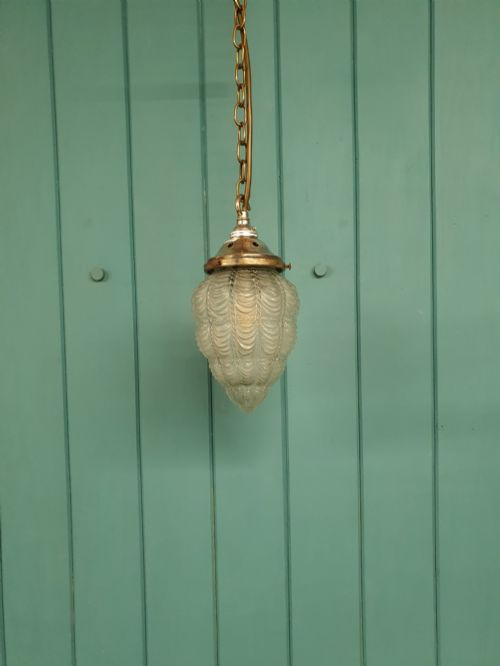
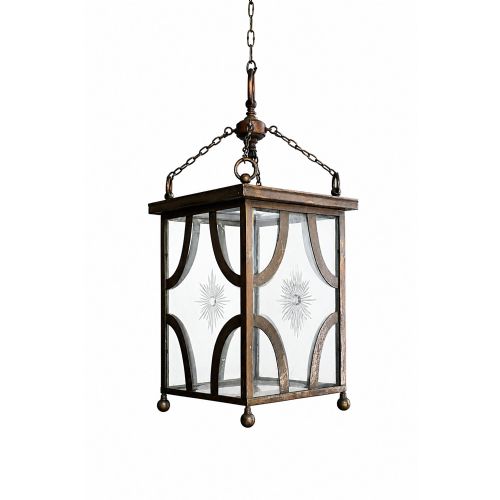
Brass, copper, bronze, and steel form the main bodies of these pieces, paired with plain, cut, frosted, or stained glass panes. Most examples suspend from chains or brackets as pendants or ceiling lights.
How they were made
Makers constructed these fixtures using cast or sheet brass, copper, bronze, and steel to form the rigid frames. Workers soldered or riveted metal sections together to hold glass panels securely.
Glaziers cut, frosted, stained, or hand-blew the glass panes fitted into the metal structures. Some panels received leaded came work or diamond cutting to diffuse the interior light.
Hallway Lantern Fixture Retail Price Guide 2026
Typical asking prices for hallway lantern fixture among the pieces listed under this phrase on Sellingantiques today, from the lower quarter to the upper quarter. They describe what is for sale here now, not the wider market.
Listings feature brass, copper, bronze, and steel frames combined with cut, frosted, and stained glass across Edwardian, Victorian, and Art Deco periods.
What varies in quality
The weight and gauge of the metal framework determine the structural integrity and presence of a fixture. Heavier brass, bronze, and copper castings hold their geometry better over decades of use.
The complexity of the glass work and metal ornamentation separates standard production from finer pieces. Hand-cut crystal, stained glass, and intricate gilt or polychrome toleware finishes indicate higher workmanship.
F And C Osler
The Hallway Lantern Fixture Glossary
- Toleware
- Painted or lacquered sheet metal items often finished in colours or gilt. This technique creates decorative surfaces on French lanterns.
- Convex
- Curved outward in a rounded shape. Convex glass panels in a lantern disperse light across a wider angle.
- Arts and Crafts
- A design movement favouring honest construction and hand-worked materials. Pieces from this style display visible fixings and solid metals.
- Came
- A slender grooved strip of lead used to hold pieces of stained or clear glass together. Leaded came work appears on porch and hall lanterns.
- Gilt
- A thin layer of gold applied to the surface of bronze or metal work. Gilded finishes add richness to nineteenth-century French fixtures.
Hallway Lantern Fixture: Frequently Asked Questions
How do I choose the right size?
Measure your ceiling height and hallway width before selecting a hanging fixture. Larger spaces accommodate expansive bronze or brass lanterns, whilst modest corridors require compact pendant lights.
Ensure adequate clearance beneath the lowest point of the hanging light for people walking underneath.
Were these lights originally electrified?
Many nineteenth-century and early twentieth-century fixtures began as candle or gas lamps. Artisans later adapted them to electricity while retaining the original metal and glass frames.
Rewired fixtures integrate modern internal components safely inside antique housings.
How do I identify an Edwardian lantern?
Edwardian pieces often feature copper or brass frames with frosted or clear glass panels. They balance decorative detail with functional domestic lighting.
Look for rounded or hexagonal shapes typical of the early twentieth century.
Can I hang these outdoors?
Porch lanterns and exterior fixtures utilise robust metals like copper and bronze that withstand sheltered outdoor conditions. Indoor hallway lanterns suit interior corridors and entrance halls best.
Check the specific rating and weather resistance of a piece before exterior installation.